Audit culture: The dehumanization of education

Audit culture: The dehumanization of education

Author: Ethical Schools August 13, 2020 Duration: 58:57

World renowned educational consultant Bill Stroud talks about schooling within our capitalist culture and the impact that on-line learning will have on teachers’ autonomy and teacher-student relationships. He discusses similarities and differences among classrooms in different countries, the potential impact of the Movement for Black Lives on schools, and what envisioning a different system of schools would look like.

Overview

00:00-00:45 Intros

00:46-02:52 Individual great schools will be anomalies without larger changes

02:53-05:50 A systemic culture of mistrust

05:51-11:23 Desegregation as a quality assurance step; impacts of segregation

11:24-13:29 Diversity of ideas as well as race/ethnicity

13:30-15:22 Local and national cultures’ impact on schools

15:23-17:04 Teacher dominated classrooms are the norm around the world

17:05-20:34 Different take-aways from education in the U.S. and in Thailand

20:35-23:56 Challenges sustaining schools with values that are different from the dominant culture

23:57-32:31 Impacts of technology and on-line learning

32:32-39:13 Free time, its uses and value; free time. class and race

39:13-43:40 Denmark: changes in daily school experiences during COVID-19

43:41-47:05 Potential effects of Movement for Black Lives on schools as systems and institutions

47:05-49:05 A vision for a movement to organize schools differently

49:66-52:20 Role of public education in creating an intelligent citizenry

52:21-57:35 Getting students invested in schooling; creating community

57:36-58:57 Outro


Transcription

Click here to see the full transcription of this episode. 


Conversations about education often focus on test scores and curriculum, but there’s a deeper layer that truly shapes a student’s experience. Ethical Schools digs into that layer, exploring what it means to build a learning community grounded in integrity and care. Each week, hosts Amy and Jon sit down with educators and innovators who are actively reimagining schools. You’ll hear specific, grounded discussions about the practical work of creating environments where every student feels safe and respected. The dialogue frequently addresses how to support young people dealing with trauma, moving beyond theory to share actionable strategies that teachers are using right now. More than just problem-solving, this podcast highlights how to empower students themselves to become advocates and changemakers in their own communities. It’s a series that connects philosophy with daily practice, looking at the social and cultural structures within schools through a lens of ethics. For anyone invested in the future of education-whether you’re a teacher, administrator, or simply a concerned community member-this podcast offers a thoughtful and necessary perspective on the foundational values that make education meaningful.
Author: Language: English Episodes: 240

Ethical Schools
Podcast Episodes
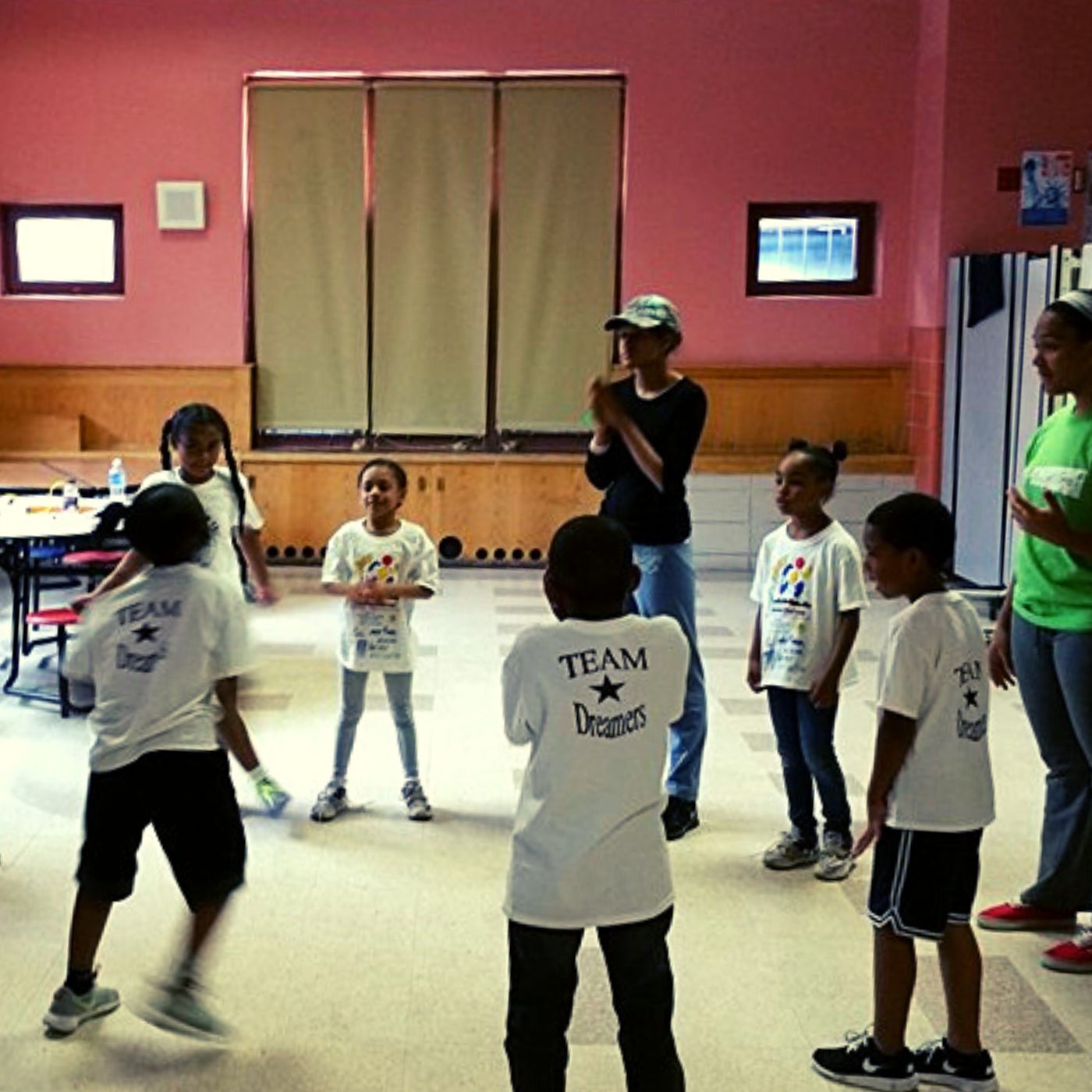
Cultivating layups, confidence, and community [not-audio_url] [/not-audio_url]

Duration: 31:31
We speak with Dave Crenshaw, founder and coach of Team Dreamers NY in Washington Heights; Blanca Battino, retired principal of PS 128; and Dr. Robert Fullilove, professor and associate dean at Columbia University’s Mailm…
Creating the conditions: Sustaining “caring for” education [not-audio_url] [/not-audio_url]

Duration: 35:55
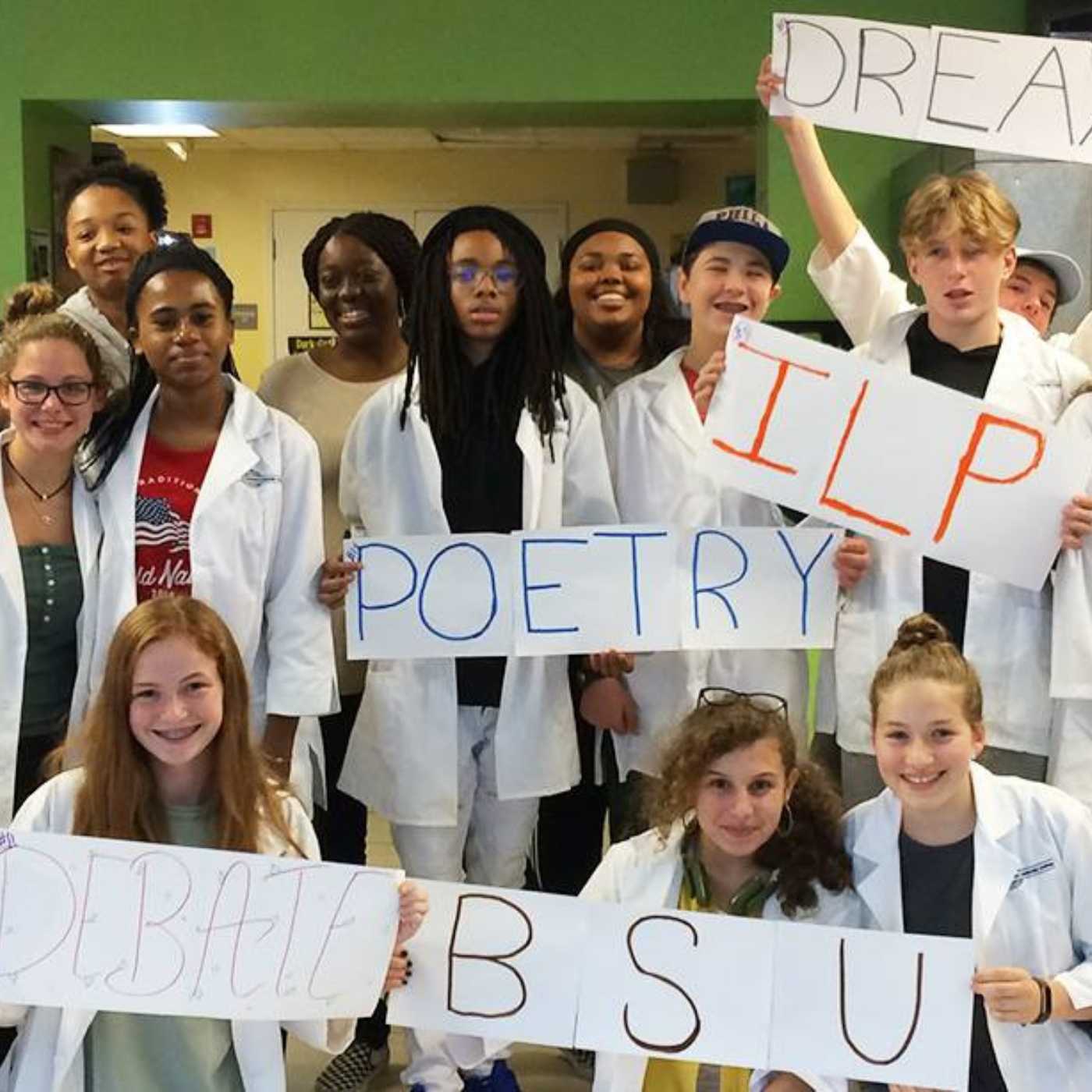
We speak with Chris Lehmann, founding principal of Science Leadership Academy, inquiry-driven and project-based schools in Philadelphia. The academic model centers inquiry, research, collaboration, presentation, and refl…
Solving chronic absence: A whole-school approach (Encore) [not-audio_url] [/not-audio_url]

Duration: 45:21
We speak with Hedy N. Chang of Attendance Works, who describes the long-term impact on student success of chronic absence in all grades. Framing chronic absence as a truancy issue can increase alienation from school. Dis…
Developing public communication skills: Speech and debate team [not-audio_url] [/not-audio_url]

Duration: 34:16
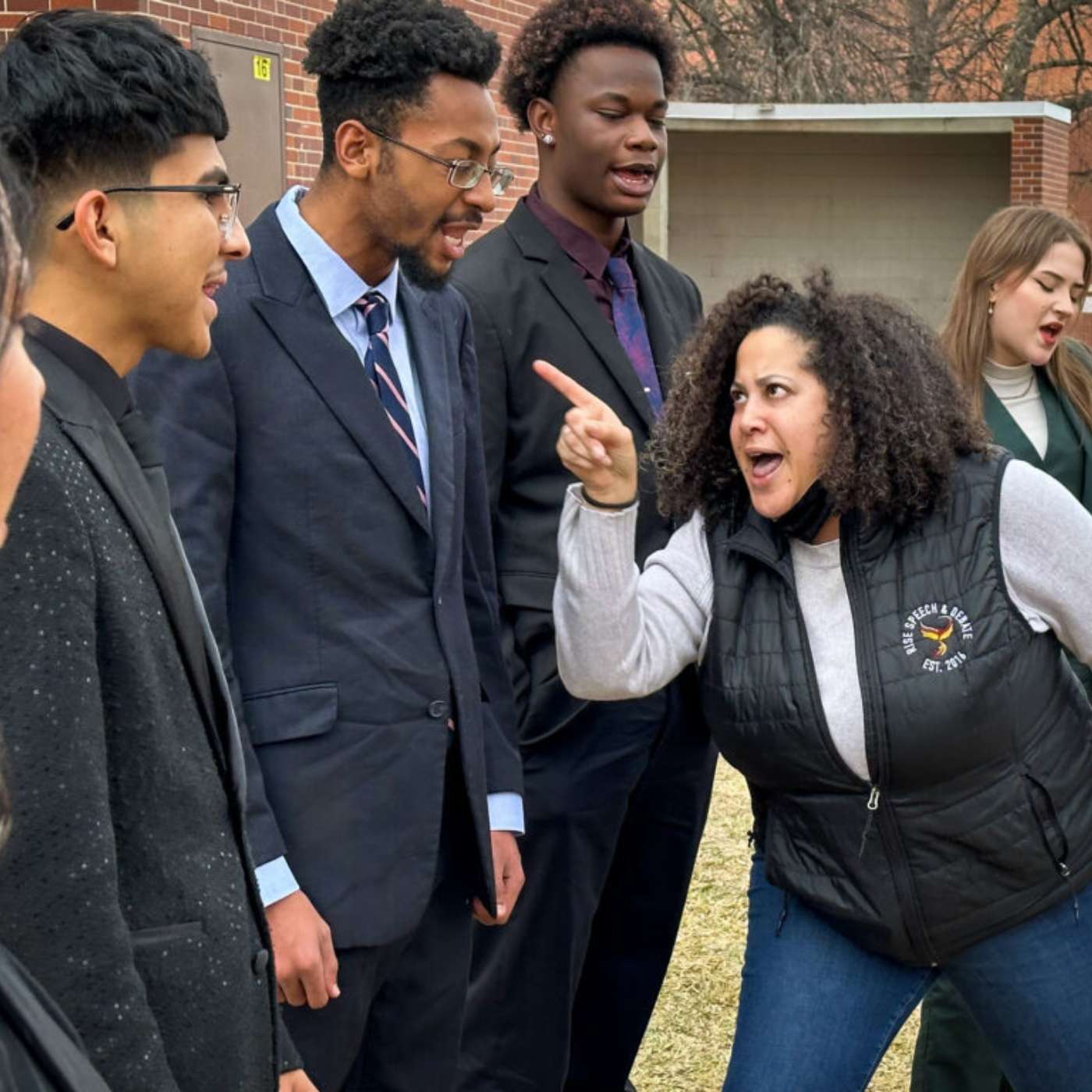
We speak with Denver English teacher and speech/debate coach Anna Steed about the benefits of speech and debate competition. Students acquire critical communication skills and self-confidence; students of color and low-i…
Experiential learning: Where human history and nature connect [not-audio_url] [/not-audio_url]

Duration: 24:16
We speak with Jackie Broder, director of the Mamakating Environmental Education Center in New York’s Catskill Mountains. The Center abuts the Basha Kill wetland, a vital self-contained ecosystem. It helps students, famil…
Cultural responsiveness: is music optional? (Encore) [not-audio_url] [/not-audio_url]

Duration: 40:00
We speak with Dr. Anne Smith, longtime music teacher in Northern Virginia, about accommodating cultural differences. Dr. Smith created an alternate curriculum for students whose traditions don’t allow secular music-makin…
The “Name Game”: racialization in a suburban high school (Encore) [not-audio_url] [/not-audio_url]

Duration: 49:53
Drs. Tony de Jesus, Anthony Johnston, and Don Siler of University of St. Joseph recount their intervention in a multiracial high school in crisis. White students had instigated a “game” of addressing Black students as th…
What Would YOU Do? [not-audio_url] [/not-audio_url]

Duration: 1:55
Today we’re here to invite you to watch our new video podcast series “What Would YOU do?”. Created in partnership with EdEthics of the Harvard Graduate School of Education, each episode includes a dramatization of an eth…