Climate anxiety: a generational plague

Climate anxiety: a generational plague

Author: Ethical Schools January 22, 2023 Duration: 36:31
We speak with Lian Zeitz, co-founder of the Climate Mental Health Network, which promotes wellness in light of the climate crisis. According to a recent survey, 70% of young people are fearful for their future due to climate change. Teachers can foster wellness by interweaving insights into their curricula, and by instilling habits of hope and resilience. The Climate Mental Health Network prioritizes input from students, working with a Gen Z advisory board. Overview 00:00-00:37 Intros 00:37-02:49 Climate anxiety: what it is and how it is affecting young people 02:49-04:04 “To heal the planet, we have to collectively heal ourselves” 04:04-06:22 When is anxiety about a real threat healthy and when not? 06:22-06:39 Components of wellness 06:39-08:33 How teachers can foster wellness with students 08:33-11:11 Integrating SEL and mental health dimensions, including climate mental health into mainstream curriculum 11:11-13:59 How Climate Mental Health Network supports teachers and administrators 13:59-17:01 K-12 environmental justice curriculum in Califortnia 17:01-19:48 Whole school mental health transformation 19:48-23:04 Gen Z leadership roles 23:04-25:50 Non-medical-centered model 25:50-28:32 Learning from Indigeneous communities without co-optation 28:32-30:47 Individual choices and promotion of wellness 30:47-33:10 How students’ different life experiences have an impact on their degree of climate threat and on ways of supporting them

Conversations about education often focus on test scores and curriculum, but there’s a deeper layer that truly shapes a student’s experience. Ethical Schools digs into that layer, exploring what it means to build a learning community grounded in integrity and care. Each week, hosts Amy and Jon sit down with educators and innovators who are actively reimagining schools. You’ll hear specific, grounded discussions about the practical work of creating environments where every student feels safe and respected. The dialogue frequently addresses how to support young people dealing with trauma, moving beyond theory to share actionable strategies that teachers are using right now. More than just problem-solving, this podcast highlights how to empower students themselves to become advocates and changemakers in their own communities. It’s a series that connects philosophy with daily practice, looking at the social and cultural structures within schools through a lens of ethics. For anyone invested in the future of education-whether you’re a teacher, administrator, or simply a concerned community member-this podcast offers a thoughtful and necessary perspective on the foundational values that make education meaningful.
Author: Language: en-us Episodes: 100

Ethical Schools
Podcast Episodes
What’s real and who/what matters: Sentientism in schools [not-audio_url] [/not-audio_url]

Duration: 49:16
We speak with Jamie Woodhouse, UK educator and thought leader on sentientism. An ethical worldview informed by evidence, reason, and compassion, sentientism prioritizes the well-being of humans and animals other than hum…
Climate change education: Meeting NJ’s mandate hands-on [not-audio_url] [/not-audio_url]

Duration: 40:45
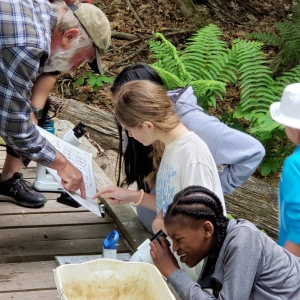
We speak with the New Jersey School of Conservation’s Kerry Kirk Pflugh and Tanya Sulikowski, and Garwood, NJ middle school teacher, K.C. Bree about the SOC and about New Jersey’s first-in-the-nation mandate for climate…
Cultivating layups, confidence, and community [not-audio_url] [/not-audio_url]

Duration: 31:31
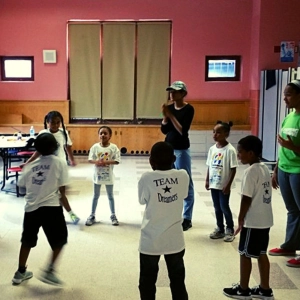
We speak with Dave Crenshaw, founder and coach of Team Dreamers NY in Washington Heights; Blanca Battino, retired principal of PS 128; and Dr. Robert Fullilove, professor and associate dean at Columbia University’s Mailm…
Creating the conditions: Sustaining “caring for” education [not-audio_url] [/not-audio_url]

Duration: 35:55
We speak with Chris Lehmann, founding principal of Science Leadership Academy, inquiry-driven and project-based schools in Philadelphia. The academic model centers inquiry, research, collaboration, presentation, and refl…
Solving chronic absence: A whole-school approach (Encore) [not-audio_url] [/not-audio_url]

Duration: 45:21
We speak with Hedy N. Chang of Attendance Works, who describes the long-term impact on student success of chronic absence in all grades. Framing chronic absence as a truancy issue can increase alienation from school. Dis…
Developing public communication skills: Speech and debate team [not-audio_url] [/not-audio_url]

Duration: 34:16
We speak with Denver English teacher and speech/debate coach Anna Steed about the benefits of speech and debate competition. Students acquire critical communication skills and self-confidence; students of color and low-i…
Experiential learning: Where human history and nature connect [not-audio_url] [/not-audio_url]

Duration: 24:16
We speak with Jackie Broder, director of the Mamakating Environmental Education Center in New York’s Catskill Mountains. The Center abuts the Basha Kill wetland, a vital self-contained ecosystem. It helps students, famil…
Cultural responsiveness: is music optional? (Encore) [not-audio_url] [/not-audio_url]

Duration: 40:00
We speak with Dr. Anne Smith, longtime music teacher in Northern Virginia, about accommodating cultural differences. Dr. Smith created an alternate curriculum for students whose traditions don’t allow secular music-makin…