Critical analysis: not just for students

Critical analysis: not just for students

Author: Ethical Schools May 20, 2021 Duration: 33:30

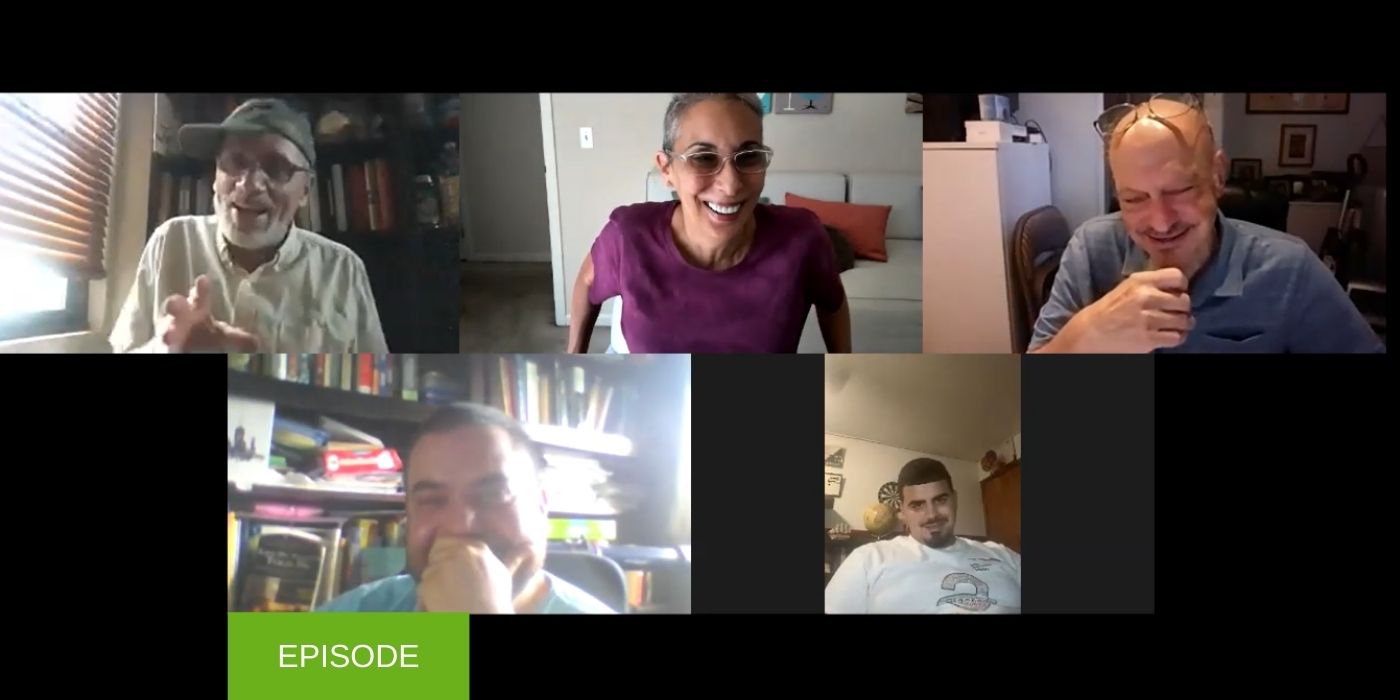
We speak with Dr. Sam Abrams of the National Center for the Study of Privatization in Education (NCSPE) at Teachers College, Columbia University. Dr. Abrams describes his analyses of statistics released by local and national education systems and widely disseminated by the media. Sometimes the reports are wrong or misleading, which can have serious consequences for students. We also talk about some of the differences between Finland’s schools and our own.

Overview

00:00-00:41 Intros

00:41-05:39 Misleading narrative about admissions to NYC screened high schools

05:39-08:23 Why Department of Education and principals don’t correct the narrative

08:23-12:05 Sam Abrams’s Columbia Journalism Review article

12:05-13:02 How changes in admissions policies at Beacon and Bard High School and Early College will change the schools

13:02-17:31 What an equitable admissions policy could look like; screening; focusing on reducing large economic consequences for students of tracking

17:31-24:15 “Teaching time” in US and other countries—errors in comparative data and their importance

24:15-26:31 Looking at assessment in Finland and the U.S.

26:31-31:22 Educational option plans—implications for integration and for instruction

31:22-33:30 Outro

Transcript

Click here to see the full transcription of this episode. 

References


Conversations about education often focus on test scores and curriculum, but there’s a deeper layer that truly shapes a student’s experience. Ethical Schools digs into that layer, exploring what it means to build a learning community grounded in integrity and care. Each week, hosts Amy and Jon sit down with educators and innovators who are actively reimagining schools. You’ll hear specific, grounded discussions about the practical work of creating environments where every student feels safe and respected. The dialogue frequently addresses how to support young people dealing with trauma, moving beyond theory to share actionable strategies that teachers are using right now. More than just problem-solving, this podcast highlights how to empower students themselves to become advocates and changemakers in their own communities. It’s a series that connects philosophy with daily practice, looking at the social and cultural structures within schools through a lens of ethics. For anyone invested in the future of education-whether you’re a teacher, administrator, or simply a concerned community member-this podcast offers a thoughtful and necessary perspective on the foundational values that make education meaningful.
Author: Language: English Episodes: 240

Ethical Schools
Podcast Episodes
Education denied: What should reparations look like? [not-audio_url] [/not-audio_url]

Duration: 48:00
Daarel Burnette II of Education Week delves into the history of Black communities demanding education and school boards conspiring to deprive them of opportunities and resources. We zoom in on Virginia’s reparations to B…
Identity-focused classes: Experiments in cultural relevance [not-audio_url] [/not-audio_url]

Duration: 38:45
We speak with Dr. Emily Penner, who studied the impacts of two programs in which students delved into their respective races, ethnicities, and communities. San Francisco’s was designed for academically-struggling student…
Practicing ethics: Case studies [not-audio_url] [/not-audio_url]

Duration: 41:00
We speak with Meira Levinson, Professor of Education at Harvard, about her website justiceinschools.org and books of “hard cases,” designed to help educators and youth workers think about the ethical implications of thei…
Parent voice: Supporting families with special needs [not-audio_url] [/not-audio_url]

Duration: 51:00
Ellen McHugh, long time activist and Public Advocate Williams’s appointee to the NYC Citywide Council on Special Education, delves into the challenges facing parents of students with special education needs. Ethical rela…
Antiracism: Lessons for the classroom and faculty lounge [not-audio_url] [/not-audio_url]

Duration: 48:00
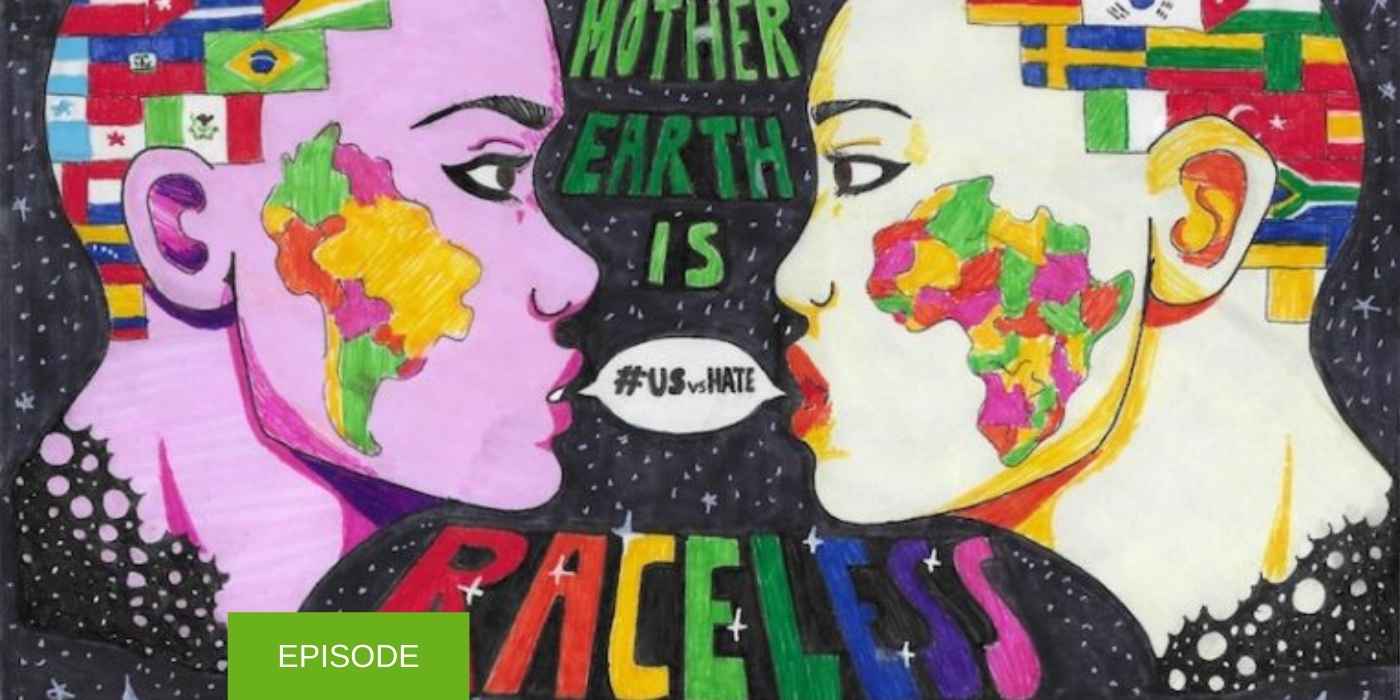
We speak with Mica Pollock about US vs Hate and Schooltalk. Student anti-racism messaging in any medium can catalyze youth activism. Comments embedded in teachers’ everyday communication can impact students’ lifetime tra…
Consumption as ethics: Talking with students about food [not-audio_url] [/not-audio_url]

Duration: 27:15
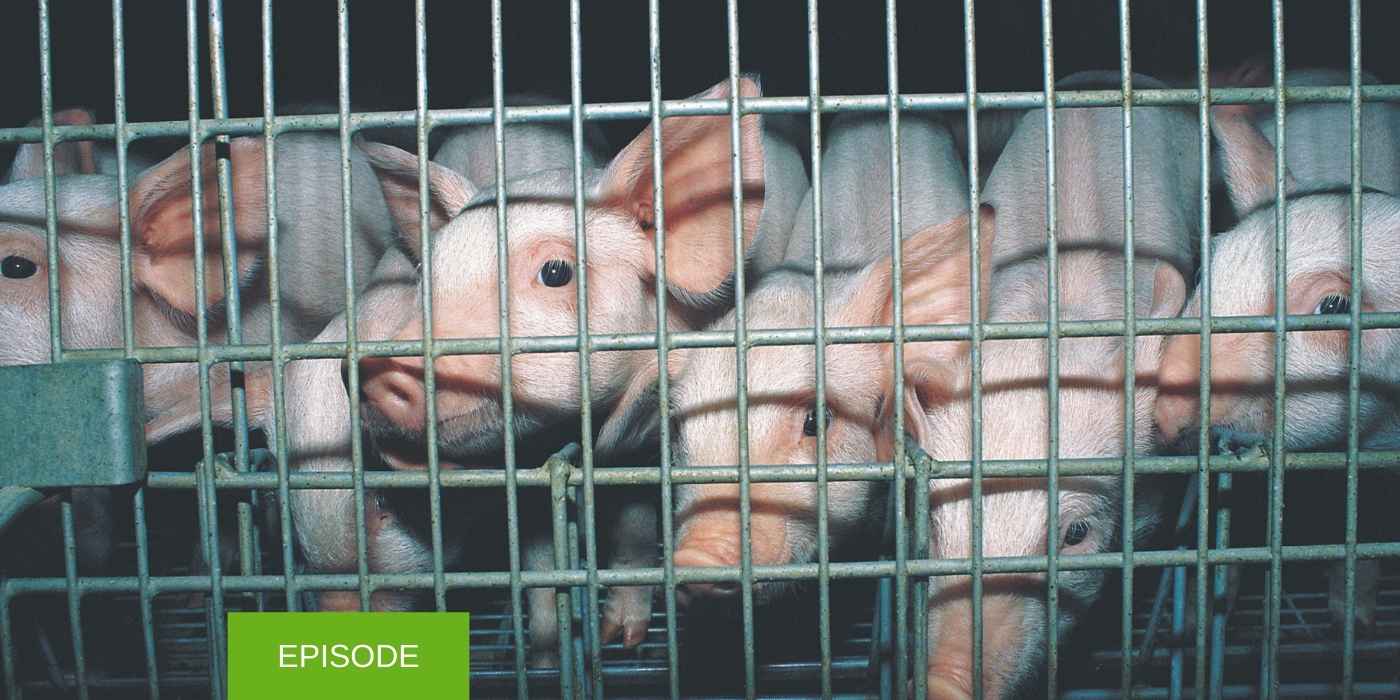
We welcome back Monica Chen of Factory Farming Awareness Coalition. She describes the animal-agricultural complex that exploits workers in meatpacking plants and animals in factory farms and devastates communities and th…
Busting out of the classroom: Connecting local history to everyday life [not-audio_url] [/not-audio_url]

Duration: 43:30
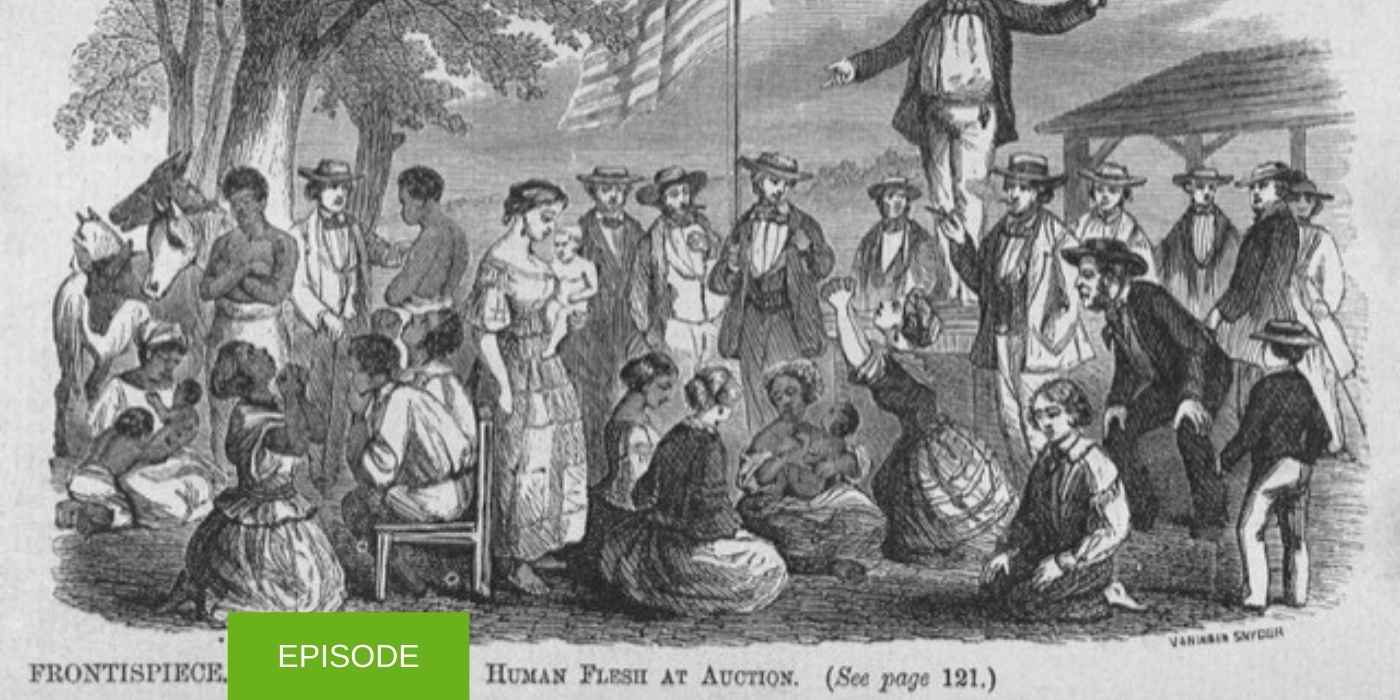
Social studies teacher David Edelman and student Raúl Baez speak about their class’s “Virtual Walking Tour of Slavery in New York City” and other projects in which students become teachers. David’s goal is to instill cur…
Food injustice: The corporatization of school meals [not-audio_url] [/not-audio_url]

Duration: 35:59
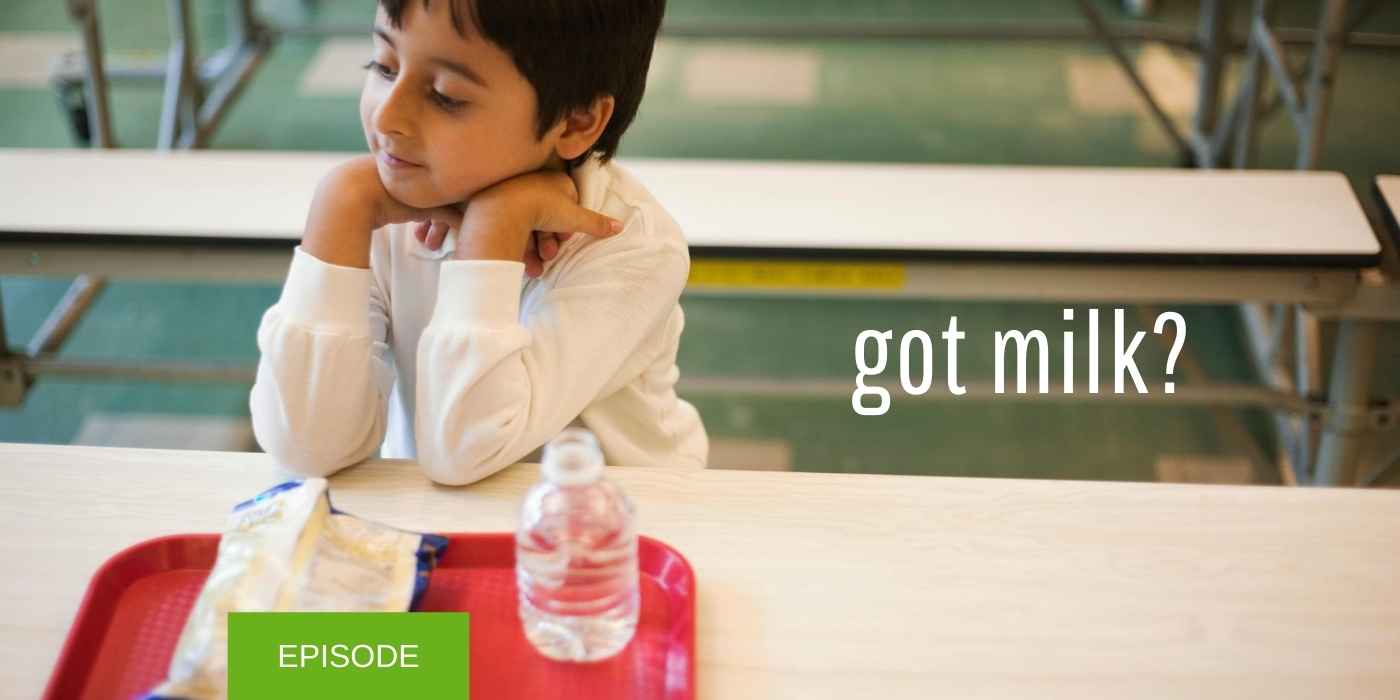
We speak with Monica Chen, veteran teacher and executive director of Factory Farming Awareness Coalition. Monica tells us how cow’s milk became a staple in school lunches even though most children of color do not have th…
Audit culture: The dehumanization of education [not-audio_url] [/not-audio_url]

Duration: 58:57
World renowned educational consultant Bill Stroud talks about schooling within our capitalist culture and the impact that on-line learning will have on teachers’ autonomy and teacher-student relationships. He discusses s…