Descriptive inquiry: Teachers talking about hard subjects

Descriptive inquiry: Teachers talking about hard subjects

Author: Ethical Schools July 14, 2022 Duration: 40:45

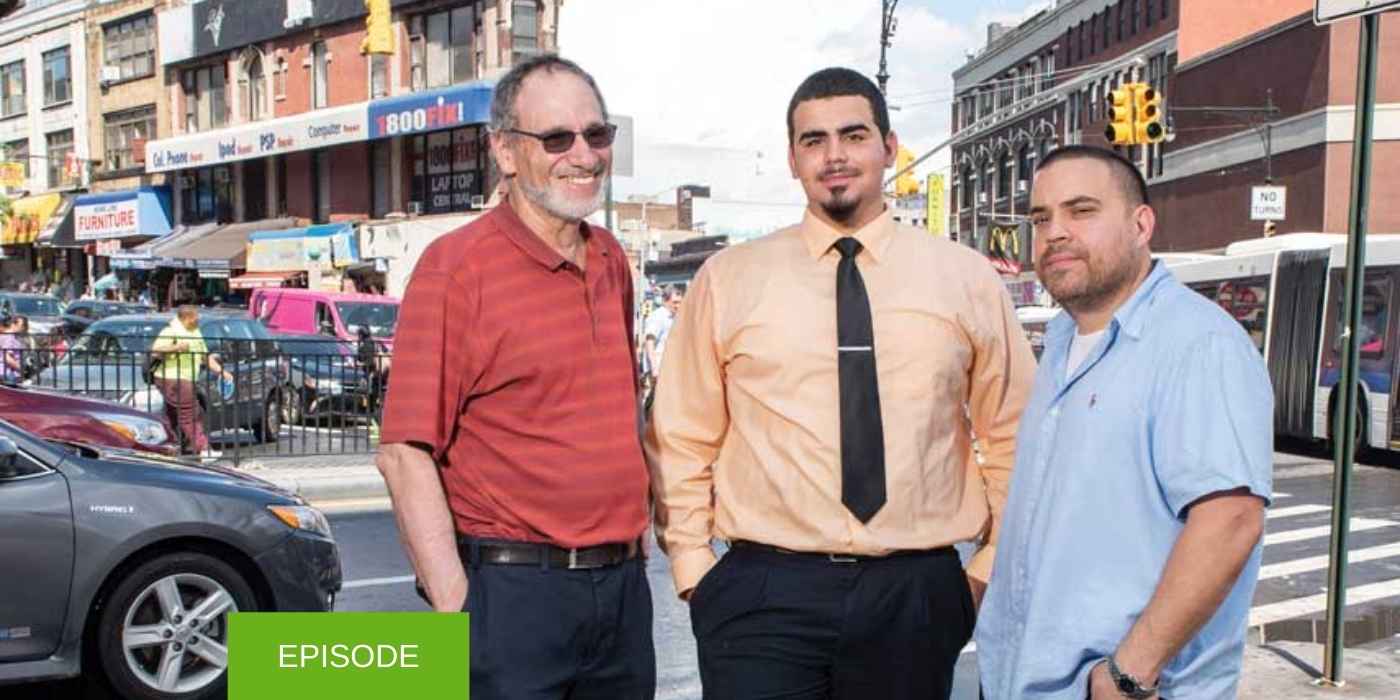
We speak with Dr. Cecelia Traugh and Dr. Cara Furman, co-authors of “Descriptive Inquiry in Teacher Practice: Cultivating Practical Wisdom to Create Democratic Schools.” Descriptive inquiry is a structured, collaborative process in which teachers share and get practical feedback on classroom challenges. Breaking down teachers’ isolation, descriptive inquiry encourages non-confrontational conversations about racial and other biases. Teachers benefit not only from the wisdom of their colleagues but also from the safe space and supportive community.

Overview

00:00-00:44 Intros

00:44-04:18 Descriptive inquiry

04:18-07:32 How descriptive inquiry was developed

07:32-09:17 Phenomenology

09:17-09:48 Summer Institute

09:48-14:37 Developing relationships (with faculty or with parents); talking about race

14:37-19:33 Questions of race within faculty practice; looking at biases

19:33-24:01 Teasing out cultural norms; developing community

24:01-26:29 Descriptive inquiry as being value laden

26:29-31:05 Helping teachers feel comfortable sharing

31:05-36:38 Writing the book: why now and why people should read it

36:38- Outro

Transcript


Conversations about education often focus on test scores and curriculum, but there’s a deeper layer that truly shapes a student’s experience. Ethical Schools digs into that layer, exploring what it means to build a learning community grounded in integrity and care. Each week, hosts Amy and Jon sit down with educators and innovators who are actively reimagining schools. You’ll hear specific, grounded discussions about the practical work of creating environments where every student feels safe and respected. The dialogue frequently addresses how to support young people dealing with trauma, moving beyond theory to share actionable strategies that teachers are using right now. More than just problem-solving, this podcast highlights how to empower students themselves to become advocates and changemakers in their own communities. It’s a series that connects philosophy with daily practice, looking at the social and cultural structures within schools through a lens of ethics. For anyone invested in the future of education-whether you’re a teacher, administrator, or simply a concerned community member-this podcast offers a thoughtful and necessary perspective on the foundational values that make education meaningful.
Author: Language: English Episodes: 240

Ethical Schools
Podcast Episodes
Police and metal detectors in schools: Student perspectives [not-audio_url] [/not-audio_url]

Duration: 27:30
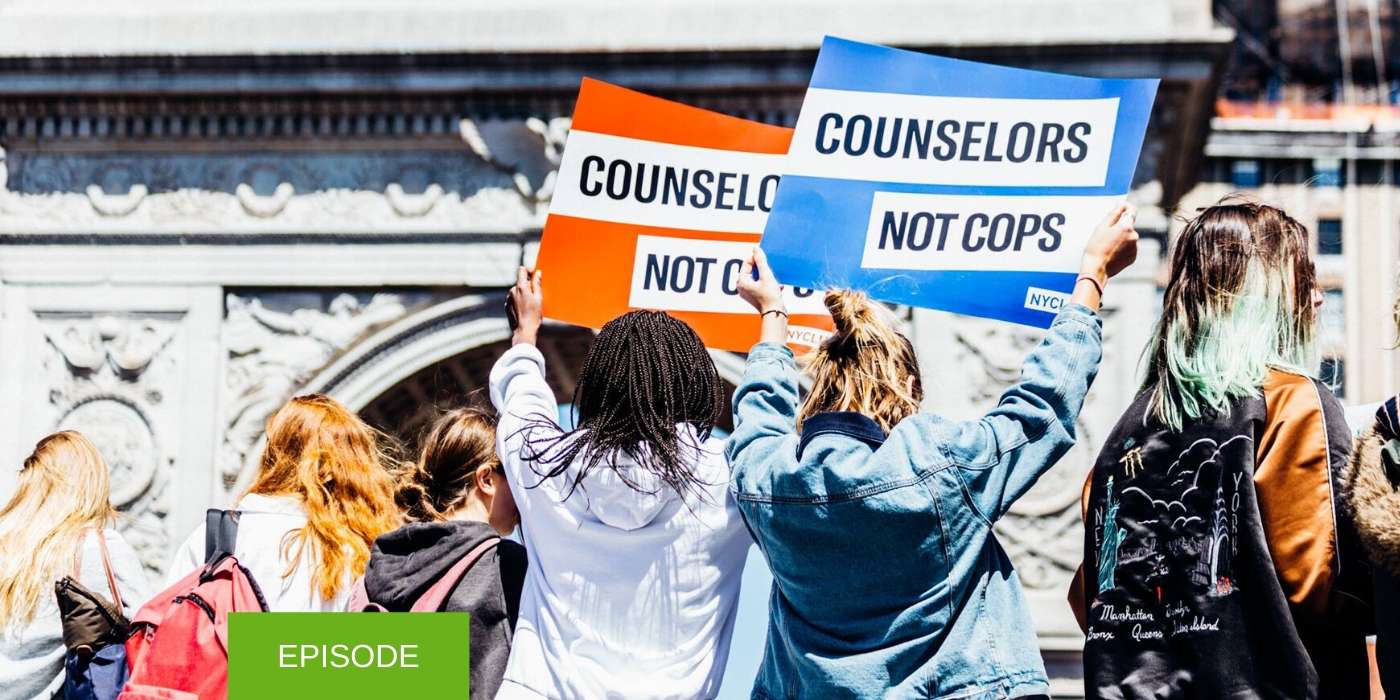
Nia Morgan and Anahi Ortiz Fierros of Urban Youth Collaborative describe how police and metal detectors humiliate and traumatize students. The story of the “fork in the backpack” illustrates the system’s absurdity. And w…
*UPDATE* Civics education: A Constitutional right? [not-audio_url] [/not-audio_url]

Duration: 38:05
Last year we interviewed Mark Santow, one of the plaintiffs suing the State of Rhode Island under the 14th Amendment for failing to provide some students civics curricula and other components of an adequate education. Af…
Too Late For Reform: Abolishing the Police in Schools [not-audio_url] [/not-audio_url]

Duration: 33:15
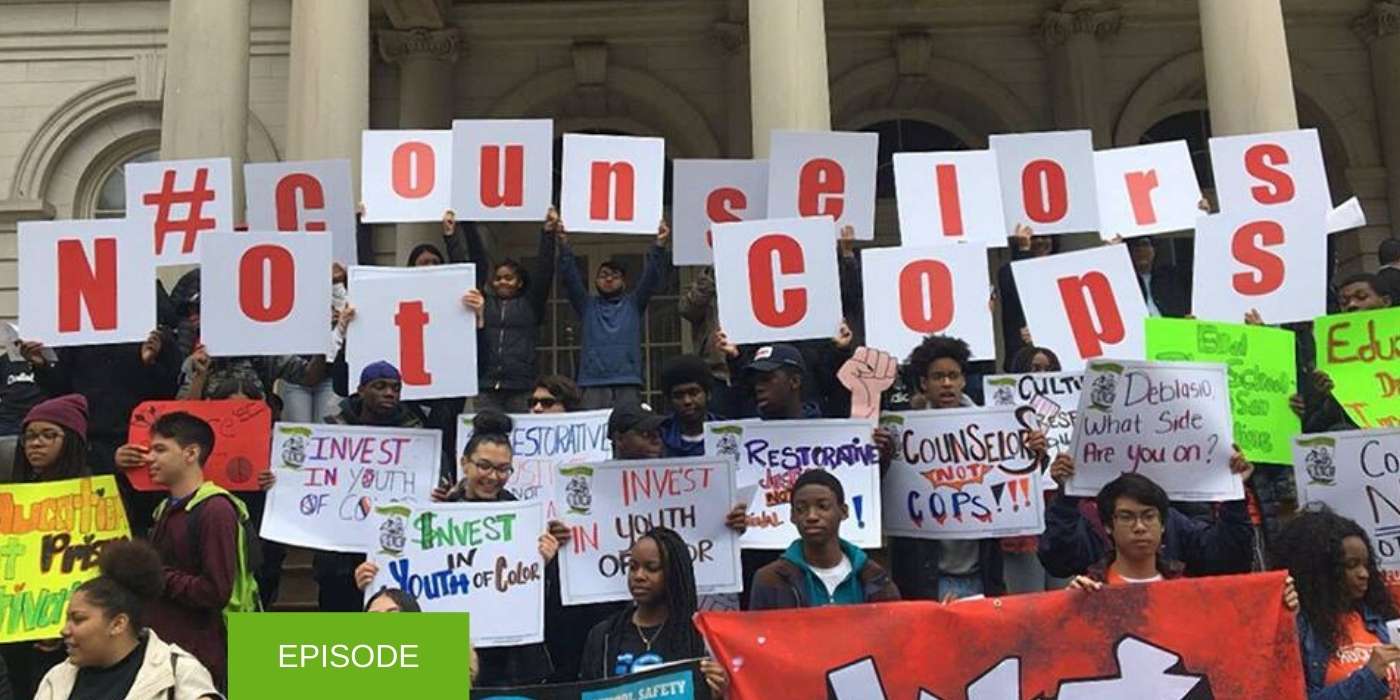
Toni Smith-Thompson, Senior Organizer at NY Civil Liberties Union, discusses the importance of replacing police presence in schools with restorative practices. Toni envisions ethical schools, in which all students feel b…
Reimagining college admissions: Performance assessment pilot at CUNY [not-audio_url] [/not-audio_url]

Duration: 45:00
Dr. Michelle Fine speaks about better alternatives to standardized tests for students to demonstrate college-readiness. NYC’s Consortium Schools, which use Performance Based Assessment Tasks, collaborated with CUNY to op…
Why teach history? Knowing “why” shapes “how” [not-audio_url] [/not-audio_url]

Duration: 43:30
Richard Miller, who taught in progressive NYC secondary schools for 28 years, talks about teaching students to think like historians, weighing different sources and drawing their conclusions from evidence. The past gives…