Descriptive inquiry: Teachers talking about hard subjects

Descriptive inquiry: Teachers talking about hard subjects

Author: Ethical Schools July 14, 2022 Duration: 40:45

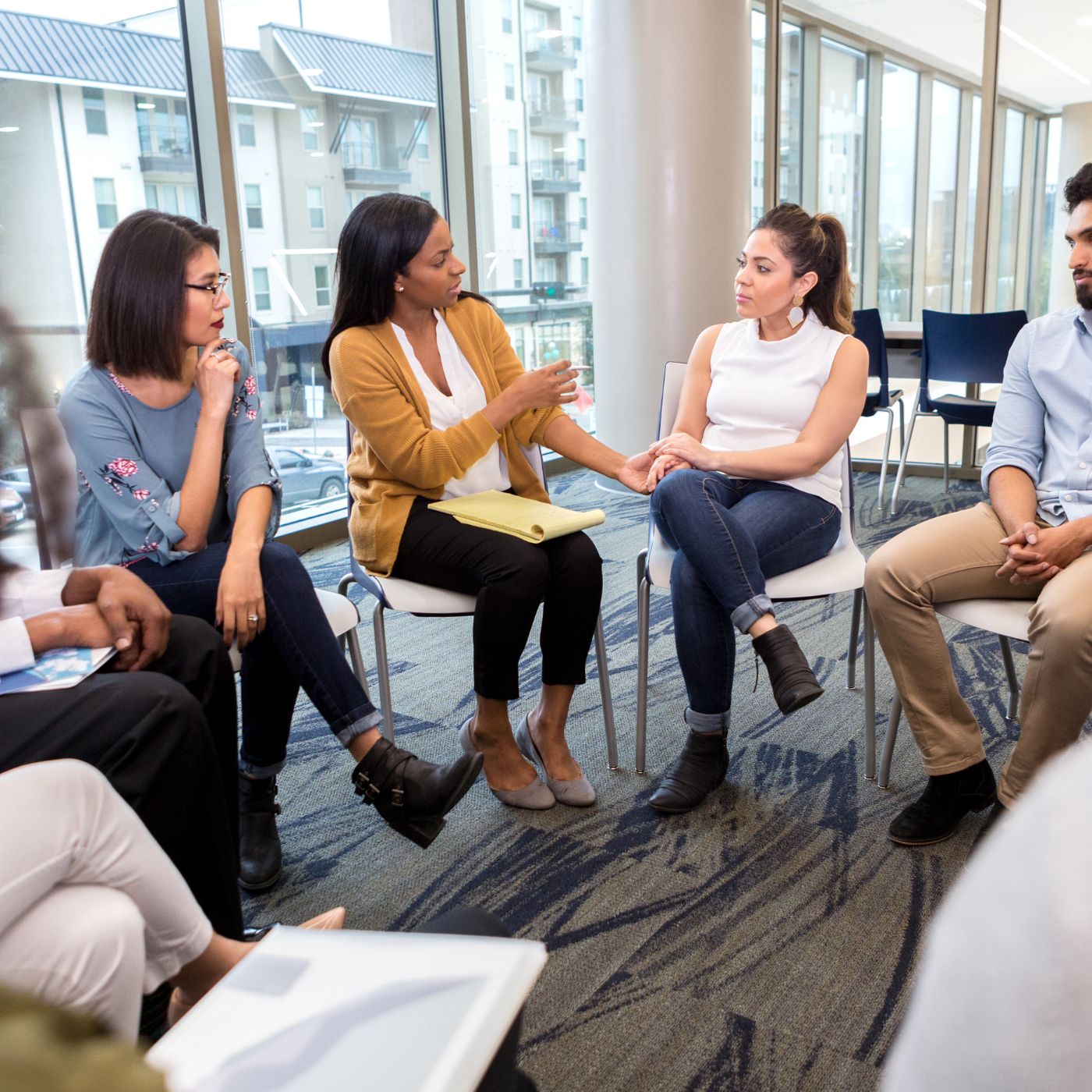
We speak with Dr. Cecelia Traugh and Dr. Cara Furman, co-authors of “Descriptive Inquiry in Teacher Practice: Cultivating Practical Wisdom to Create Democratic Schools.” Descriptive inquiry is a structured, collaborative process in which teachers share and get practical feedback on classroom challenges. Breaking down teachers’ isolation, descriptive inquiry encourages non-confrontational conversations about racial and other biases. Teachers benefit not only from the wisdom of their colleagues but also from the safe space and supportive community.

Overview

00:00-00:44 Intros

00:44-04:18 Descriptive inquiry

04:18-07:32 How descriptive inquiry was developed

07:32-09:17 Phenomenology

09:17-09:48 Summer Institute

09:48-14:37 Developing relationships (with faculty or with parents); talking about race

14:37-19:33 Questions of race within faculty practice; looking at biases

19:33-24:01 Teasing out cultural norms; developing community

24:01-26:29 Descriptive inquiry as being value laden

26:29-31:05 Helping teachers feel comfortable sharing

31:05-36:38 Writing the book: why now and why people should read it

36:38- Outro

Transcript


Conversations about education often focus on test scores and curriculum, but there’s a deeper layer that truly shapes a student’s experience. Ethical Schools digs into that layer, exploring what it means to build a learning community grounded in integrity and care. Each week, hosts Amy and Jon sit down with educators and innovators who are actively reimagining schools. You’ll hear specific, grounded discussions about the practical work of creating environments where every student feels safe and respected. The dialogue frequently addresses how to support young people dealing with trauma, moving beyond theory to share actionable strategies that teachers are using right now. More than just problem-solving, this podcast highlights how to empower students themselves to become advocates and changemakers in their own communities. It’s a series that connects philosophy with daily practice, looking at the social and cultural structures within schools through a lens of ethics. For anyone invested in the future of education-whether you’re a teacher, administrator, or simply a concerned community member-this podcast offers a thoughtful and necessary perspective on the foundational values that make education meaningful.
Author: Language: English Episodes: 240

Ethical Schools
Podcast Episodes
Students doing original research: Project-based learning in Ohio [not-audio_url] [/not-audio_url]

Duration: 56:47
We speak with middle school teachers, Debbie Holecko and Claudia Bestor, and their former student, Rafel Alshakergi, about a student-led research project that led to ethical civic engagement. Rafel explains how the exper…
Abolitionist education: Creating liberatory spaces (Part Two) [not-audio_url] [/not-audio_url]

Duration: 35:30
We continue our conversation with Dr. Edwin Mayorga of Swarthmore College. We discuss the corporatization of schools that reduces students to their test scores. Dr. Mayorga encourages educators to center joy and healing.…
Abolitionist education: Creating liberatory spaces (Part One) [not-audio_url] [/not-audio_url]

Duration: 44:30
We speak with Swarthmore’s Dr. Edwin Mayorga, who explains how abolitionist classrooms and schools create “freedom as a place” in contrast to racial capitalism. Teachers are the lead inquirers and try to “move at the spe…
BIPOC and undocumented: A trauma-filled intersection [not-audio_url] [/not-audio_url]

Duration: 33:10
Dr. Christiana Best, who spent thirty years in the New York City child welfare system before becoming a full-time academic, discusses her personal experience of being left behind in Granada while her mother settled in th…
The impact of deportation policies on Latinx students’ mental health [not-audio_url] [/not-audio_url]

Duration: 28:45
Dr. Randy Capps, Director of Research for U.S. Programs at the Migration Policy Institute, surveyed Latinx high school students to see how fear of deportation – of their parents, relatives, friends, or themselves – impac…
Empowering school counselors to support struggling students [not-audio_url] [/not-audio_url]

Duration: 36:30
Dr. Mandy Savitz-Romer of Harvard Graduate School of Education sees counselors as schools’ academic conscience, the hub for providing holistic support to students. To be effective, they need a seat at the leadership tabl…
Holistic history: The African diaspora [not-audio_url] [/not-audio_url]

Duration: 39:45
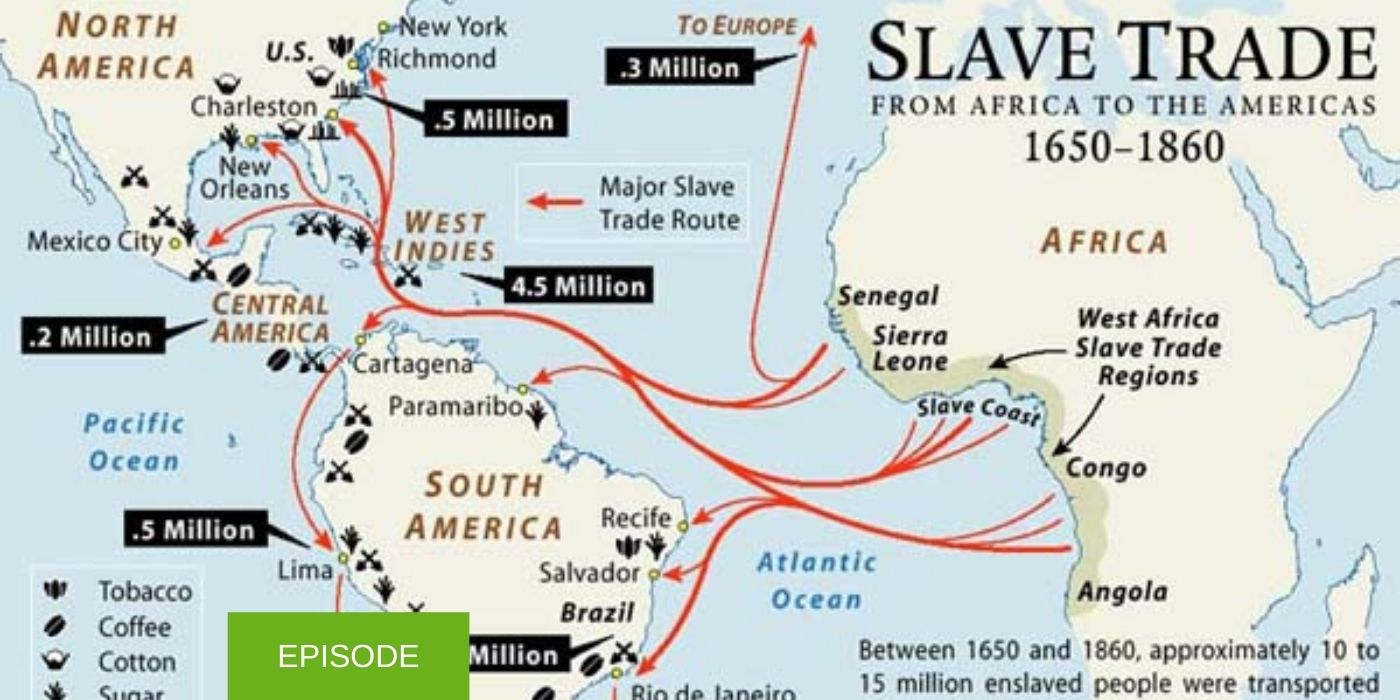
Dr. Kim Butler, who leads Rutgers’s Africana Studies program, says that while we usually teach history and social studies in discreet, testable units, events are complex and interconnected. Slavery throughout the America…
Students leading change: Inclusiveness at an elite school [not-audio_url] [/not-audio_url]

Duration: 49:12
Stacey Cervellino Thorp and Naima Moffett-Warden teach drama at Manhattan’s famed LaGuardia High School, and Abigail Rivera is a senior in the drama studio. Although all LaGuardia students are extraordinarily talented, t…
Teaching economics as political and ethical choices [not-audio_url] [/not-audio_url]

Duration: 37:00
We welcome back Lev Moscow of the Beacon School to discuss his approach to teaching political economy, which actually applies to any social science. It’s not primarily about the numbers but about the human choices behind…