Are private members' bills a good way for MPs to decide on difficult policy

Are private members' bills a good way for MPs to decide on difficult policy

Author: Institute for Government June 4, 2026 Duration: 1:01:08
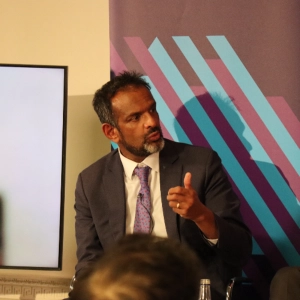
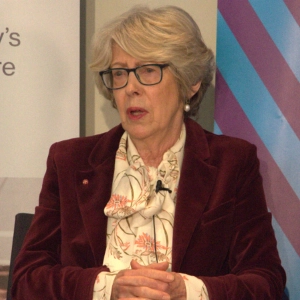
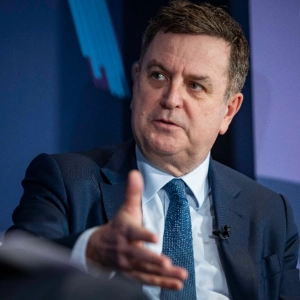
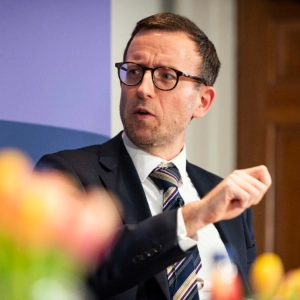
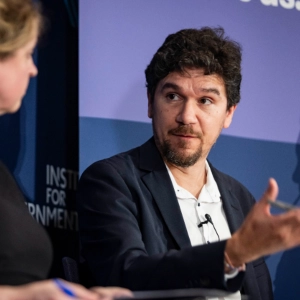
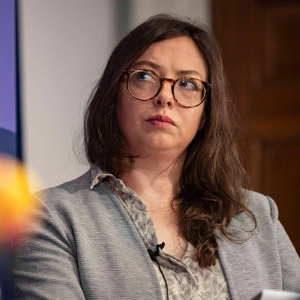
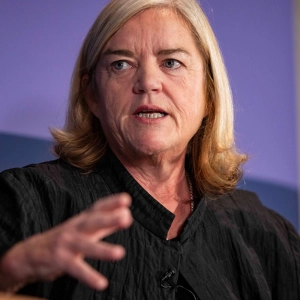
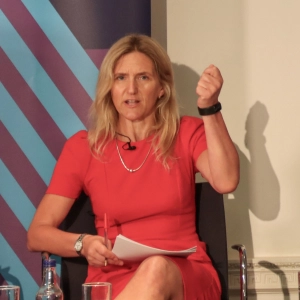
An expert panel drew on lessons from the recent assisted dying bill and other PMBs to consider how backbench MPs should approach complex issues. While historically major social reforms – such as decriminalising homosexuality or legalising abortion – have been introduced through private members’ bills (PMBs), most backbench attempts to legislate that do not begin with government support fail to make it onto the statute book. The Procedure Committee has undertaken extensive work and made proposals for reform, but the deficiencies of the PMB process remain largely hidden from public view. With the attempted passage of the Terminally Ill Adults (End of Life) Bill shining a spotlight on the PMB process, this Institute for Government event will explore the value and effectiveness of PMBs, and the wider role of backbenchers in shaping policy. Is the current process fit for purpose when it comes to issues that divide opinion and stir public debate? Are there other options that parliament should consider for backbench MPs to raise, debate and legislate on critical social issues? To discuss this and more, the IfG brought together an expert panel, including: Paul Brand, UK Editor at ITV News Dr Daniel Gover, Senior Lecturer in British Politics at Queen Mary University London Kim Leadbeater MP, sponsor of the Terminally Ill Adults (End of Life) Bill Luke Norbury, Parliamentary Counsel at the Cabinet Office The event was chaired by Dr Hannah White, Director and CEO of the Institute for Government.

Ever wondered what really happens behind the doors of Whitehall? Institute for Government pulls up a chair at the table where policy is made and governance gets tested. This isn't about partisan politics or headlines; it's a deeper, more practical conversation about how the machinery of the UK government actually works-or sometimes, why it doesn't. Each episode brings you the experts from the Institute itself, along with senior civil servants, ministers, and analysts, for frank discussions that dissect the challenges of running a country. You'll hear specific case studies, analysis of major events as they unfold, and explorations of long-term issues like public service reform or the complexities of Brexit implementation. The goal is to move beyond theory and into the tangible details of effectiveness and accountability. Tuning into this podcast feels like gaining access to a privileged briefing, one that demystifies the processes that shape daily life. It’s for anyone curious about the structures of power, the art of the possible in policy, and the ongoing effort to improve how the nation is governed. Expect thoughtful, evidence-based dialogue that cuts through the noise to examine the levers of statecraft.

Author: Language: English Episodes: 50

Institute for Government
Podcast Episodes
The view from the IfG: Government in 2026 [not-audio_url] [/not-audio_url]

Duration: 47:35
This event was part of Government 2026, the IfG's annual conference. Political journalist Carolyn Quinn, former presenter of the BBC’s Westminster Hour, was in conversation with four IfG programme directors to discuss th…
Rewiring the state: Is the government making any progress? [not-audio_url] [/not-audio_url]

Duration: 1:05:51
This event was part of Government 2026, the IfG's annual conference. Drawing on brand new IfG research, this panel gave its verdict on the government's attempts to reform the civil service. Whitehall Monitor 2026 present…
Is the centre of government built to deliver? [not-audio_url] [/not-audio_url]

Duration: 58:32
This event was part of Government 2026, the IfG's annual conference. An expert panel explored how well No.10 and the Treasury work together to deliver the government's economic priorities. Rt Hon Ed Balls, broadcaster, p…