How can government close the early years attainment gap for boys from low-income families?

How can government close the early years attainment gap for boys from low-income families?

Author: Institute for Government June 18, 2026 Duration: 57:39
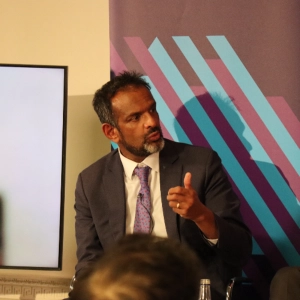
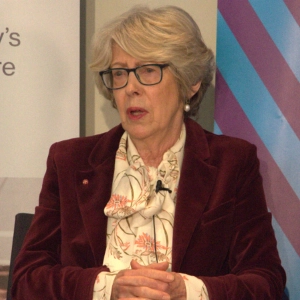
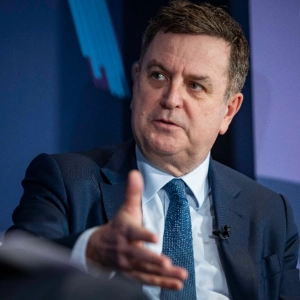
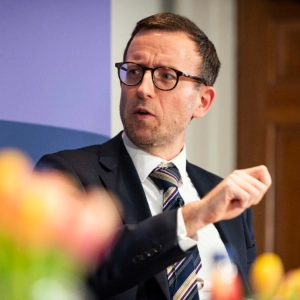
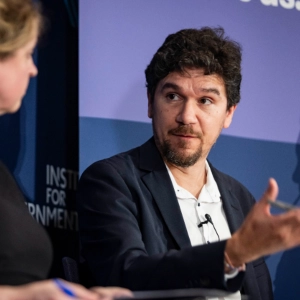
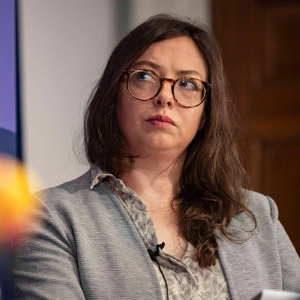
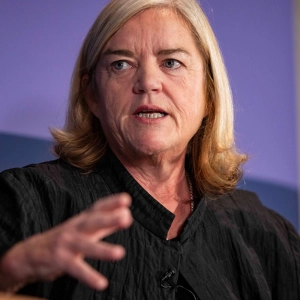
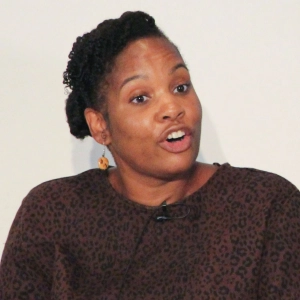
Boys from families living on low-incomes have been ‘left behind’ in early years policy making for decades. Nearly three in five boys from low-income families are not reaching a good level of development by the end of reception year, with long-term effects on their later educational attainment, job prospects, health and wellbeing. Two reports from the Institute for Government (IfG) – supported by Impact on Urban Health – set out how the government can ensure this group is not left behind in the implementation of its early years policy agenda over the next 12 months. Why have successive governments overlooked the needs of boys from low-income families? Where are promising models and practices already making a difference? What practical lessons do they offer central government as it works towards its target of 75% of five-year-olds being ‘school ready’ by 2028? To explore these questions and more, this event brought together a panel featuring: Claire Ainsley, Director of the Project on Center-Left Renewal and Senior Fellow at the Institute for Government Candice James BEM, Director of the Loughborough Community Centre Miriam Loxham, Senior Principal, Early Years and Family Help at the Greater Manchester Combined Authority Alistair Strathern MP, Member of Parliament for Hitchin and Co-chair of the Labour Group for Men and Boys Shaina Sangha, Researcher at the Institute for Government, started the event with a presentation of key findings from the reports. The event was chaired by Sophie Metcalfe, Senior Researcher at the Institute for Government. We would like to thank Impact on Urban Health for kindly supporting this event.

Ever wondered what really happens behind the doors of Whitehall? Institute for Government pulls up a chair at the table where policy is made and governance gets tested. This isn't about partisan politics or headlines; it's a deeper, more practical conversation about how the machinery of the UK government actually works-or sometimes, why it doesn't. Each episode brings you the experts from the Institute itself, along with senior civil servants, ministers, and analysts, for frank discussions that dissect the challenges of running a country. You'll hear specific case studies, analysis of major events as they unfold, and explorations of long-term issues like public service reform or the complexities of Brexit implementation. The goal is to move beyond theory and into the tangible details of effectiveness and accountability. Tuning into this podcast feels like gaining access to a privileged briefing, one that demystifies the processes that shape daily life. It’s for anyone curious about the structures of power, the art of the possible in policy, and the ongoing effort to improve how the nation is governed. Expect thoughtful, evidence-based dialogue that cuts through the noise to examine the levers of statecraft.

Author: Language: English Episodes: 50

Institute for Government
Podcast Episodes
The view from the IfG: Government in 2026 [not-audio_url] [/not-audio_url]

Duration: 47:35
This event was part of Government 2026, the IfG's annual conference. Political journalist Carolyn Quinn, former presenter of the BBC’s Westminster Hour, was in conversation with four IfG programme directors to discuss th…
Rewiring the state: Is the government making any progress? [not-audio_url] [/not-audio_url]

Duration: 1:05:51
This event was part of Government 2026, the IfG's annual conference. Drawing on brand new IfG research, this panel gave its verdict on the government's attempts to reform the civil service. Whitehall Monitor 2026 present…
Is the centre of government built to deliver? [not-audio_url] [/not-audio_url]

Duration: 58:32
This event was part of Government 2026, the IfG's annual conference. An expert panel explored how well No.10 and the Treasury work together to deliver the government's economic priorities. Rt Hon Ed Balls, broadcaster, p…