How should ministers decide the size and shape of new unitary authorities?

How should ministers decide the size and shape of new unitary authorities?

Author: Institute for Government February 26, 2026 Duration: 59:18
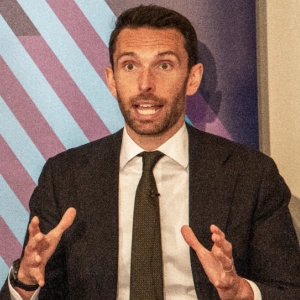
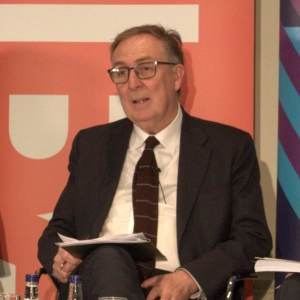
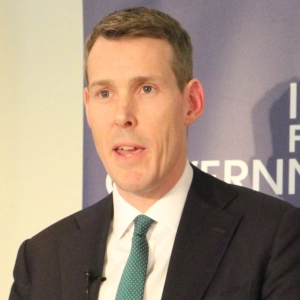
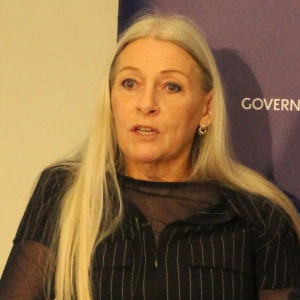
The government’s ambitious local government reorganisation (LGR) programme will replace all county and district councils with a single tier of unitary local government. Local authorities have submitted their preferred geographies to central government – but with reportedly 70 submissions across 21 two-tier areas, there is little consensus on the ideal footprints of future unitary authorities. Government is consulting the public and stakeholders, but ultimately it will fall to ministers to make these decisions – requiring potentially contentious judgements. Some local authorities favour fewer, larger geographies that offer greater efficiencies, others smaller councils that keep decision making closer to local communities. Final decisions will create winners and losers, and some outgoing authorities may resist the outcome. So how will these decisions shape the success of incoming unitary authorities? What weighting should ministers give to competing LGR criteria? How can ministers balance consistency of decisions with the need to tailor decisions for local areas? How can the government do this transparently? To answer these questions and more, this IfG event – the first in a new Making a Success of Local Government Reorganisation series – brought together an expert panel, including: Councillor Kay Mason Billig, Leader of Norfolk County Council Joanne Brown, Partner, Public Sector Audit at Grant Thornton UK LLP Dr Matthew Fright, Senior Researcher at the Institute for Government. Councillor Bella Sankey, Leader of Brighton and Hove City Council (joining remotely) This event was chaired by Akash Paun, Programme Director at the Institute for Government. The Institute for Government would like to thank Grant Thornton UK LLP for their support of this event, the first in a series on how to make a success of local government reorganisation (LGR).

Ever wondered what really happens behind the doors of Whitehall? Institute for Government pulls up a chair at the table where policy is made and governance gets tested. This isn't about partisan politics or headlines; it's a deeper, more practical conversation about how the machinery of the UK government actually works-or sometimes, why it doesn't. Each episode brings you the experts from the Institute itself, along with senior civil servants, ministers, and analysts, for frank discussions that dissect the challenges of running a country. You'll hear specific case studies, analysis of major events as they unfold, and explorations of long-term issues like public service reform or the complexities of Brexit implementation. The goal is to move beyond theory and into the tangible details of effectiveness and accountability. Tuning into this podcast feels like gaining access to a privileged briefing, one that demystifies the processes that shape daily life. It’s for anyone curious about the structures of power, the art of the possible in policy, and the ongoing effort to improve how the nation is governed. Expect thoughtful, evidence-based dialogue that cuts through the noise to examine the levers of statecraft.

Author: Language: English Episodes: 100

Institute for Government
Podcast Episodes
Government 2026 Welcome / Keynote speech by Wes Streeting [not-audio_url] [/not-audio_url]

Duration: 43:15
This event was part of Government 2026, the IfG's annual conference. Welcome Opening remarks from Dr Hannah White, Director and CEO of the Institute for Government Phillip Woolley, Partner, Head of Consulting at Grant Th…
The Trump challenge: Chaos, confusion and government communications [not-audio_url] [/not-audio_url]

Duration: 1:01:14
According to the Washington Post, Donald Trump made 30,573 false or misleading claims during his first term as US president – and Trump 2.0 has also shown little regard for facts or evidence. Unexpected presidential anno…
Autumn budget 2025: What is Rachel Reeves’ plan for the economy? [not-audio_url] [/not-audio_url]

Duration: 56:59
Just hours after Rachel Reeves sets out the budget to parliament, this webinar brought together a team of Institute for Government (IfG) experts to share their instant and essential analysis of the chancellor’s plans. Wh…
In conversation with John Swinney MSP, First Minister of Scotland [not-audio_url] [/not-audio_url]

Duration: 1:04:15
Scotland is just six months away from May’s crucial parliamentary election, with First Minister John Swinney preparing to lead the SNP into one of the most unpredictable campaigns since the party entered government almos…
The UK-EU ‘reset': Six months on [not-audio_url] [/not-audio_url]

Duration: 1:19:09
At May’s UK-EU summit, Keir Starmer and European Commission President Ursula von der Leyen unveiled a new Common Understanding between the EU and the UK. The government hailed a new “deal” with the EU which included an a…
How successfully have Labour run public services? [not-audio_url] [/not-audio_url]

Duration: 59:40
Poor public service performance was a key reason for Labour’s victory in the 2024 election. Following the new government’s first multi-year spending review and a major reshuffle, this event brough together a panel of exp…
The government's digital ID plan: Why now and what for? [not-audio_url] [/not-audio_url]

Duration: 1:01:47
Keir Starmer has announced plans for a new digital ID scheme to combat illegal working and make it easier for people to use vital government services like applying for a driving licence and accessing tax records. The gov…