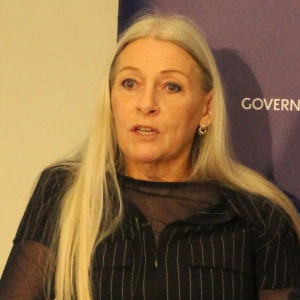
How should ministers decide the size and shape of new unitary authorities?

How should ministers decide the size and shape of new unitary authorities?

Author: Institute for Government February 26, 2026 Duration: 59:18
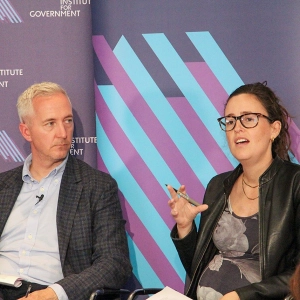
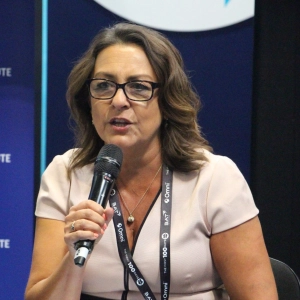
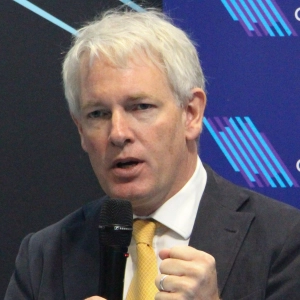
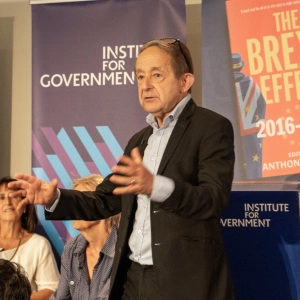
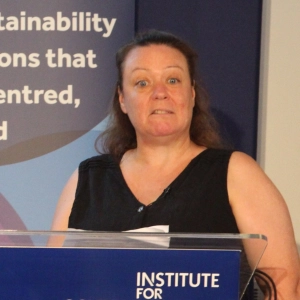
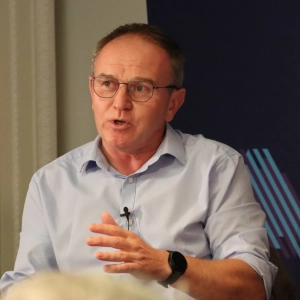
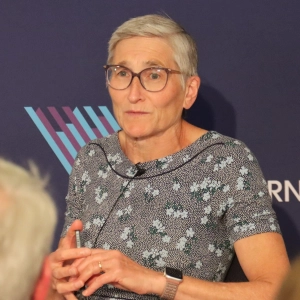
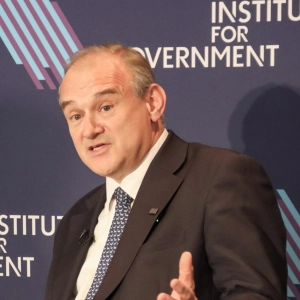
The government’s ambitious local government reorganisation (LGR) programme will replace all county and district councils with a single tier of unitary local government. Local authorities have submitted their preferred geographies to central government – but with reportedly 70 submissions across 21 two-tier areas, there is little consensus on the ideal footprints of future unitary authorities. Government is consulting the public and stakeholders, but ultimately it will fall to ministers to make these decisions – requiring potentially contentious judgements. Some local authorities favour fewer, larger geographies that offer greater efficiencies, others smaller councils that keep decision making closer to local communities. Final decisions will create winners and losers, and some outgoing authorities may resist the outcome. So how will these decisions shape the success of incoming unitary authorities? What weighting should ministers give to competing LGR criteria? How can ministers balance consistency of decisions with the need to tailor decisions for local areas? How can the government do this transparently? To answer these questions and more, this IfG event – the first in a new Making a Success of Local Government Reorganisation series – brought together an expert panel, including: Councillor Kay Mason Billig, Leader of Norfolk County Council Joanne Brown, Partner, Public Sector Audit at Grant Thornton UK LLP Dr Matthew Fright, Senior Researcher at the Institute for Government. Councillor Bella Sankey, Leader of Brighton and Hove City Council (joining remotely) This event was chaired by Akash Paun, Programme Director at the Institute for Government. The Institute for Government would like to thank Grant Thornton UK LLP for their support of this event, the first in a series on how to make a success of local government reorganisation (LGR).

Ever wondered what really happens behind the doors of Whitehall? Institute for Government pulls up a chair at the table where policy is made and governance gets tested. This isn't about partisan politics or headlines; it's a deeper, more practical conversation about how the machinery of the UK government actually works-or sometimes, why it doesn't. Each episode brings you the experts from the Institute itself, along with senior civil servants, ministers, and analysts, for frank discussions that dissect the challenges of running a country. You'll hear specific case studies, analysis of major events as they unfold, and explorations of long-term issues like public service reform or the complexities of Brexit implementation. The goal is to move beyond theory and into the tangible details of effectiveness and accountability. Tuning into this podcast feels like gaining access to a privileged briefing, one that demystifies the processes that shape daily life. It’s for anyone curious about the structures of power, the art of the possible in policy, and the ongoing effort to improve how the nation is governed. Expect thoughtful, evidence-based dialogue that cuts through the noise to examine the levers of statecraft.

Author: Language: English Episodes: 100

Institute for Government
Podcast Episodes
A state rewired? Civil service size, shape, and turnover [not-audio_url] [/not-audio_url]

Duration: 46:02
Our first webinar in a three-part series focused on the findings of Whitehall Monitor 2026. The first Whitehall Monitor webinar – kicking off a three-part series exploring the IfG’s annual flagship report on the civil se…
In conversation with Rhun ap Iorwerth MS, Leader of Plaid Cymru [not-audio_url] [/not-audio_url]

Duration: 1:05:01
This event took place two months before the people of Wales cast their votes in the seventh election to Senedd Cymru (the Welsh parliament) since it was established in 1999. The polls suggest that Plaid is on track to ov…
How can the government make a success of the abolition of NHS England? [not-audio_url] [/not-audio_url]

Duration: 59:42
On 13 March 2025, Keir Starmer announced the abolition of NHS England, the arm’s-length body responsible for overseeing, planning, funding and delivering the health service – with its functions to be merged back into the…
In conversation with Eluned Morgan MS, First Minister of Wales [not-audio_url] [/not-audio_url]

Duration: 1:01:18
In 2024, Eluned Morgan MS became the sixth first minister of Wales – and the first woman to hold the role – since the dawn of devolution in 1999. She now leads Welsh Labour into the 2026 Senedd election, which will be he…