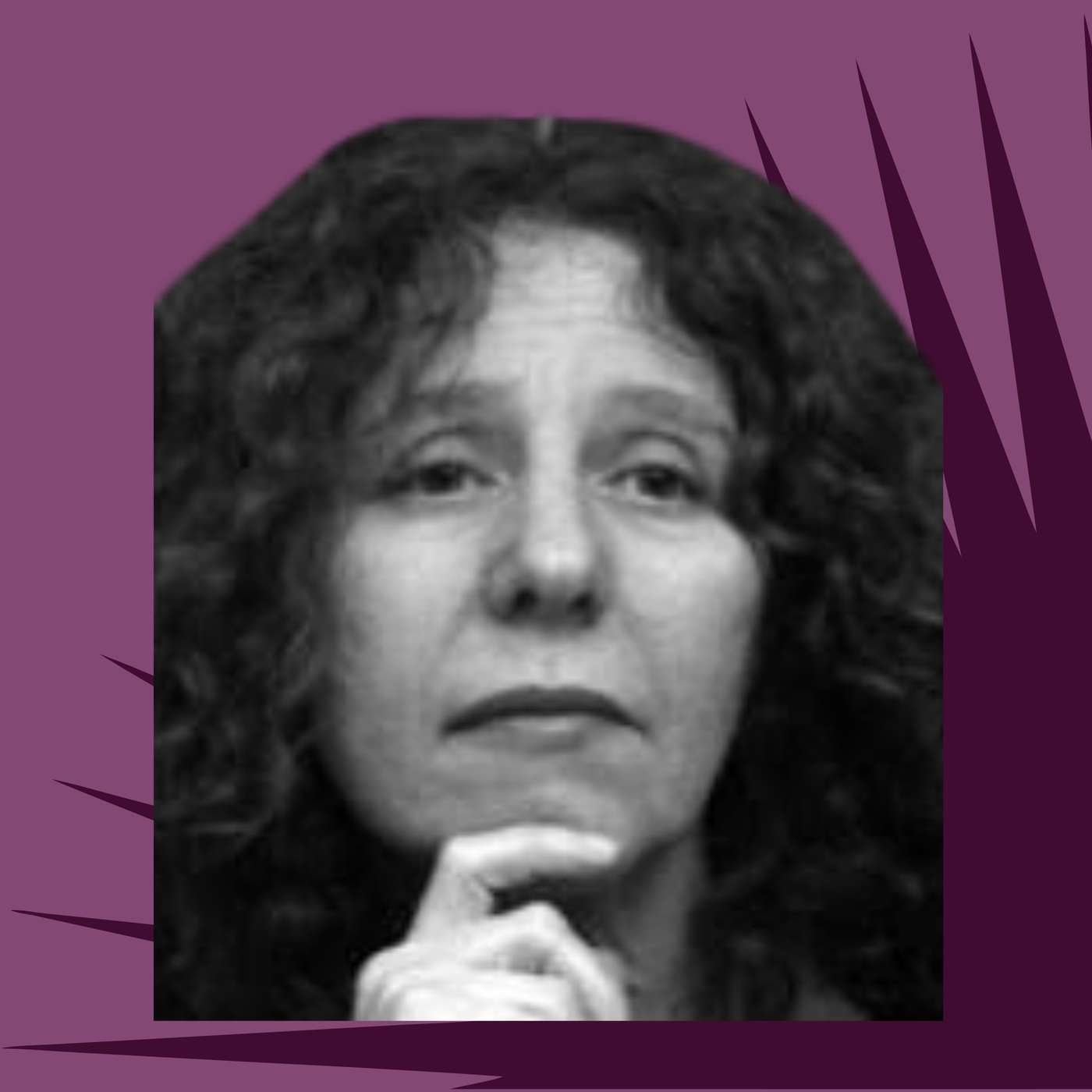
From suburban swimming pools and SUVs to White Lives Matter rallies, the Johns Hopkins anthropologist Anand Pandian has been exploring the everyday walls of American life. In his new book, Something Between Us, Pandian travels across the United States in his search to both climb and overcome these walls. What he finds is a nation tragically at war with itself. Through intimate portraits of communities divided by race, class, and ideology, Pandian reveals how ordinary public spaces have become literal battlegrounds for identity and belonging. From gated suburban neighborhoods in Florida to online echo chambers, his ethnographic journey exposes the invisible barriers that shape American social life. But he concludes with a degree of optimism. We can overcome those walls, he says, with the kind of collective political action that brings people of different ideological persuasions together.
1. Anthropological Method Reveals America's Hidden Divisions
"Ethnographic research is based on the idea that the best way of understanding the life of people in a particular social, cultural, historical situation is to immerse [in] the day-to-day circumstances of those people as much as possible, to imagine what it's like to live in those environments... and to try to see what the world would look like from that concrete point of view."
Pandian applies traditional anthropological methods—typically used to study distant cultures—to examine contemporary American society, revealing how divisions operate in everyday spaces.
2. Personal Experience Sparked Academic Investigation
"My own father was yelled at one day when he was walking down the road in Santa Monica, California, go back to your own country. I recount in the book an incident that my own son faced that fall of 2016 at the swimming pool where he was learning how to swim at the age of eight."
The 2016 election cycle and personal encounters with racism motivated Pandian to turn his anthropological lens on America, particularly after his son faced racial taunts at a historically segregated Baltimore pool.
3. Understanding Radicalization Through Everyday Logic
"I think it's really important to try to figure out how it is that radical positions, sometimes even monstrous positions, can grow out of really everyday banal circumstances... that gentleman in particular, I remember him making sense of this idea of the ethnostate by talking about how it is that when you're on an airplane, you're always advised to put your own mask on before you take care of anyone else."
Rather than dismissing white nationalists, Pandian seeks to understand how ordinary reasoning can lead to extremist positions.
4. Walls Are Both Physical and Mental
"I talk about circumstances that are really difficult. I talk the fact that a fifth of all Americans who live in residential communities now live in communities that are gated. I talk about what the 80 percent market share that SUVs and light trucks now enjoy in the American automotive market represents with regard to the zenith of certain ideas of protecting oneself at any cost."
The book examines how physical barriers (gated communities, SUVs) combine with mental walls (social media echo chambers) to deepen American divisions.
5. Unlikely Coalitions Offer Hope for Change
"I focus on... The certain kind of paradox that we might see, how do we make sense of the fact that in the same years that we saw the tightening of restrictions on reproductive rights in a state like Ohio, we saw a rollback of this particular measure [the pink tax], which advocates argued was discriminatory... that political opening grew out of some pretty unlikely coalitions that formed between people on the right and the left."
Despite deep polarization, Pandian finds examples of successful cross-partisan organizing around specific issues, suggesting possibilities for bridging divides through shared concerns rather than comprehensive ideological agreement.
Keen On America is a reader-supported publication. To receive new posts and support my work, consider becoming a free or paid subscriber.
This is a public episode. If you'd like to discuss this with other subscribers or get access to bonus episodes, visit
keenon.substack.com/subscribe