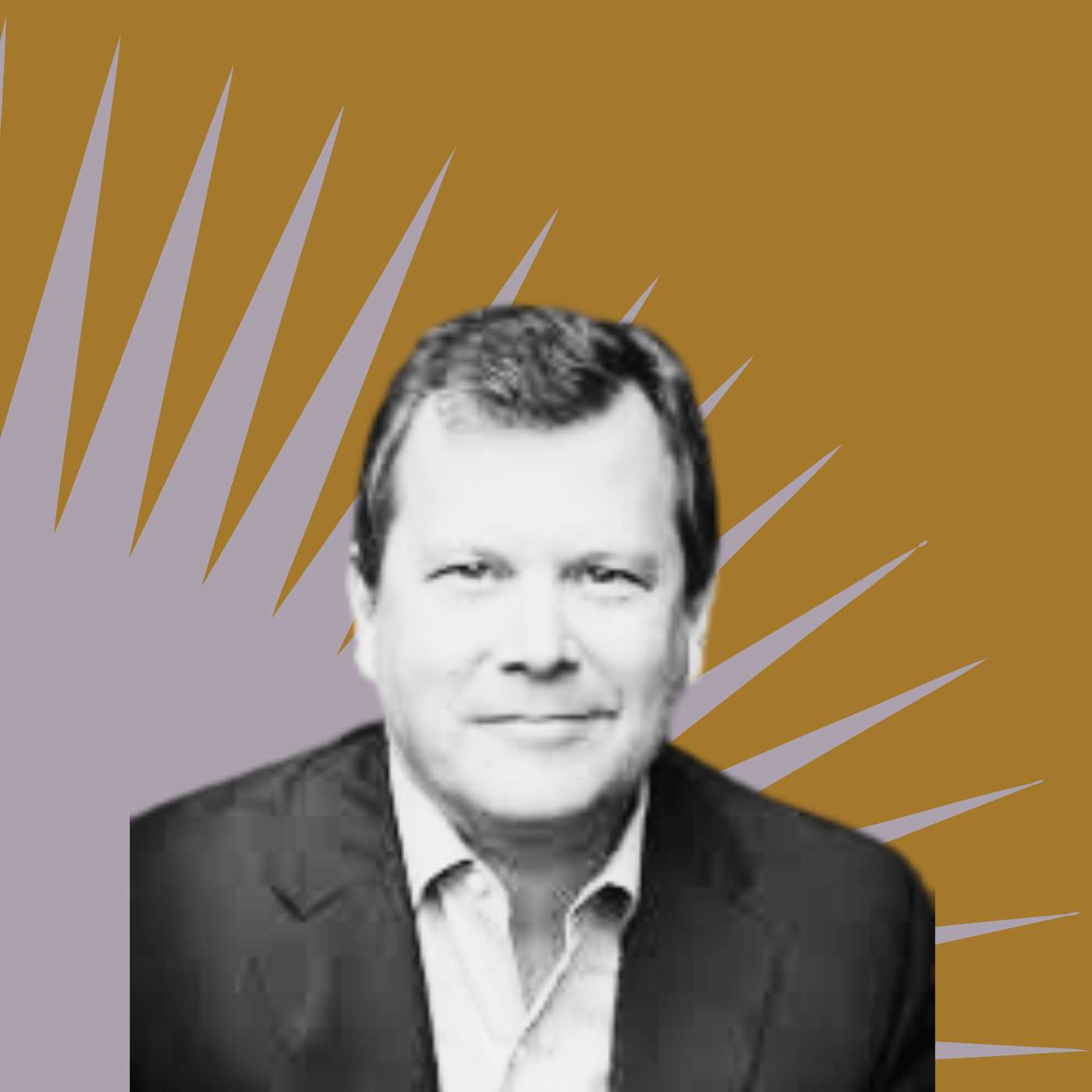
The world is a remake. Yesterday’s show featured the MAGA remake of The Handmaid’s Tale. Today it’s Dr Strangelove 2.0 and the remaking of the trillion-dollar military-industrial complex in Silicon Valley. As William Hartung, co-author of The Trillion Dollar War Machine, notes, Dwight Eisenhower’s old military-industrial complex has migrated west to Silicon Valley. It even has a Strangelovian anti-hero: mad Peter Thiel, co-founder of Palantir and the Curtis Le May character behind other Silicon Valley military start-ups. No wonder current American foreign policy—with its Monroe Doctrine meddling in Latin America—also appear to be a giant remake.
1. Silicon Valley Has Become the New Military-Industrial Complex Dwight Eisenhower’s old guard defense contractors—Lockheed Martin, Raytheon, Northrop Grumman—are being displaced by tech companies like Palantir, Anduril, and SpaceX. The “military-industrial-digital complex” represents a fundamental shift in how America builds and profits from its defense apparatus.
2. The Defense Budget Is Out of Control—and Growing America spends roughly $1.5 trillion annually on military defense when you include the Pentagon budget, nuclear weapons, veterans’ care, and interest on past war debt. This dwarfs spending on social programs like nutrition assistance and represents a stark trade-off: F-35s or feeding children.
3. Peter Thiel Is the Curtis LeMay of Silicon Valley Palantir co-founder Peter Thiel embodies the dangerous fusion of tech innovation and military hawkishness. His companies profit from government surveillance and defense contracts while he promotes an ideology that treats Silicon Valley entrepreneurs as a superior form of human being who should colonize space and reshape foreign policy.
4. The “Rebels” Narrative Is Corporate Propaganda Silicon Valley defense contractors style themselves as disruptive rebels challenging Pentagon bureaucracy, but they’re simply a new generation of war profiteers. They’re not democratizing foreign policy—they’re making weapons more efficiently and lobbying for more aggressive military postures to justify their business models.
5. America’s Foreign Policy Has Become a Dangerous Remake From Monroe Doctrine-style meddling in Latin America to increasingly bellicose rhetoric about China, American foreign policy is recycling Cold War playbooks with 21st-century technology. The merger of Silicon Valley’s move-fast-and-break-things ethos with Pentagon power creates genuinely Strangelovian risks.
Keen On America is a reader-supported publication. To receive new posts and support my work, consider becoming a free or paid subscriber.
This is a public episode. If you'd like to discuss this with other subscribers or get access to bonus episodes, visit
keenon.substack.com/subscribe