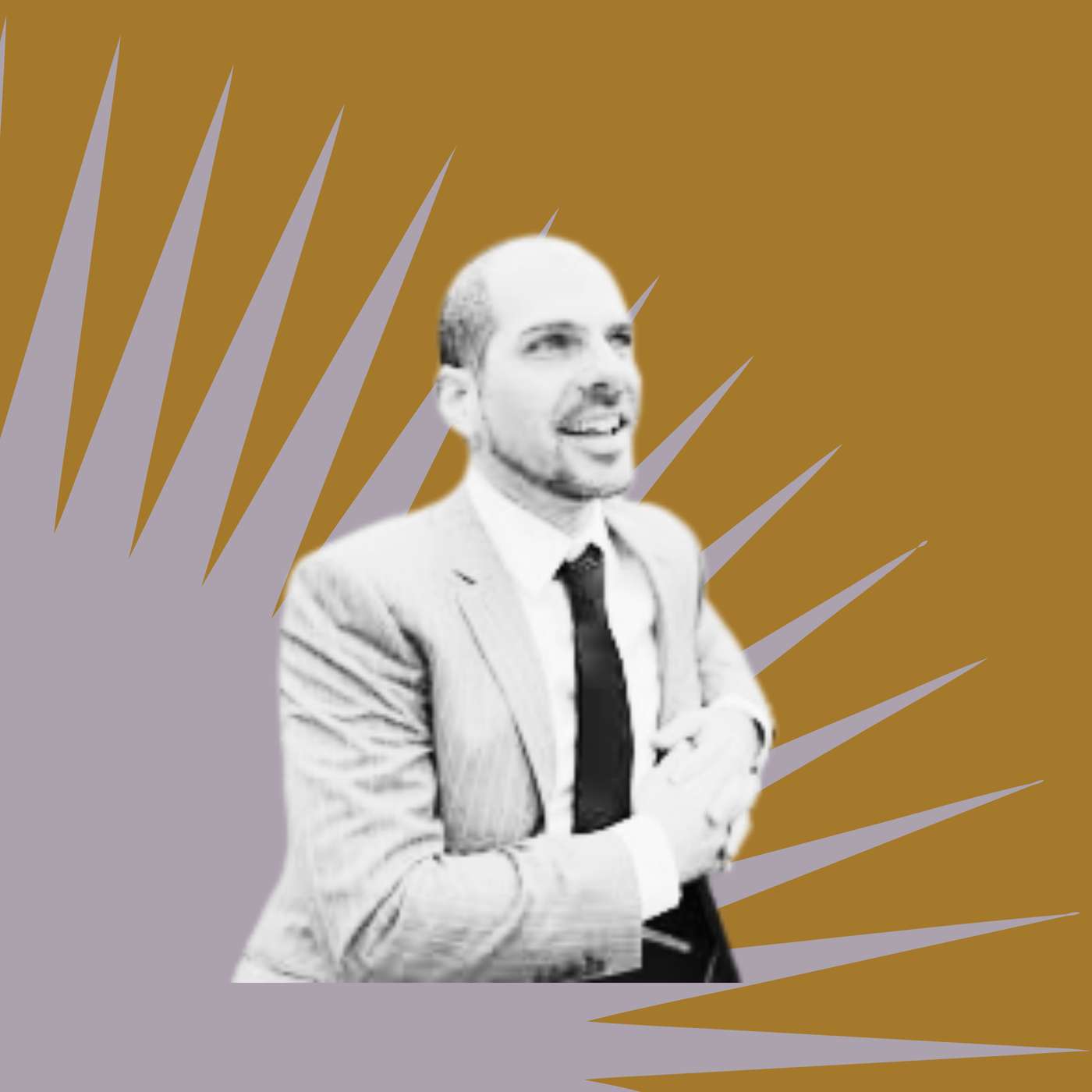
Lauren Oyler’s “Revenge Plot”, a literary diary of her trip to this year’s Republican convention in Milwaukee, is the cover story of this month’s Harper’s. So when I talked today with the Berlin based writer, we discussed both the revengefulness of the Republican party and what she calls the “risk aversion” of the Democrats. While Oyler cares a lot about the outcome of today’s election, she is wary of what she calls the “constant catastrophizing” both on the left and right of American politics. While this probably won’t be the final election in the history of American democracy, she suggests, it might be the first 21st century Presidential contest not dramatically shaped by the internet.
LAUREN OYLER’s essays on books and culture appear regularly in The New Yorker, The New York Times Magazine, London Review of Books, Harper's Magazine, Bookforum, and other publications. Born and raised in West Virginia, she now divides her time between New York and Berlin.
Named as one of the "100 most connected men" by GQ magazine, Andrew Keen is amongst the world's best known broadcasters and commentators. In addition to presenting KEEN ON, he is the host of the long-running How To Fix Democracy show. He is also the author of four prescient books about digital technology: CULT OF THE AMATEUR, DIGITAL VERTIGO, THE INTERNET IS NOT THE ANSWER and HOW TO FIX THE FUTURE. Andrew lives in San Francisco, is married to Cassandra Knight, Google's VP of Litigation & Discovery, and has two grown children.
Keen On is a reader-supported publication. To receive new posts and support my work, consider becoming a free or paid subscriber.
TRANSCRIPT
Andrew Keen: Hello, everybody. The day has come, it's Tuesday, November the 5th. Election Day. We don't know who's won, but many people are going to the polls. One person who won't be going to the polls is my guest today, Lauren Oyler. She's a distinguished American writer, bestselling writer, essayist, critic. But she happens to be, as I joked before, we went live in exile in Berlin. She lives there in Germany, but she's also the author of an excellent piece, it's the cover story of Harper's this week: "Reunion or Revenge: The GOP Identity Crisis." According to Lauren, they're on the brink. I'm not sure of what. Lauren is joining us from Berlin in Germany. Lauren, what's the view from there? Americans looking as crazy as ever?
Lauren Oyler: We're looking for a bar to go to. To be honest, we've been we've been we've been caucusing, trying to figure out where we can watch the the results. And we just found there's one place. But, you know, it doesn't the results aren't really start coming in until midnight here. So the debate is about whether we will stay up--or, people have some bad memories of doing that in 2016. I personally have a bad memory of doing that in 2016 as well. So the view is we're looking at our phones.
Keen: So I assume the bad memory was not that you drank too much or ate too much.
Oyler: No, I did. I certainly did. I'm just I was with my boyfriend at the time and we had gotten in a fight earlier that day about Hillary Clinton. And I, I just remember being like, I just don't care. I just don't care. And then we went to the bar with our friends and got quite drunk. And and then we were walking home and I didn't live here at the time, so I didn't have we didn't have cell phone service. So we walked home at like three in the morning. We were really drunk and we were like, Well, we won't know anything. And then we got home and we like, laid in bed in the dark and and looked at our phones and we were like, no, this is terrible. So and then just laid in bed again, really drunk looking at our phones.
Keen: It's something that could have occurred in one of your books or maybe in a in a DeLillo book. So are the Germans shocked? I mean, they they they've made a culture out of being a shock to other people that they particularly shocked this time around?
Oyler: No, I don't think so. I remember right before I went to report this story, I was in a restaurant down the street from my house and I listened to--I was overhearing a conversation with this German guy, was talking to these people and he was like, he was he was like, Yeah, have you heard they have the plague in Colorado now? He's like, Yeah, this is crazy. Imagine if we had the plague in Berlin. Like, it was really like, I don't really think they sort of like, Yeah, this is crazy, but it's, you know, it's not it's not the first time. And I think to and in Europe, it used to be that you were reviled as an American. Certainly when I first moved here in 2012, there was still that kind of anti-American sentiment. But now far right populism has spread across the West and everybody is sort of commiserating with with you and just kind of like, you know, it could happen. It could happen to us at any time. It basically is the idea.
Keen: The plague has come home to Germany from Colorado. So let's get to the piece, Lauren, you went to Milwaukee to cover the GOP's identity crisis. And it's a long essay. Very...to use the word Oyler-ish in the sense that it's it's a very creative piece of work, creative nonfiction, although some people might say there's a fictional element there. What was your overall take on this odd convention and why was it that it's almost five months ago now?
Oyler: Yeah. Well, I think the big the the big concern that I had going into it was that, you know, you're right, it would be coming out it came out in the middle of October, and I would be reporting on something that had happened in July, which, of course, in the past would have been perfectly normal for this kind of piece of this kind of like literary new journalism type thing. Many, many great pieces about political conventions that I'm sure your listeners, listeners will be familiar with, things like Norman Mailer, they come out late. But, you know, now--
Keen: It's timeless as well in their own way. I mean--
Oyler: It's supposed to be timeless, but now everybody's sort of attitude towards the news is like, I need to hear it right now. And then it the cycle, the cycle, the cycle and it goes away. So you sort of forget about it. So I kind of was grateful for the assignment because the assignment was basically like write something of lasting literary value about about the circus and spectacle, which was very interesting. And, you know, it was sort of you're following the news as it's happening and you're like, well, I can't really like you just have to be aware of the general narrative as time has gone on, you can't really be too obsessed with anyone's story because as I learned when former President Trump was almost assassinated while I was on the plane there, like something can just completely derail the whole plan. But I had never been to a political convention before. I was surprised at how much I enjoyed doing that kind of reporting. And I was surprised at how at the dissonance between what was being reported by these live up to the minute coverage, like blogs or social media or things like this. The difference between the analysis that those those journalists would generally produce and what I was interested in or even like what I thought the mood was, frankly, as, as the title of the pie...