A new book by the Pulitzer Prize finalist Nicholas Carr is always a major event. And today’s release of SUPERBLOOM: How Technologies of Connection Tear Us Apart offers a prescient critique of our social media age. As Carr explains, our assumption that more communication leads to better understanding is fundamentally wrong. Instead, he suggests that excessive communication through digital platforms actually tears people apart. Carr’s use of the “Superbloom” metaphor refers to an actual 2019 event in Southern California where people flocked to photograph wildflowers for social media, trampling the actual flowers in pursuit of the perfect image. Carr uses this as a metaphor for how we increasingly experience reality through online media rather than directly. Carr challenges the idea that new communication technologies automatically bring people together, noting how previous innovations like the telegraph and telephone came with similar utopian promises that were never fulfilled. He argues that modern smartphones and social media have created an unprecedented environment where we're constantly connected and socializing, which conflicts with how humans evolved to interact in bounded, physical spaces. Rather than offering simple solutions, Carr advocates for more mindful technology use and speculates that future generations might reject constant digital connectivity in favor of more meaningful direct experiences.
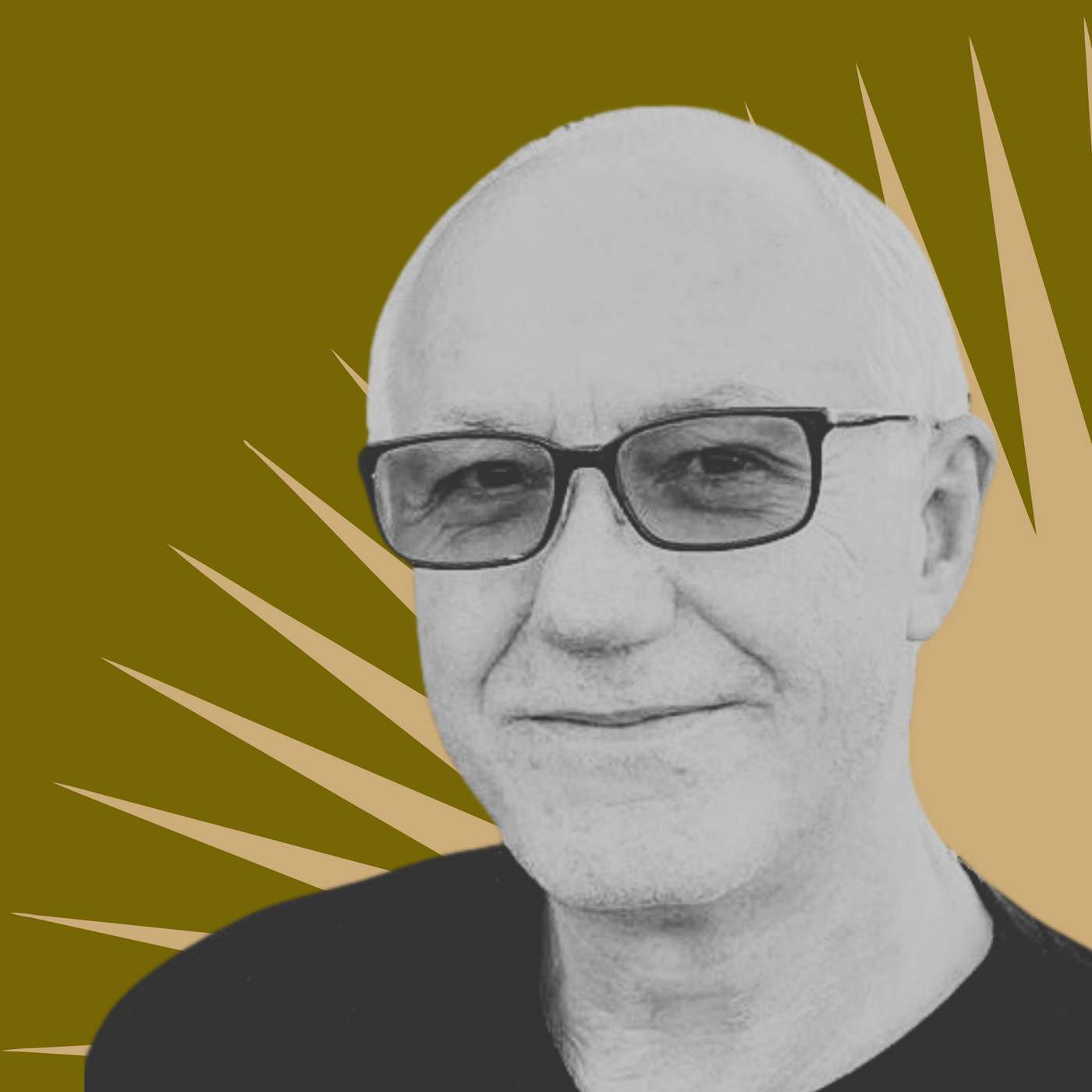
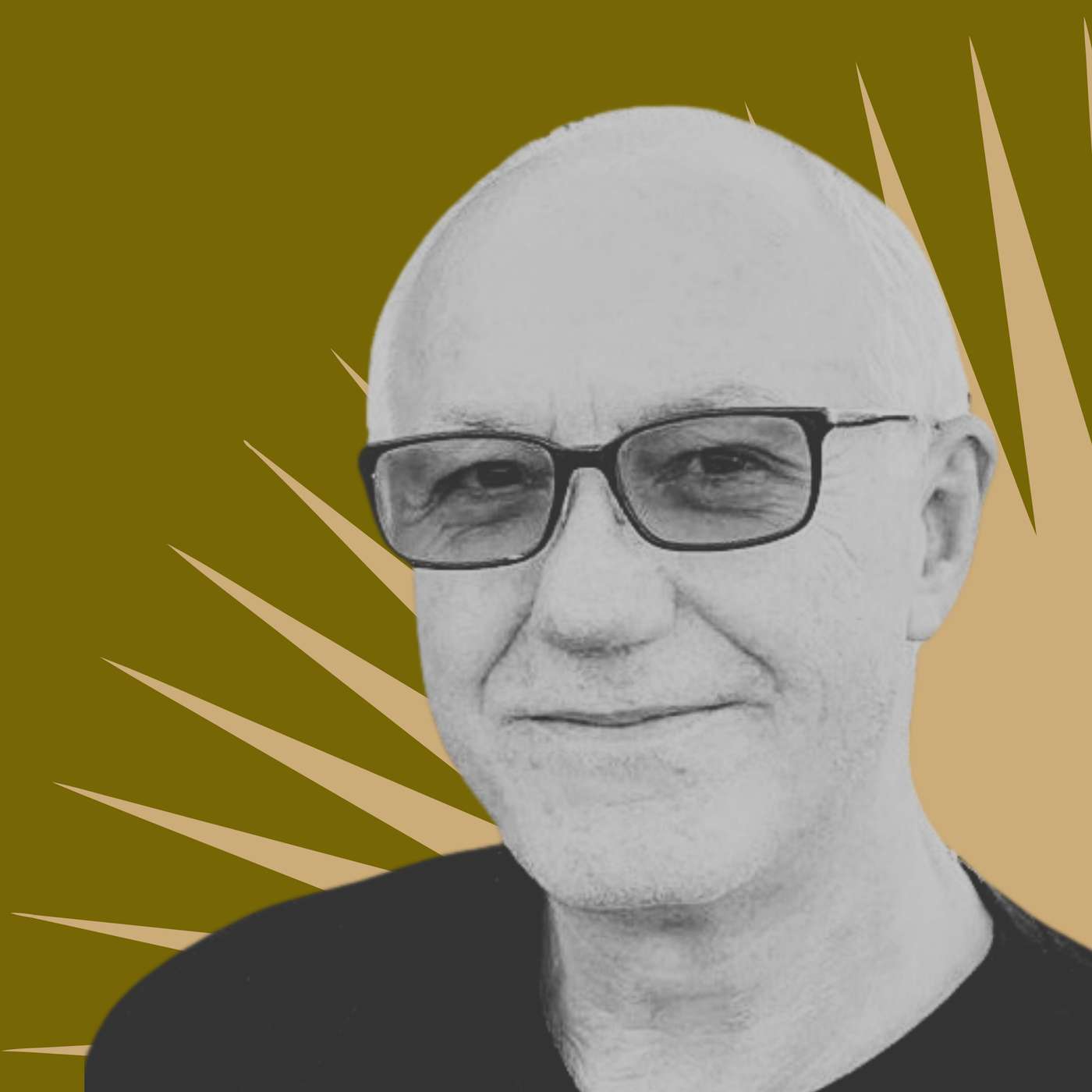
Nicholas Carr writes about the human consequences of technology. His books, including the Pulitzer Prize finalist The Shallows: What the Internet Is Doing to Our Brains and the forthcoming Superbloom: How Technologies of Connection Tear Us Apart, have been translated into more than twenty-five languages. He has recently been a visiting professor of sociology at Williams College, and earlier in his career he was executive editor of the Harvard Business Review. In 2015, he received the Neil Postman Award for Career Achievement in Public Intellectual Activity from the Media Ecology Association. He writes the Substack newsletter New Cartographies. A New York Times bestseller when it was first published in 2010 and now hailed as “a modern classic,” Carr’s The Shallows remains a touchstone for debates on the internet’s effects on our thoughts and perceptions. A second edition of The Shallows, updated with a new chapter, was published in 2020. Carr’s 2014 book The Glass Cage: Automation and Us, which the New York Review of Books called a “chastening meditation on the human future,” examines the personal and social consequences of our ever growing dependency on computers, robots, and artificial intelligence. His latest book, Utopia Is Creepy, published in 2016, collects his best essays, blog posts, and other writings from the past dozen years. The collection is “by turns wry and revelatory,” wrote Discover. Carr is also the author of two other influential books, The Big Switch: Rewiring the World, from Edison to Google (2008), which the Financial Times called “the best read so far about the significance of the shift to cloud computing,” and Does IT Matter? (2004).
Named as one of the "100 most connected men" by GQ magazine, Andrew Keen is amongst the world's best known broadcasters and commentators. In addition to presenting KEEN ON, he is the host of the long-running How To Fix Democracy show. He is also the author of four prescient books about digital technology: CULT OF THE AMATEUR, DIGITAL VERTIGO, THE INTERNET IS NOT THE ANSWER and HOW TO FIX THE FUTURE. Andrew lives in San Francisco, is married to Cassandra Knight, Google's VP of Litigation & Discovery, and has two grown children.
Keen On is a reader-supported publication. To receive new posts and support my work, consider becoming a free or paid subscriber.
This is a public episode. If you'd like to discuss this with other subscribers or get access to bonus episodes, visit
keenon.substack.com/subscribe