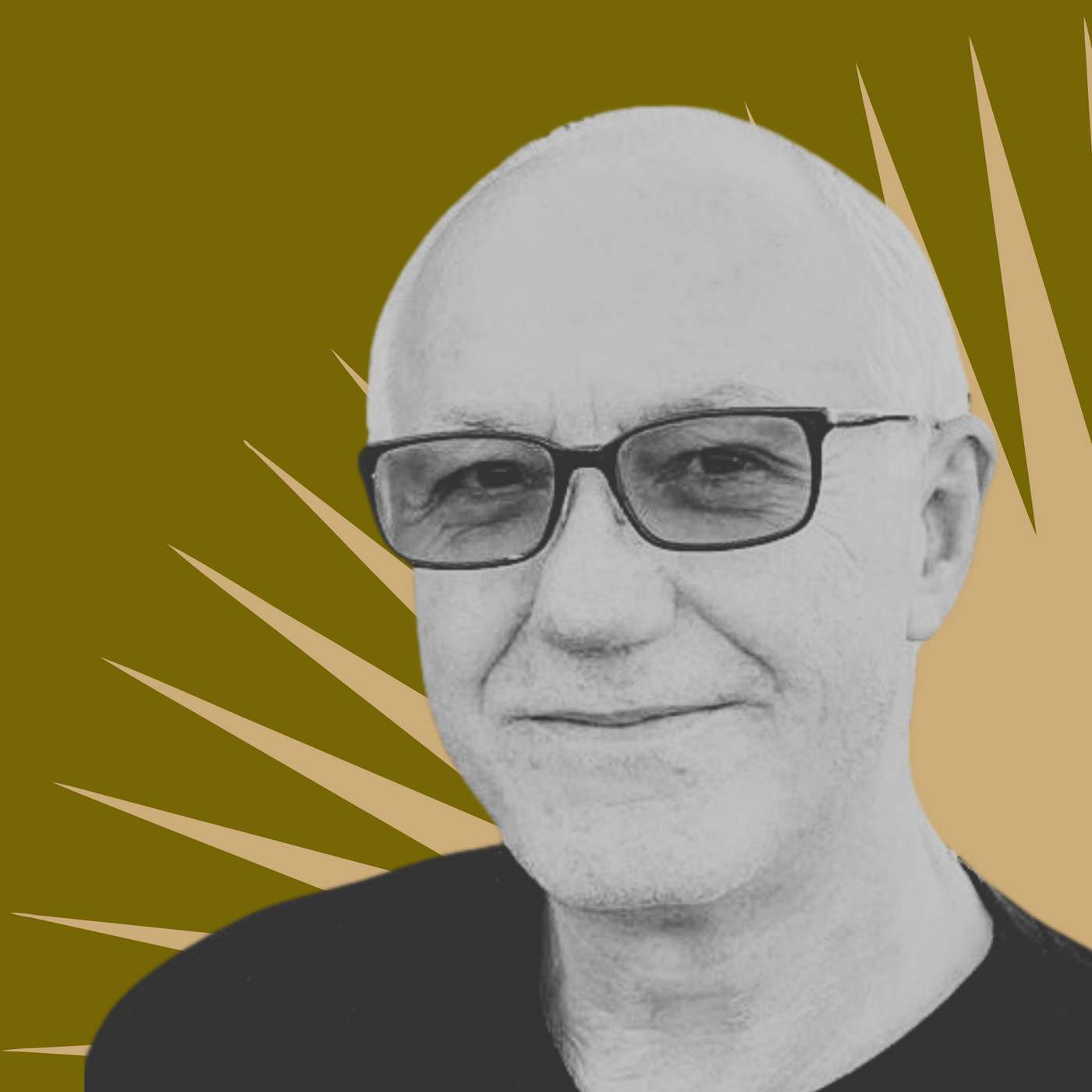
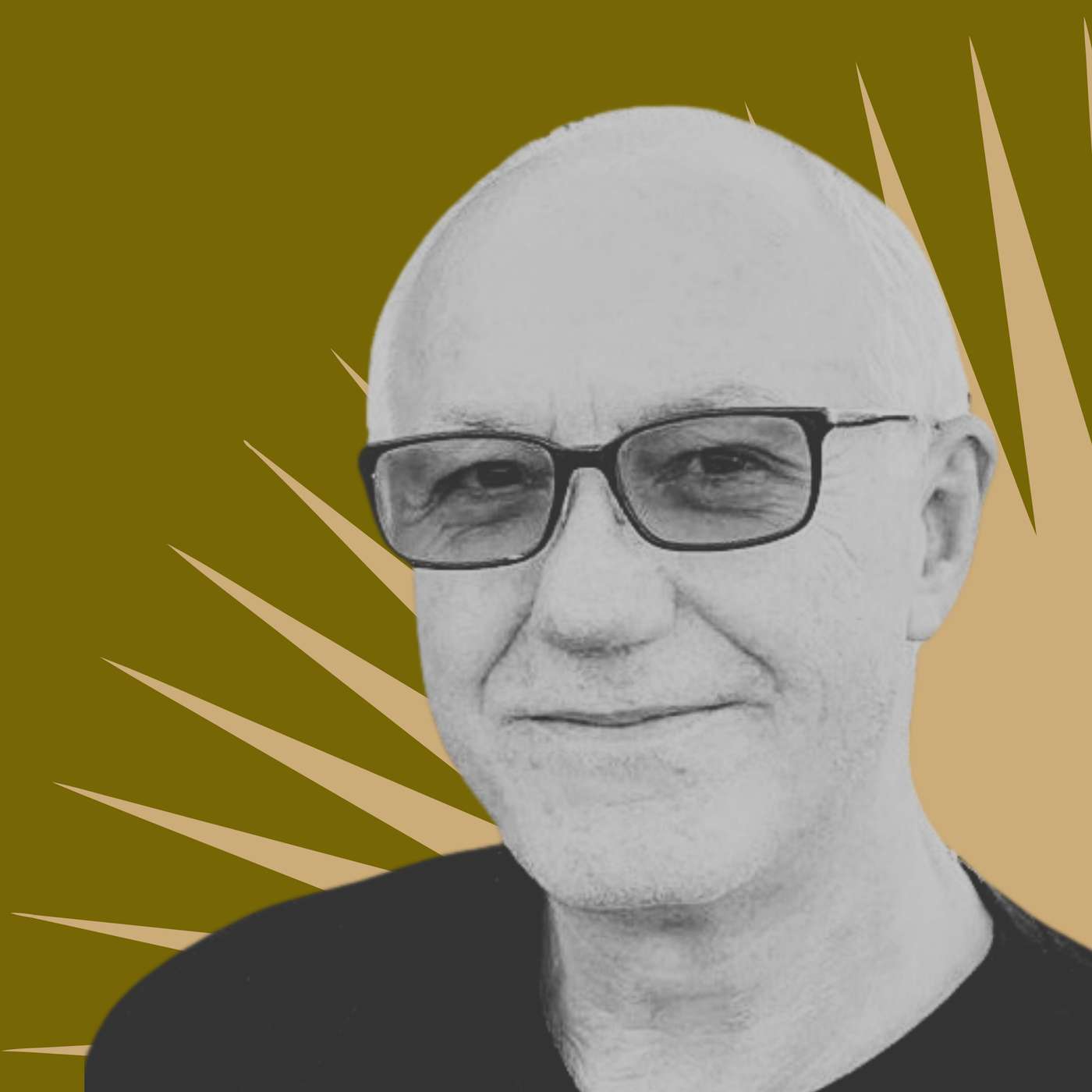
Shaka Senghor is one of America’s great survivors. Having spent 19 years in high-security prison, he has reinvented himself as a best-selling writer and public speaker on individual freedom and responsibility. In his new book, How to Be Free, Senghor argues that everyone — inside and outside jail — lives in hidden prisons of trauma, shame, and grief. Drawing from his own personal transformation in solitary confinement, he offers practical tools for emancipation from mental and emotional captivity. Senghor’s remarkable work and life embody the quintessentially American belief in that most magical of things - the second chance.
1. Mental prisons are often harder to escape than physical ones Senghor argues that the psychological barriers of trauma, shame, and grief can be more confining than actual prison bars, affecting people across all walks of life.
2. Literacy was his lifeline to transformation Being able to read at an above-average level (compared to the typical third-grade reading level in prison) allowed him to turn prison into his personal university and begin his mental transformation.
3. Freedom begins internally, not externally He freed himself mentally while still in solitary confinement by journaling, meditation, and envisioning a different future - proving that true liberation starts from within.
4. America's criminal justice paradox reflects broader societal issues The country that prides itself on freedom has the world's largest prison population, highlighting deeper systemic inequalities in education, resources, and opportunity across different communities.
5. Shared humanity transcends circumstances Despite his unique background, Senghor discovered that people from all levels of society - from Silicon Valley executives to fellow inmates - struggle with similar emotional and psychological challenges, suggesting universal tools for healing and growth.
Keen On America is a reader-supported publication. To receive new posts and support my work, consider becoming a free or paid subscriber.
This is a public episode. If you'd like to discuss this with other subscribers or get access to bonus episodes, visit
keenon.substack.com/subscribe