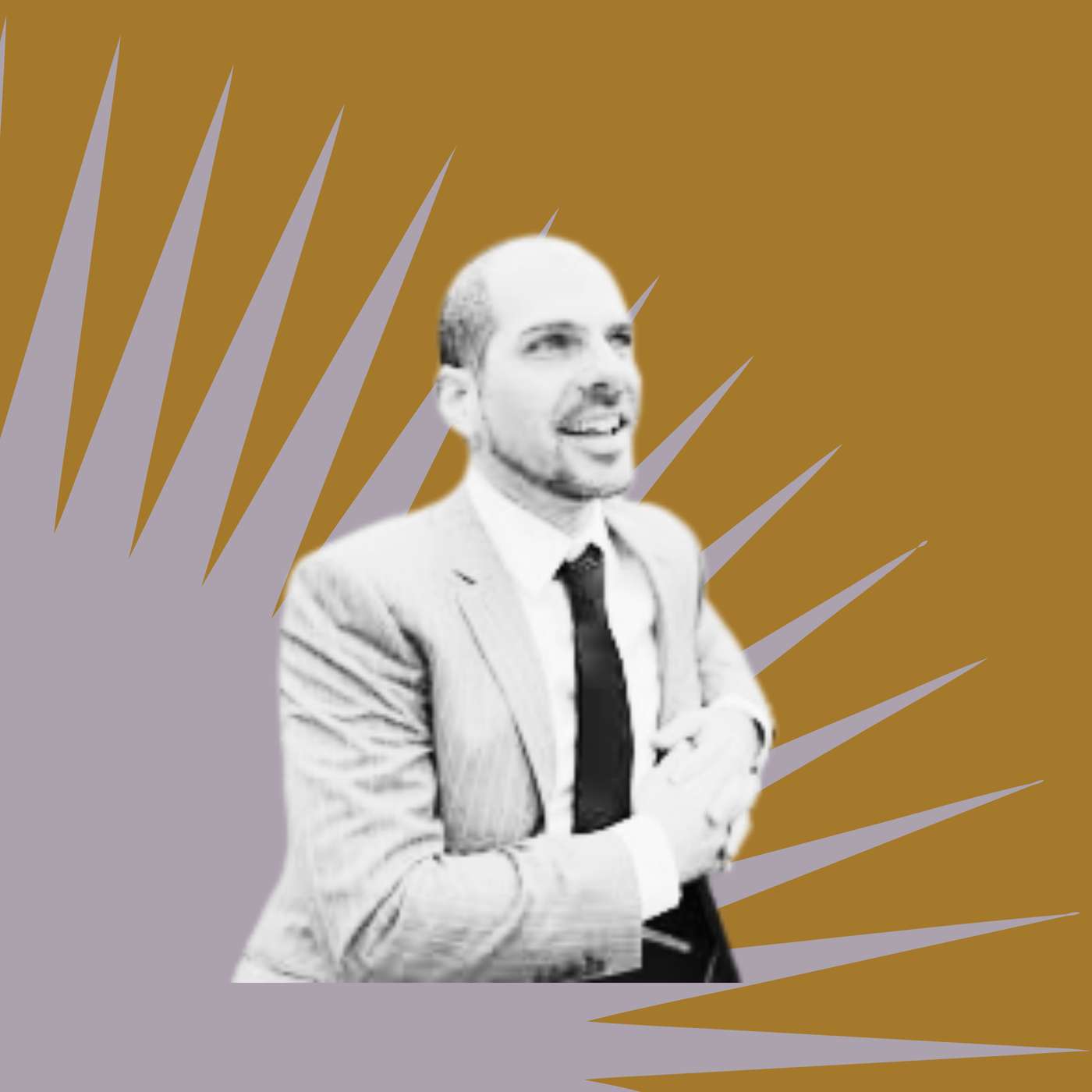
In what climate pessimists define as our environmentally apocalyptic times, we’ve become the metaphorical frog in the boiling water. That, at least, is the bleak conclusion of Roy Scranton, the author of Impasse, a new book about climate change and the end of technological progress. For the deeply pessimistic Scranton, the planet is screwed. So the real question is how we can live ethically in these environmentally apocalyptic times. Drawing on his experience as a soldier in Iraq, where he learned to accept death as an everyday spiritual practice, Scranton argues we must abandon fantasies of technological salvation, focusing instead on local community work and the humility of practical good works. This way to the stove, ladies and gentlemen. Our future will be boiling.
1. We're the "Frog in Boiling Water" - Humans adapt so quickly to gradual environmental changes (like rising temperatures) that we normalize catastrophic shifts, making it nearly impossible to recognize existential threats until it's too late.
2. Progress is a Dangerous Myth - Our faith that more technology and science will solve climate change is misguided. Energy transitions historically add new sources rather than replace old ones - we used more coal last year than ever before, despite renewable growth.
3. Embrace "Ethical Pessimism" - Instead of clinging to hope for global solutions, we should accept that civilization as we know it may not survive and focus on how to live ethically within that reality.
4. Think Local, Abandon Global - Rather than trying to "save the world," focus on your immediate community and relationships. Do practical good works where you can actually make a difference in people's daily lives.
5. Learn to "Die" Spiritually - Drawing from his military experience in Iraq, Scranton advocates accepting mortality (personal and civilizational) as a daily practice to free yourself for meaningful action in the present moment, without attachment to future outcomes.
The core message: Stop fantasizing about technological salvation and start practicing humble, local ethics in the face of inevitably catastrophic change.
Keen On America is a reader-supported publication. To receive new posts and support my work, consider becoming a free or paid subscriber.
This is a public episode. If you'd like to discuss this with other subscribers or get access to bonus episodes, visit
keenon.substack.com/subscribe