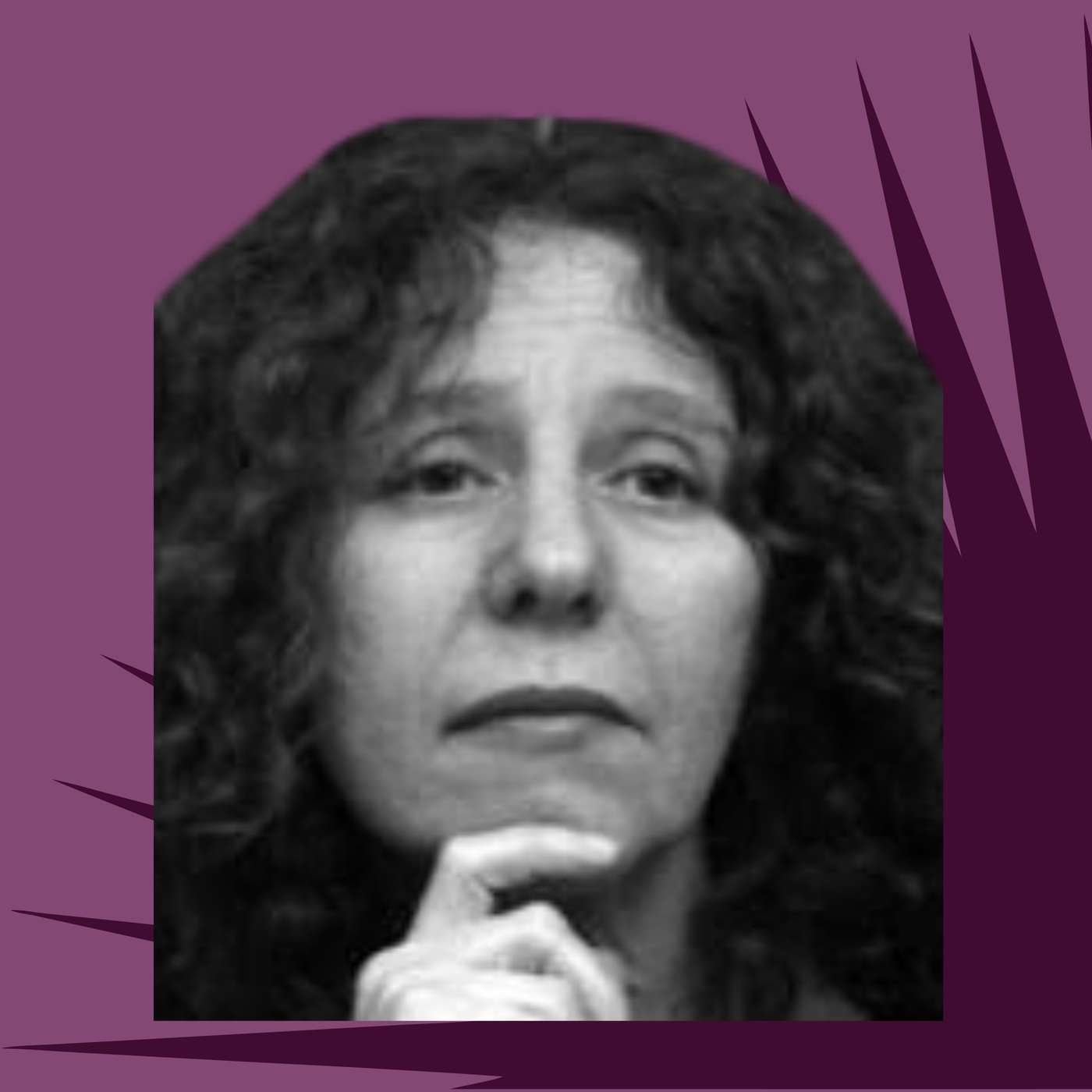
America is not only a good country, but it can also make the world a better place. That’s the somewhat surprising conclusion of the progressive Washington Post columnist Shadi Hamid, whose new book, The Case for American Power, argues that America remains the one great power that can improve the world. Hamid, once a militant anti-Iraq War campus activist, has undergone a striking ideological journey in the quarter-century since 9/11. The moral arc of his life now bends towards a practical, imperfect morality. This son of Egyptian immigrants champions American dominance over Chinese and Russian dictatorships—while insisting that hypocrisy, far from being a fatal flaw, is actually the homage that vice pays to virtue. The gap between American ideals and reality, he argues, is where moral progress happens. He even has a word for this: asymptote. Meaning that American idealism, while it can never fully be reached, is still of great value.
1. The Left Has Lost Faith in America—And the Numbers Prove It
In the early 2000s, 85% of Democrats were extremely or very proud to be American. By 2025, that number has plummeted to just 36%—one of the most precipitous drops in modern polling history. Hamid argues this self-loathing among progressives is dangerous, leaving a vacuum that allows illiberal powers like China and Russia to fill. The alternative to American power isn’t no power—it’s worse power.
2. Hypocrisy Isn’t a Bug, It’s a Feature
Drawing on French philosopher François de La Rochefoucauld, Hamid insists that “hypocrisy is the homage that vice pays to virtue.” America is accused of hypocrisy precisely because it aspires to ideals it often fails to meet. China and Russia are rarely called hypocrites—not because they’re more honest, but because they make no pretense of moral purpose. The gap between American ideals and reality is uncomfortable, but it’s also where progress happens. Close the gap by abandoning ideals, and you get pure cynicism.
3. George W. Bush Got Some Things Right (If You Take Out Iraq)
This is Hamid’s most counterintuitive argument. While the Iraq War was an unjustified disaster, Bush’s Freedom Agenda—pressuring allies like Egypt and Saudi Arabia to open their political systems—represented a fusion of power and moral purpose that Hamid admires. Bush spoke eloquently about universal human dignity and Arab aspirations for democracy. The problem wasn’t the idealism; it was the catastrophic application of military force where it wasn’t warranted.
4. Conditional Aid Is the Answer—Even for Israel
Hamid advocates suspending military aid to Egypt ($1.4 billion annually) and Saudi Arabia until they demonstrate meaningful reform: stopping journalist executions, allowing local elections, releasing dissidents. The same principle applies to Israel. Biden’s failure to condition aid during Gaza’s mass civilian casualties—what Hamid calls a genocide—represents an abdication of moral responsibility. These countries depend on American weapons. Washington should use that leverage to demand they share our values, not give them carte blanche.
5. Asymptote: The Mathematical Concept That Explains American Idealism
An asymptote is a curve that approaches a line but never quite intersects with it. This, Hamid argues, is America—perpetually striving toward ideals we’ll never fully achieve, but getting closer through incremental progress. We’ll never be perfect, but we can curve toward perfection. The right under Trump has abandoned even the pretense of aspiring to higher ideals. The left’s job is to reclaim that progressive tradition: reminding Americans that moral progress is possible, even if completion isn’t.
Keen On America is a reader-supported publication. To receive new posts and support my work, consider becoming a free or paid subscriber.
This is a public episode. If you'd like to discuss this with other subscribers or get access to bonus episodes, visit
keenon.substack.com/subscribe