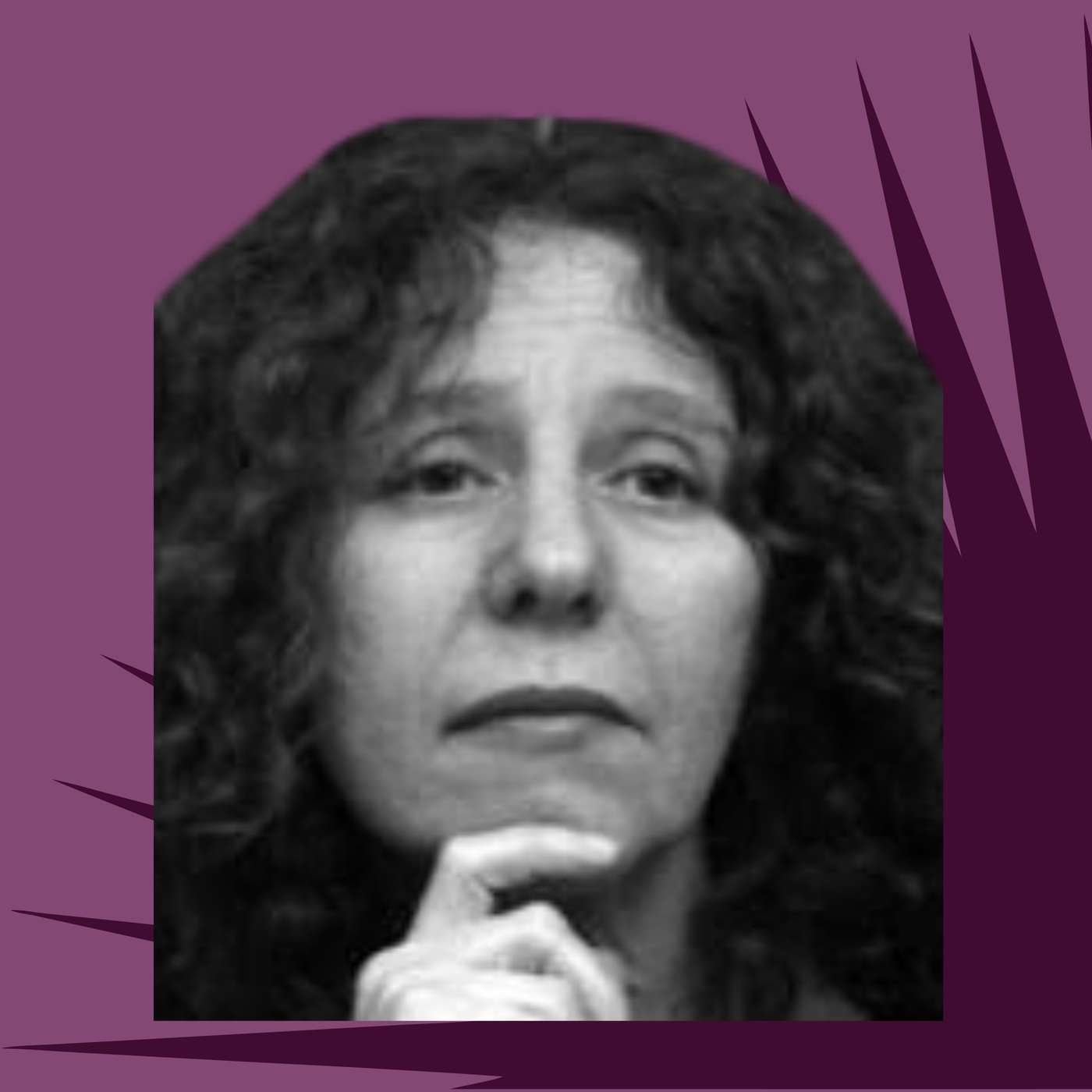
For financial journalist Elizabeth MacBride, the New American economy is like the old one - only worse. Describing it as the “Frankenstein version of neo-liberalism”, MacBride explains that business has overtaken government to create ever-more-powerful bankers like Larry Fink and Jamie Dimon. But all is not lost. In her upcoming new book, Capital Evolution, co-authored with the VC Seth Levine, MacBride argues that there’s a new consensus taking shape - what she calls “Dynamic Capitalism” - which balances profits with purpose. So if we can get beyond today’s neo-liberal Frankenstein moment, she promises, America will be able to address the great 21st-century challenges of inequality and climate change. I have to admit I’m not convinced. Rather than capital evolution, I see the growing political power of Wall Street players like Dimon and Fink. We shall see. But when a Wall Street CEO like Jamie Dimon announces $10 billion bets on national security (as he did early this week), it’s no surprise that the loudest calls these days are for revolution rather than evolution. Nor is it surprising that a 21st century version of Frankenstein - Mary Shelley’s apocalyptic 1818 warning about the destructive consequences of industrialization - will be appearing on Netflix next month.
1. Business Has Overtaken Government in Power and Influence
MacBride argues that CEOs like Jamie Dimon and Larry Fink now wield more power than most elected officials, yet remain fundamentally unaccountable. When Dimon announces $10 billion investments in national security, the lines between Wall Street and Washington have clearly blurred—perhaps irreversibly.
2. We’re Living in a “Frankenstein Version of Neo-Liberalism”
The current system isn’t classic neoliberalism but a corrupted mutation where government has been “co-opted and turned into a tool for punishing people.” The small-government ideology has created not freedom but a punitive state that serves corporate interests while abandoning its regulatory role.
3. “Dynamic Capitalism” Requires Long-Term Sacrifice—But Who’s Really Sacrificing?
MacBride believes trauma from climate change, inequality, and COVID is creating willingness for short-term sacrifice for long-term stability—similar to the post-WWII generation. But as the interviewer notes, when titans like Dimon and Fink talk about sacrifice, they only get richer. The question remains: whose sacrifice?
4. Trust Is the Currency of the New Economy—And It’s in Short Supply
In an age when institutions have weakened, MacBride advocates “trust but verify” as the operating principle. She argues figures like Dimon and Fink are “generally trustworthy” even if not “morally authoritative.” The interviewer’s skepticism about figures like PayPal’s Dan Schulman highlights how fragile this trust actually is.
5. New Coalitions Are Forming, But Revolution May Trump Evolution
MacBride sees evidence of consensus-building around stakeholder capitalism and long-term thinking, particularly among Democrats after their electoral losses. But her optimism about “capital evolution” may be wishful thinking when the loudest calls are for revolution, not gradual reform.
Keen On America is a reader-supported publication. To receive new posts and support my work, consider becoming a free or paid subscriber.
This is a public episode. If you'd like to discuss this with other subscribers or get access to bonus episodes, visit
keenon.substack.com/subscribe