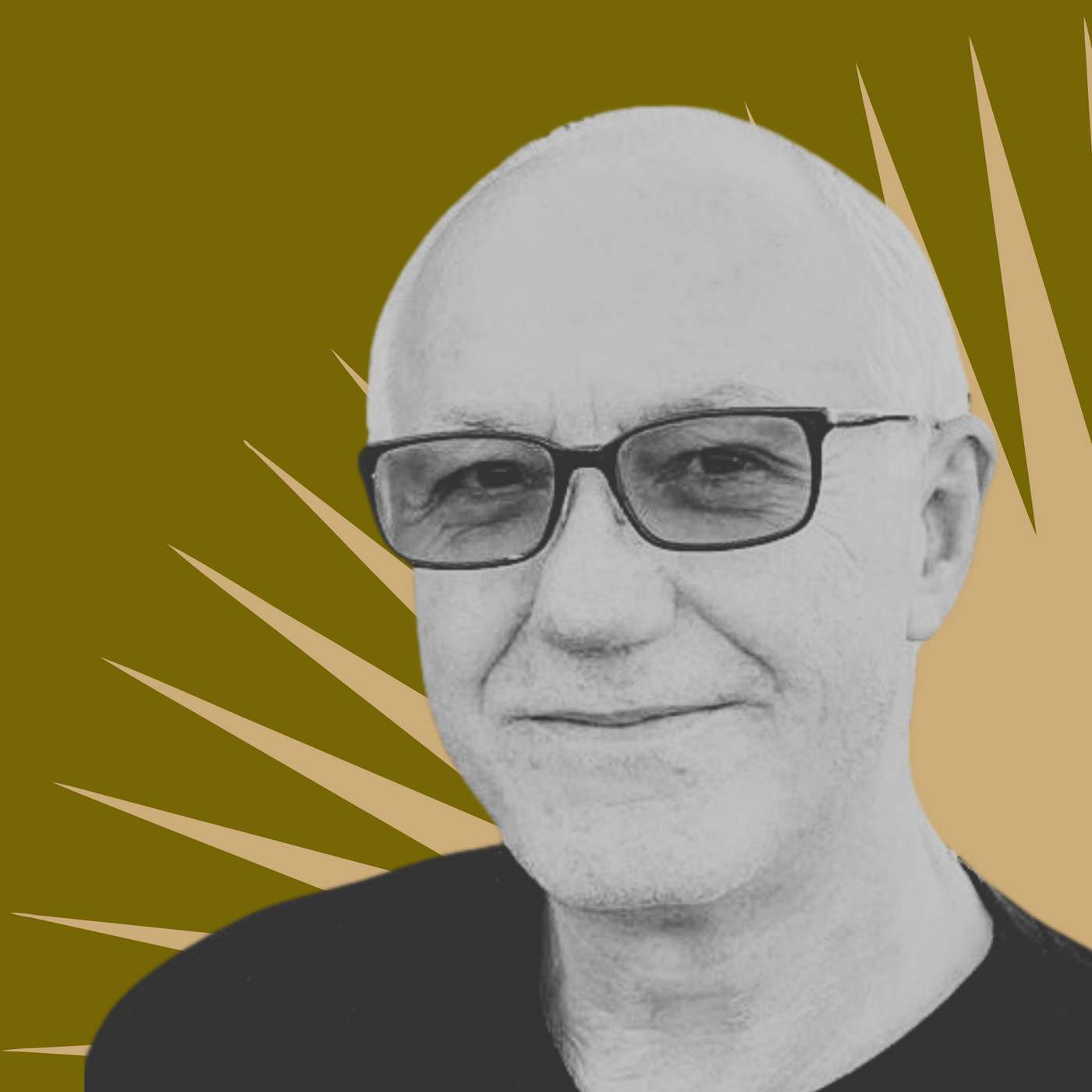
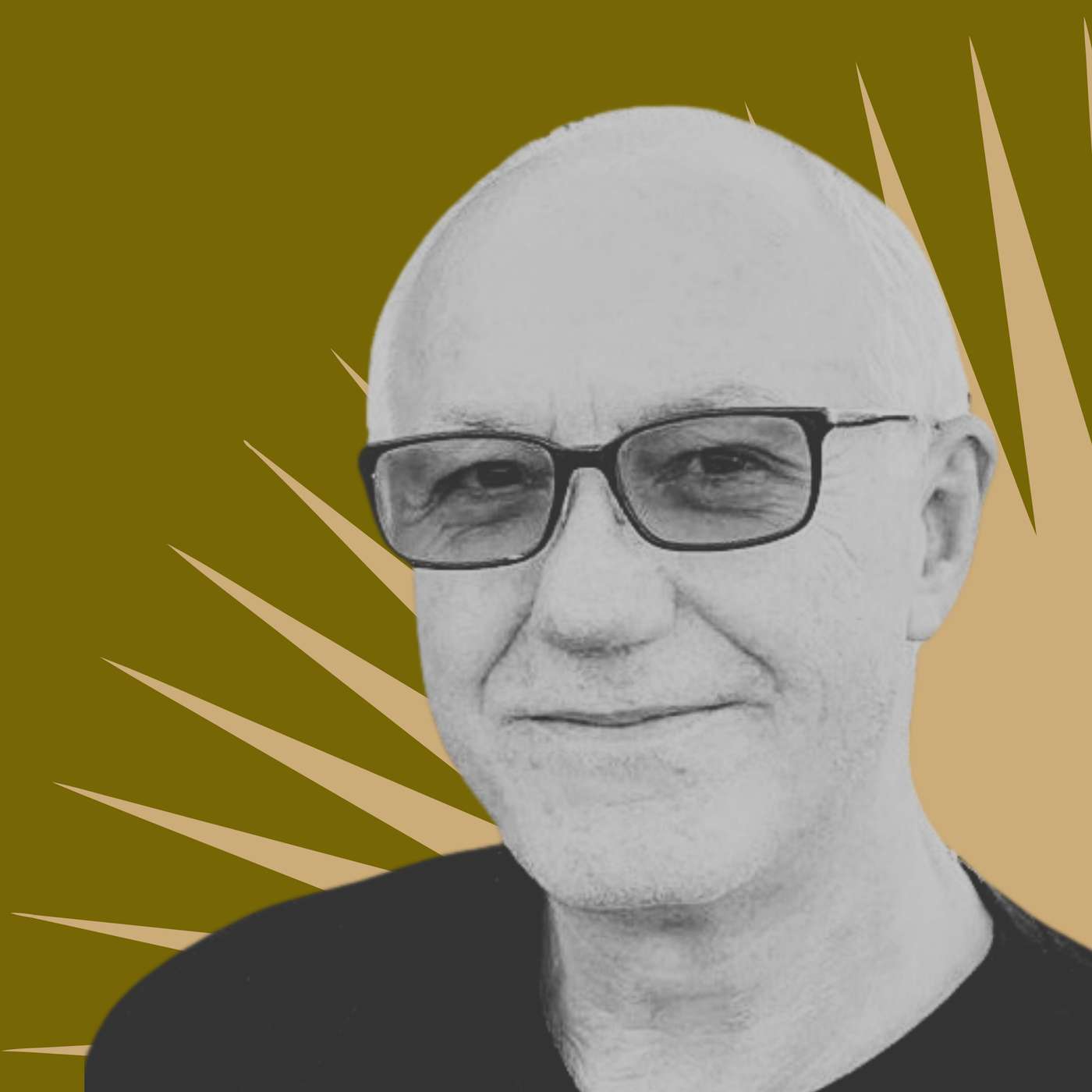
Those who do win. Those are Keith Teare’s immortal words to describe the winners of today’s Silicon Valley battle to control tomorrow’s AI world. But the real question, of course, is what to do to win this war. The battle (to excuse all these blunt military metaphors) is to assemble the AI pieces to reassemble what Keith calls the “jigsaw” of our new chat centric world. And to do that, the veteran start-up entrepreneur advises, requires owning “the front door”. Yet as Keith acknowledges, we're still in the AltaVista era of AI—multiple contenders fighting for dominance before a Google-like winner emerges. His key insight is that “attachment becomes the moat”. Users develop emotional bonds with their preferred AI interface, creating switching costs that transform temporary advantages into permanent market positions. Multi-trillion dollar success belongs to whoever builds the stickiest, most indispensable gateway to our AI-native future. Those who do that will win; those who don’t, will not.
1. We're in the "AltaVista era" of AI - Multiple players (OpenAI, Google, Anthropic, Perplexity) are competing for dominance, but like the early search engine wars, one will likely emerge as the clear winner within 1-2 years.
2. "Attachment becomes the moat" - Users develop emotional bonds with their preferred AI interface that create powerful switching costs. Keith uses Claude for coding and won't switch despite trying alternatives, demonstrating how user loyalty becomes a competitive advantage.
3. The shift from "page-based" to "AI-native" internet - We're moving from a web of URLs and content pages to one where every interaction starts with human-AI conversation. The browser is becoming yesterday's technology.
4. Publishers aren't doomed but are unprepared - The monetization model will evolve from traditional advertising to contextual links surfaced by AI. Publishers will eventually "beg to be included" and AI companies will pay for training content while driving traffic through relevant links.
5. The "jigsaw pieces" already exist across industries - In healthcare, finance, and other sectors, all the components needed for AI transformation are available but need assembly. Whoever puts these pieces together first in each field will become massive companies - potentially the world's biggest in their respective industries.
Keen On America is a reader-supported publication. To receive new posts and support my work, consider becoming a free or paid subscriber.
This is a public episode. If you'd like to discuss this with other subscribers or get access to bonus episodes, visit
keenon.substack.com/subscribe