It hasn’t always been easy being Gary Marcus these last few years. OpenAI’s most persistently outspoken AI sceptic has been in minority, sometimes of one, in his critique both of Sam Altman’s claims about the imminence of AGI as well as the general “intelligence” and economic viability of ChatGPT. Since the supposedly “botched” release of GPT-5, however, even Sam Altman seems to want to be Gary Marcus. For Gary, who has endured what he diplomatically calls "an unbelievable amount of s**t" for his contrarian views, the irony is particularly delicious. He now finds himself vindicated as the very company he's criticized adopts his language of caution and scaled-back expectations. "It's not that I'm becoming like him," Gary says about Sam with Marcusian humility, "but that he's becoming like me." Rather than Son of Sam, OpenAI is now the Son of Gary story.
1. The GPT-5 Reality Check Changed Everything
GPT-5's underwhelming performance—described as barely different from GPT-4.1—shattered the industry's faith in scaling. After 34 months of development and unprecedented hype, it delivered incremental improvements rather than the "quantum leap" promised, fundamentally shifting Silicon Valley's narrative from exponential progress to diminishing returns.
2. OpenAI is Burning Cash Despite Record Revenue
Despite making a record $1 billion last month and being valued at $300 billion, OpenAI is losing approximately $1 billion monthly and has never turned a profit. The company faces a severe cash flow crisis with only 6-18 months of runway, forcing Altman into constant fundraising cycles at ever-higher valuations.
3. The AI Bubble Could Trigger Market Contagion
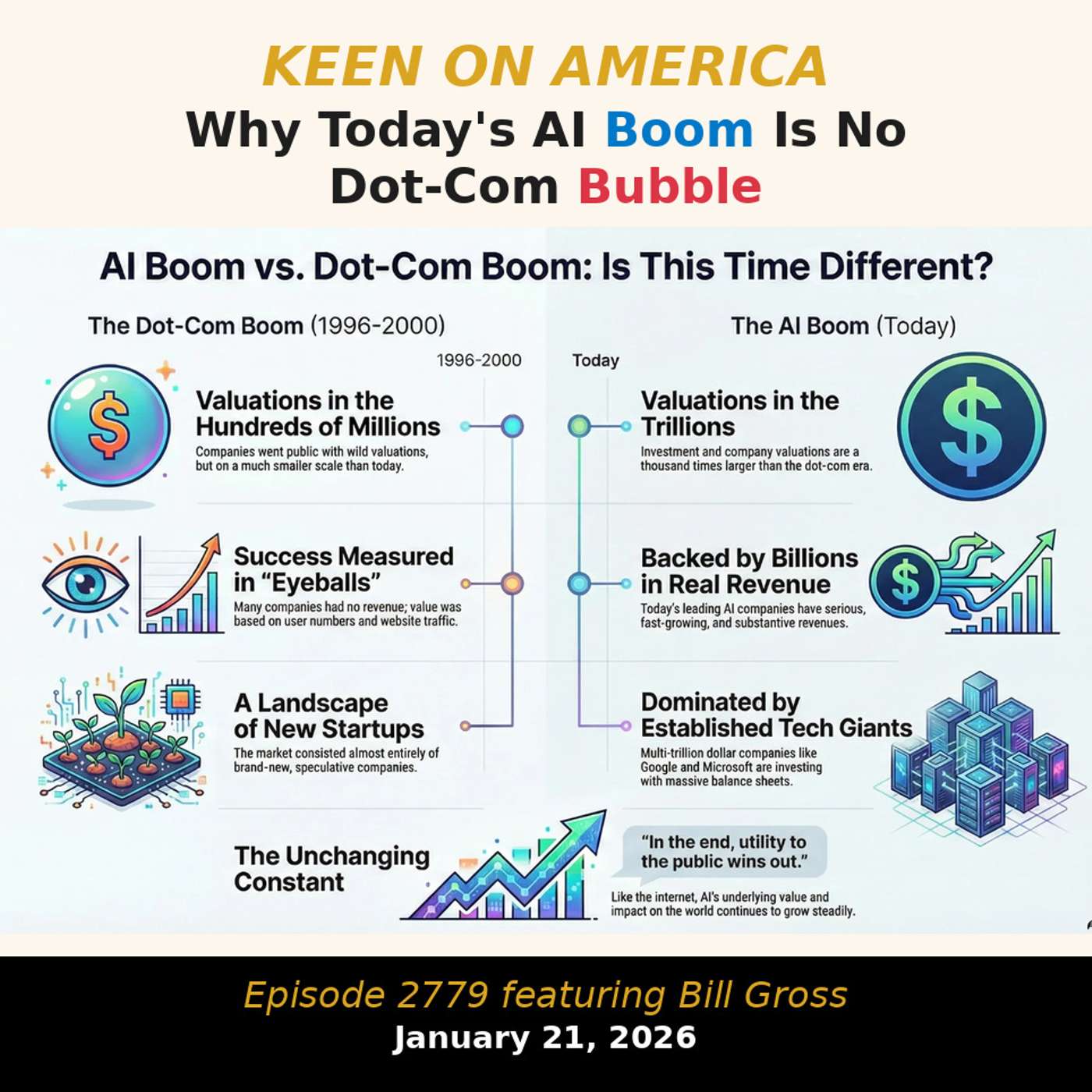
OpenAI's inflated valuation props up NVIDIA's $5 trillion market cap, which depends on insatiable AI chip demand. If even one major AI company scales back purchases or fails, the ripple effects could devastate pension funds and trigger broader market corrections, making this potentially more dangerous than the dot-com bubble.
4. Surveillance Monetization is OpenAI's Next Move
With AGI proving elusive, OpenAI will likely pivot to monetizing the vast personal data users share with ChatGPT—turning users into products like Facebook did. Marcus predicts this shift toward surveillance capitalism, especially with their rumored hardware device partnership with Johnny Ive.
5. The Industry's Intellectual Monoculture is Breaking
The field's unprecedented focus on large language models to the exclusion of other approaches created "the least intellectual diversification in AI's 80-year history." As scaling hits limits, the industry must diversify into neuro-symbolic AI and other paradigms that Marcus has long championed.
Keen On America is a reader-supported publication. To receive new posts and support my work, consider becoming a free or paid subscriber.
This is a public episode. If you'd like to discuss this with other subscribers or get access to bonus episodes, visit
keenon.substack.com/subscribe