Increased risk of dementia with night terrors

Increased risk of dementia with night terrors

Author: Mental Health Training Information September 26, 2022 Duration: 8:12

According to the World Health Organization (WHO), over 50 million people worldwide have dementia today. By 2050, this number is expected to surpass 131 million.

In most cases, dementia is connected to Alzheimer's disease. 

Unfortunately, its symptoms often go unnoticed until they become too severe to treat. If left untreated, Alzheimer's disease (AD) can eventually result in death, and early detection and treatment could help prevent or slow down the progression of the disease.

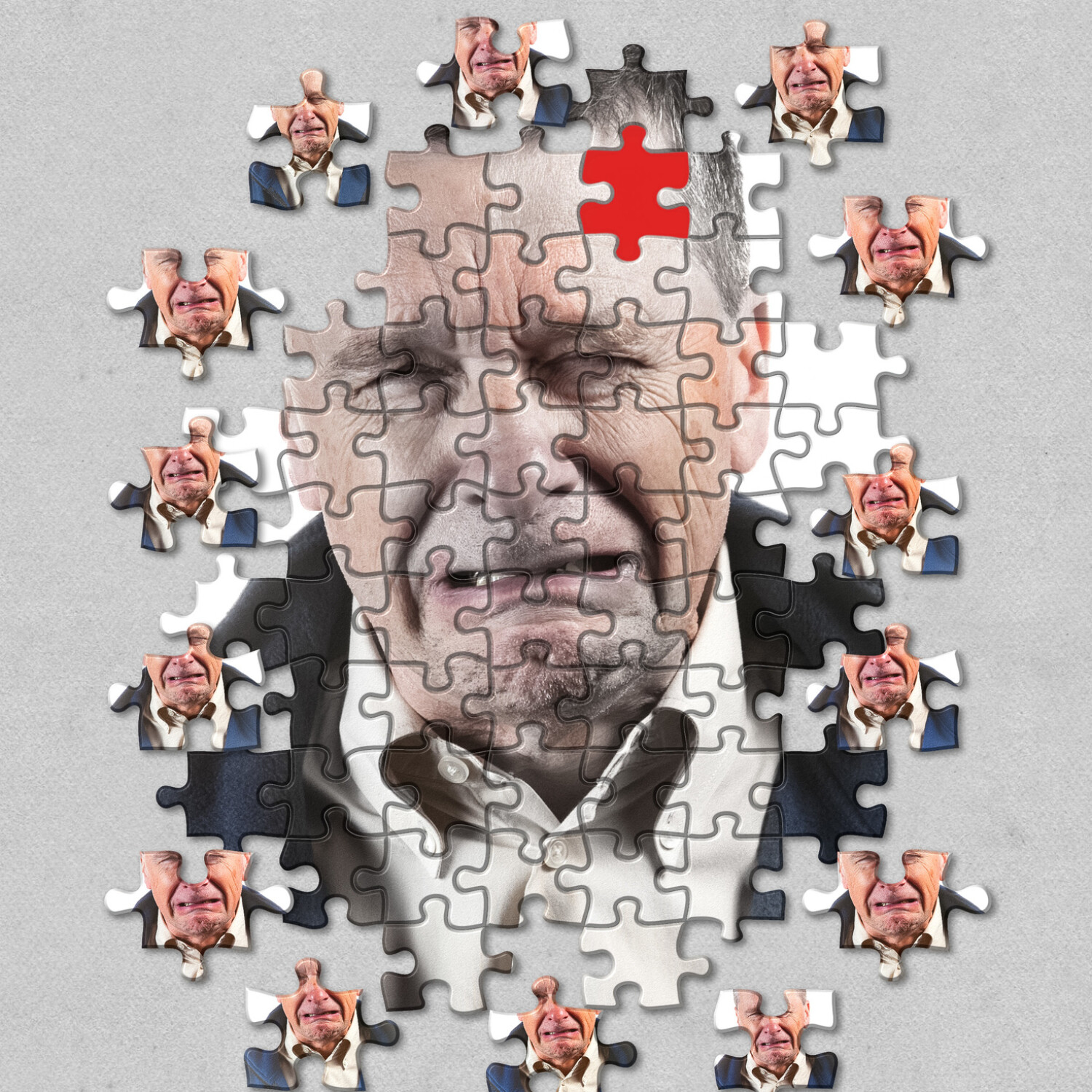
New research published in The Lancet shows that those who experience frequent night terrors are at greater risk for developing Alzheimer's disease later in life.

The prevalence of dementia has increased with life expectancy: more than one-third of individuals over 80 are likely to develop dementia. 

Approximately 5% of adults experience nightmares weekly, becoming more frequent with advancing age.

A study saw that distressing dreams become more common years or even decades before thinking and memory problems set in.

People who had weekly nightmares from 34 to 64 were four times more likely to suffer cognitive decline over the next ten years.

People aged 79 and over were twice as likely to be diagnosed with dementia if they also had recurring bad dreams, with the link strongest in men.

We've shown for the first time that disturbing dreams, or nightmares, may increase the risk of developing Alzheimer's disease and cognitive decline later in life.  Because there are so few risk factors for Alzheimer's that can be detected before people reach their 50s, we consider that dream disturbances could be one of them.

While further study is needed to confirm these links, 

we believe that nightmares may be an effective method for identifying people likely to develop Alzheimer's disease and putting strategies to slow down its development in place.  

The cohort study examined data from three groups of people in the US. 

At the beginning of the study, all participants were free of dementia and Parkinson's disease and were tested for episodic memory impairment.  Afterwards, they were asked about their sleep quality, and these measures were compared with test scores indicating their cognitive function.

Those with frequent nightmares were five times more likely to acquire Alzheimer's disease than those without them.  In females, the increased risk was reduced to 41%. They predicted a strong association between cognitive decline and dementia among men. 

If somebody can graphically remember their dreams, it might indicate they are at risk.

What if we could spot dementia before symptoms started? The hope is to recognise the disease before the cognitive deficits have reached the prodromal stage of dementia, before irreversible brain damage or mental decline. Mild cognitive symptoms appear, but they do not interfere with daily activities, and this may be tricky to distinguish from normal ageing or dementia. 

However, these findings align with several recent investigations that showed disturbing nightmares also predict faster cognitive decline and dementia in people with Parkinson's. 

However, this association is not just specific to individuals with Parkinson's disease and can be inferred to the general population.

Learn more:

We all navigate a world that constantly tests our emotional and psychological resilience, yet practical guidance on maintaining mental well-being can feel scattered or overly clinical. Mental Health Training cuts through the noise, offering grounded conversations that connect the dots between personal fitness, our cultural environment, and the health of our relationships. Hosted by Mental Health Training Information, each episode functions like an accessible workshop, translating complex psychological concepts into everyday language and actionable strategies. You’ll hear discussions that range from managing daily stressors and building emotional fitness to understanding how societal pressures shape our individual mental landscapes. This isn't about quick fixes; it's about cultivating a sustainable, informed approach to your inner life. The podcast draws from a broad spectrum of expertise, reflecting its roots in education and society, to provide listeners with a comprehensive toolkit. Tune in for a thoughtful blend of personal stories, expert insights, and practical exercises designed to strengthen your mental framework. Find more depth and continue the conversation beyond the audio by visiting the show's website for extended resources. This is a space for anyone looking to move beyond awareness and into the practice of genuine mental health training.
Author: Language: English Episodes: 100

Mental Health Training
Podcast Episodes
Co-dependency Malaise [not-audio_url] [/not-audio_url]

Duration: 14:49
Co-dependency Malaise Robert Burney once coined the term “co-dependent” in the 1940s and defined it as someone who depends on another person to meet their emotional needs. Co-dependency is putting somebody else’s needs b…
Is my inner voice driving me mad? [not-audio_url] [/not-audio_url]

Duration: 24:28
Is my inner voice driving me mad? So many terms have been used to indicate the inner voice, also known as inner monologue, internal dialogue, inner speech, verbal thoughts and the voice or chatter inside your head. Does…
Early Signs of Depression in Females [not-audio_url] [/not-audio_url]

Duration: 16:10
According to the National Institute of Mental Health (NIMH), nearly 20 million Americans each year have a mental illness. These include major depressive disorder (MDD) and dysthymia, both considered forms of clinical dep…
Traits Of A Good Friend [not-audio_url] [/not-audio_url]

Duration: 7:00
Traits Of A Good Friend Friendship is a crucial element in protecting our mental health and well-being. Thereby allowing you to share positive experiences and provide emotional support when needed. Friendships can range…
Seven Truths about Fear You Need to Know [not-audio_url] [/not-audio_url]

Duration: 2:22
7 Truths about Fear You Need to Know Fear. It’s more than a reaction to a scary film. Fear is a deep-seated emotion that leads to anxiety and worries, with the added component of adrenaline guaranteed to keep your heart…
A brief introduction to mental illness [not-audio_url] [/not-audio_url]

Duration: 22:41
A brief introduction to mental illness I’m sure you’ve heard about mental health issues before. And yes, they affect millions of us every year. But did you know that over half of us may experience some mental disorder at…
The Lies We Tell Ourselves [not-audio_url] [/not-audio_url]

Duration: 5:49
The Lies We Tell Ourselves I am sure most of us consider ourselves to be honest people. Outside of the odd white lie, we find it difficult to lie to our friends and loved ones. This makes it all the more confusing than t…
Anxiety on Mental Health and Wellbeing [not-audio_url] [/not-audio_url]

Duration: 10:31
Anxiety on Mental Health and Wellbeing If you’re having trouble sleeping well or feeling anxious most days, you probably aren’t alone because over 40 million Americans yearly suffer from anxiety disorders. Excessive worr…
The Power Of Adaptability [not-audio_url] [/not-audio_url]

Duration: 3:42
The Power Of Adaptability Did you know that the ancient Chinese symbol for “crisis” is precisely the same as the symbol for “opportunity?” Seeing problems as opportunities is the best way to succeed in business and life.…
How to survive a heatwave [not-audio_url] [/not-audio_url]

Duration: 16:28
Heatwaves are silent killers, and the death toll is often recognised only months after the official figures emerge. If heatwaves were named as storms to highlight the risk they pose, the dangers would be more widely reco…