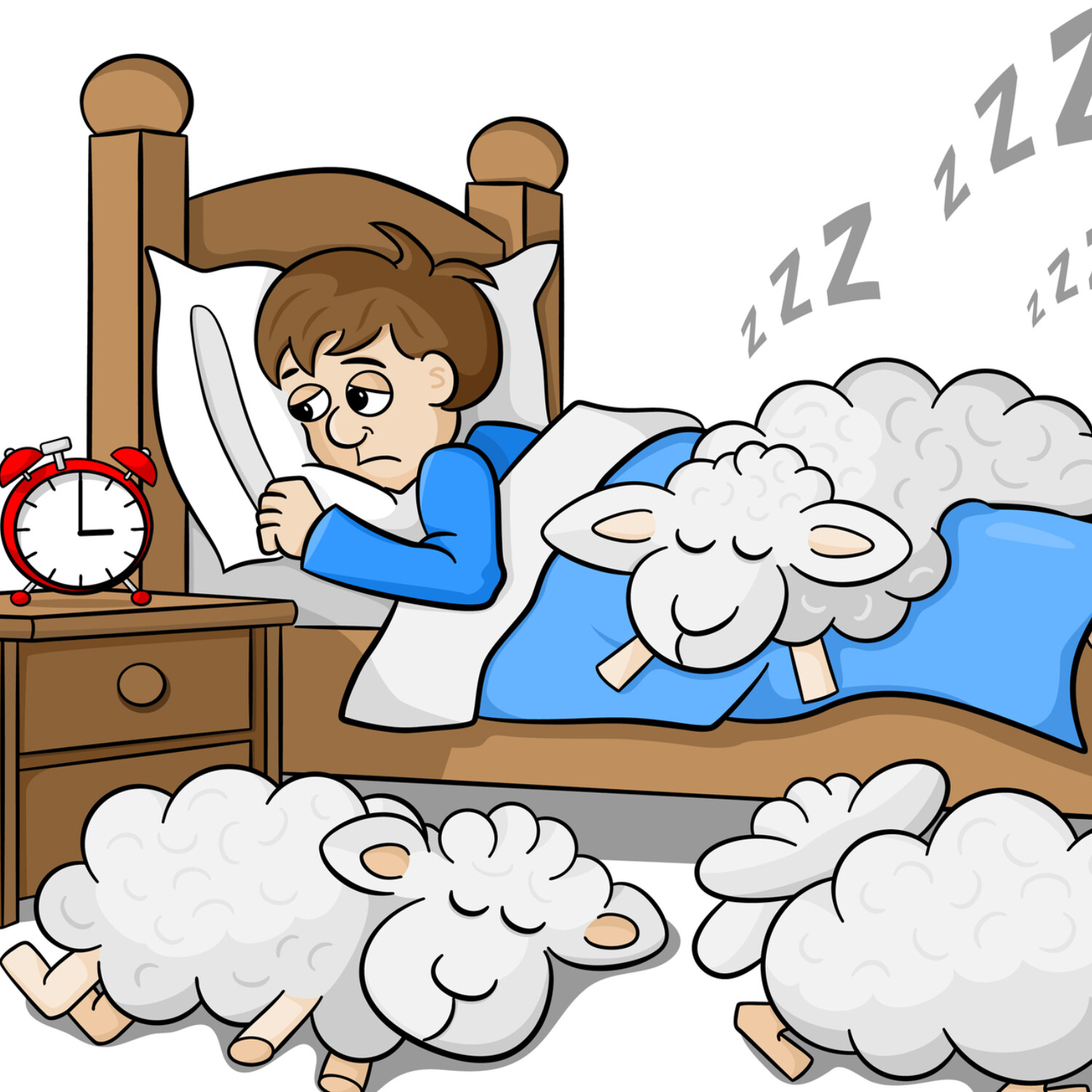
Is my inner voice driving me mad?

Is my inner voice driving me mad?

Author: Mental Health Training Information October 4, 2022 Duration: 24:28

Is my inner voice driving me mad?

So many terms have been used to indicate the inner voice, also known as inner monologue, internal dialogue, inner speech, verbal thoughts and the voice or chatter inside your head.

Does Everyone Have an Inner Voice?

In most cases, the term “inner voice” refers to the constant stream of thoughts that run through our heads. 

Such thoughts are a sort of conversation with themselves in their mind. For those individuals who talk to themselves, the phenomenon is called Inner speech having most of the same characteristics as external speech except that no external sounds are produced: it can proceed at the same rate of speed and pitch, with the same emotion as external speech. 

Inner speech is frequent but not for everyone, and those thoughts can be positive or negative, depending on whether they serve us or harm you. 

For example, if you are anxious about a test, your inner voice will tell you that you will fail. Such thoughts will cause stress and anxiety, negatively affecting your performance and ultimately becoming a self-fulfilling prophecy. 

Some individual differences exist—some people talk to themselves a lot, some never, and some occasionally.

We all have a voice in our head in some shape or form, and most people are conscious of an inner voice that provides a running monologue throughout their lives. This inner voice, or self-talk, combining conscious thoughts and unconscious beliefs and biases, providing a way for the brain to interpret and process daily experiences, is then considered a hypothetical doorway between the self and the physical world.

Another skill that appears linked to inner speech is silent reading. While children learning to read often need to read aloud. The brain’s two hemispheres are not identical twins, with the dominant left supervising inner speech and the right hemisphere observing social speech as an articulatory rehearsal. 

It shouldn’t be surprising to learn that articulatory rehearsal in dementia is disrupted, along with inner speech. A case study was taken over two decades ago on a 69-year-old man with dementia. During this period, the patient started reading aloud at bedtime, annoying his wife. His voice was thunderous, and it was difficult for him to stop. Moreover, he often spoke aloud to himself during the day or suddenly began singing, all features very unusual for him. Suggesting a prefrontal inhibitory role in the control of inner speech via an early loss of speechless reading was an initial indication of early onset frontotemporal dementia due to executive dysfunction caused by frontal lobe damage. 

Read more


We all navigate a world that constantly tests our emotional and psychological resilience, yet practical guidance on maintaining mental well-being can feel scattered or overly clinical. Mental Health Training cuts through the noise, offering grounded conversations that connect the dots between personal fitness, our cultural environment, and the health of our relationships. Hosted by Mental Health Training Information, each episode functions like an accessible workshop, translating complex psychological concepts into everyday language and actionable strategies. You’ll hear discussions that range from managing daily stressors and building emotional fitness to understanding how societal pressures shape our individual mental landscapes. This isn't about quick fixes; it's about cultivating a sustainable, informed approach to your inner life. The podcast draws from a broad spectrum of expertise, reflecting its roots in education and society, to provide listeners with a comprehensive toolkit. Tune in for a thoughtful blend of personal stories, expert insights, and practical exercises designed to strengthen your mental framework. Find more depth and continue the conversation beyond the audio by visiting the show's website for extended resources. This is a space for anyone looking to move beyond awareness and into the practice of genuine mental health training.
Author: Language: English Episodes: 100

Mental Health Training
Podcast Episodes
Melatonin, on the couch [not-audio_url] [/not-audio_url]

Duration: 16:37
A previous podcast discussed how jet-lag medication was used to treat young people for sleep problems. A dietary supplement containing melatonin was readily available in health shops throughout the United Kingdom until i…
Helping your child sleep better. [not-audio_url] [/not-audio_url]

Duration: 12:43
Helping your child sleep better. The number of children being prescribed the previous jet lag hormone melatonin to help their child sleep has nearly tripled in the past seven years. Melatonin is indeed not a sleep hormon…
Let's talk about your inner monologue [not-audio_url] [/not-audio_url]

Duration: 3:36
Building upon a previous podcast on self-talk because many of us, when we read something, you hear a little voice in our head. Most of us would refer to this as an inner monologue. Just in case you didn’t know, many indi…
Therapy on a budget for generation Z [not-audio_url] [/not-audio_url]

Duration: 8:25
According to the National Institute of Mental Health, in 2020, young adults aged 18 to 24 had the highest prevalence of mental health issues. Though mental health issues are common among Gen Z, indi­vid­u­als born betwee…
I’m certainly SAD, how about you? [not-audio_url] [/not-audio_url]

Duration: 10:51
As the Christmas holiday is approaching, many consider it a magical and charming time for adults and children alike. However, it’s the least wonderful time of the year for sunlight. Winter blues or seasonal affective dis…
Positive Self Talk [not-audio_url] [/not-audio_url]

Duration: 7:55
Positive Self Talk Self-talk: How often do you hear that little voice in your head tell you that you aren’t good enough? Negative self-talk can hinder your progress in life and hold you back from fulfilling your dreams.…
Overcome Obstacles by Removing Self-Doubt [not-audio_url] [/not-audio_url]

Duration: 2:59
Overcome Obstacles by Removing Self-Doubt People doubt themselves and their abilities. When it becomes a chronic situation, it can hold people back from getting what they want. Confidence will break through the barriers…
Six  Beneficial Ways to Deal with Critical Individuals [not-audio_url] [/not-audio_url]

Duration: 2:25
Six Beneficial Ways to Deal with Critical People Constructive criticism is fine, but some people are so relentlessly negative that they can suck the joy out of life. No matter what happy news you might have, they are gua…
Big five personality traits: Who are you? [not-audio_url] [/not-audio_url]

Duration: 11:54
An individual’s personality traits define how they perceive the world around them. It is a set of characteristics and features that cause them to think, feel, and behave in a particular way. Personality traits are charac…
Doom and Gloom Thinking [not-audio_url] [/not-audio_url]

Duration: 13:51
Doom and Gloom Thinking Expecting the worst to happen in any situation can harm your mental health. How do we stop this unhealthy thinking Imagine you’ve applied for a dream appointment and have now been nominated for th…