Mental Health in Literature 5.

Mental Health in Literature 5.

Author: Mental Health Training Information December 25, 2023 Duration: 7:32

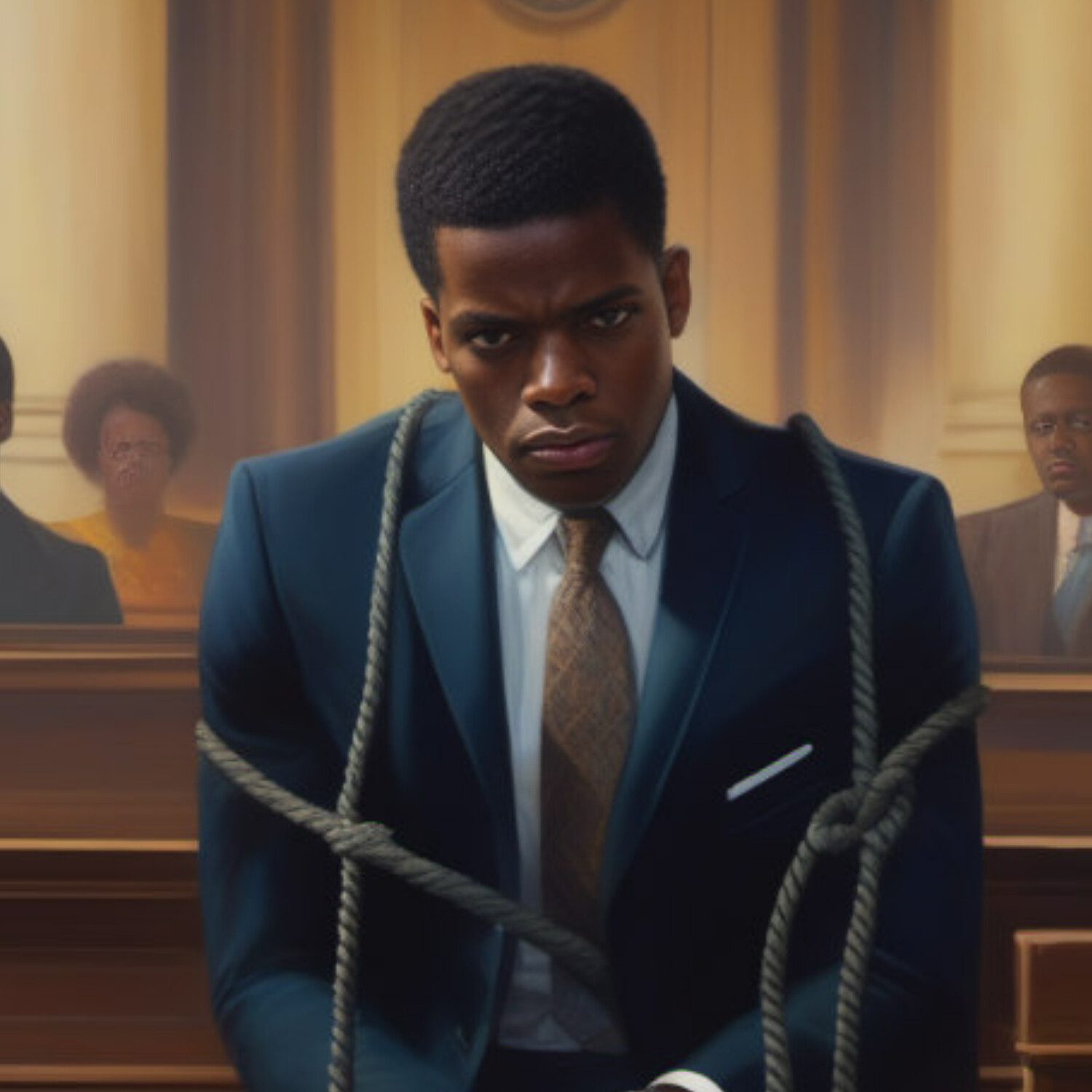
To Kill a Mockingbird, a 1960 novel by Harper Lee, is an iconic masterpiece set in the 1930s Deep South that confronts American society's deep-seated prejudices and injustices. Positioned in the racially divided town of Maycomb, Alabama, during the Great Depression, the story follows Scout Finch, a young girl coming of age in a world filled with racial tension and injustice.

Whose father, Atticus Finch, defends an African-American accused of raping a white woman. Through the lens of Scout's innocent perspective, we witness the deeply ingrained racism and the unfair treatment African Americans faced during that time.

The novel highlights the unjust treatment of a person of colour individuals experienced within the legal system, the ingrained biases held by many white people, and the consequences of these attitudes on the lives of marginalized communities.

It sheds light on the destructive impact of racism and the importance of challenging societal norms to fight for justice and equality.

In the current period, characterized by nuanced intersectionalism, To Kill a Mockingbird remains relevant as it addresses racial injustice from a historical perspective.

One prominent example is the character of Bob Ewell, who embodies pure malevolence and represents the dark side of humanity.

Ewell, fuelled by hatred and racism, falsely accuses Tom Robinson, an African-American man, of rape. He intentionally seeks to destroy an innocent man's life simply because of his prejudices.

The townspeople unquestioningly support and believe Ewell's accusations despite the lack of evidence against Tom Robinson. 

Furthermore, the character of Mayella Ewell, Bob Ewell's daughter, participates in the false accusation against Tom Robinson. 

While her actions are influenced by fear and coercion from her father, her willingness to harm another person to protect herself and her family reflects the dark side of human nature.

The novel also sheds light on societal expectations and gender roles. Scout defies traditional gender norms by rejecting femininity and embracing her tomboyish nature. Her refusal to conform challenges prevailing notions about being a girl in Southern society during that period.

When analysing the novel through an intersectional lens, it becomes evident that issues of race, gender, class, and power dynamics are interwoven. To Kill a Mockingbird remains an extraordinary work that resonates with readers across generations. Harper Lee's searing portrayal of racism, empathy, and loss of innocence forces us to confront uncomfortable truths about our own society.

Learn more:


We all navigate a world that constantly tests our emotional and psychological resilience, yet practical guidance on maintaining mental well-being can feel scattered or overly clinical. Mental Health Training cuts through the noise, offering grounded conversations that connect the dots between personal fitness, our cultural environment, and the health of our relationships. Hosted by Mental Health Training Information, each episode functions like an accessible workshop, translating complex psychological concepts into everyday language and actionable strategies. You’ll hear discussions that range from managing daily stressors and building emotional fitness to understanding how societal pressures shape our individual mental landscapes. This isn't about quick fixes; it's about cultivating a sustainable, informed approach to your inner life. The podcast draws from a broad spectrum of expertise, reflecting its roots in education and society, to provide listeners with a comprehensive toolkit. Tune in for a thoughtful blend of personal stories, expert insights, and practical exercises designed to strengthen your mental framework. Find more depth and continue the conversation beyond the audio by visiting the show's website for extended resources. This is a space for anyone looking to move beyond awareness and into the practice of genuine mental health training.
Author: Language: English Episodes: 100

Mental Health Training
Podcast Episodes
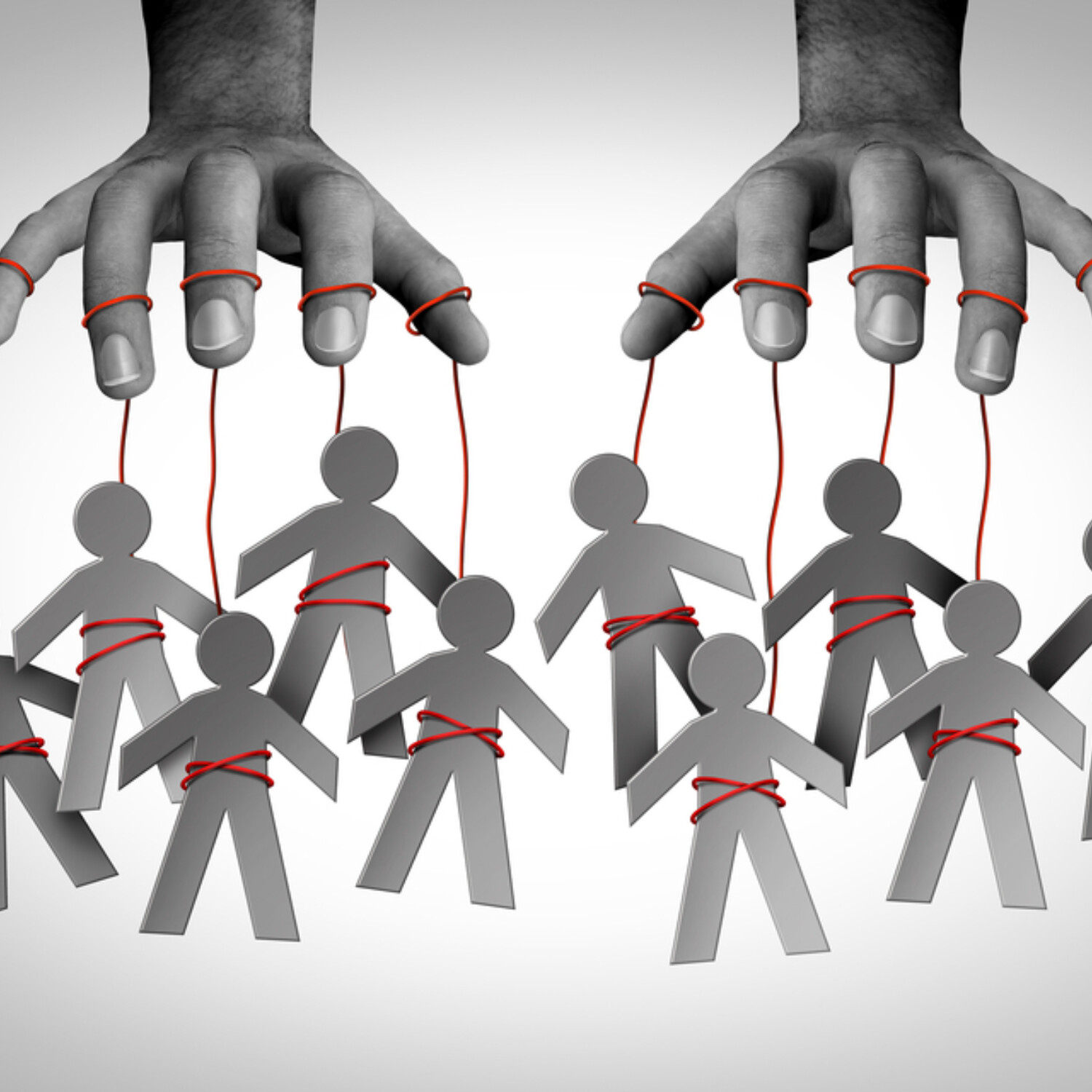
Gaslighting in Relationships: How to Heal and Move Forward [not-audio_url] [/not-audio_url]

Duration: 9:22
Gaslighting in Relationships: How to Heal and Move Forward. Gaslighting is a form of emotional abuse in which an individual manipulates another person to doubt their own perceptions, feelings and thoughts, ultimately lea…
Echoism vs Narcissism: What’s the Difference? [not-audio_url] [/not-audio_url]

Duration: 20:40
Echoism vs Narcissism: What’s the Difference? Have you heard of Echoism? It’s a term that describes individuals who tend to repeat what others say to avoid conflict or assert their own opinions. In a world where narcissi…
Hypertension on the Couch [not-audio_url] [/not-audio_url]

Duration: 20:12
Hypertension, commonly known as high blood pressure, is often called the “silent killer” because it can go unnoticed until it causes severe health problems. In fact, hypertension affects over 1 billion people worldwide a…
Hypochondria and Mental Health: The Link Between Anxiety and Illness [not-audio_url] [/not-audio_url]

Duration: 26:26
Have you ever experienced anxiety about your health, even when there’s no medical reason to do so? Perhaps you worry about having a severe illness, despite your doctor reassuring you that you’re healthy. This anxiety cou…
How to Make the Most of good stress and Manage the Bad [not-audio_url] [/not-audio_url]

Duration: 10:11
How to Make the Most of good stress and Manage the Bad by Marissa Downes Stress, or more accurately distress, occurs when the demands on a person exceed their abilities, skills, or coping strategies. “Stress is a respons…
My rugby injuries made me suicidal – psychedelic drugs saved me [not-audio_url] [/not-audio_url]

Duration: 9:20
Lying on a mat around a fire in the Costa Rican jungle, I was too terrified to speak. I had just taken iboga, a psychedelic plant medicine native to Central Africa, in a desperate attempt to avoid taking my own life. It…
Do I have Misophonia? [not-audio_url] [/not-audio_url]

Duration: 4:47
Do I have Misophonia? Have you ever felt a strong adverse reaction to sounds that most people find insignificant, such as someone eating or tapping their feet, becoming unbearable? If so, you may be experiencing misophon…
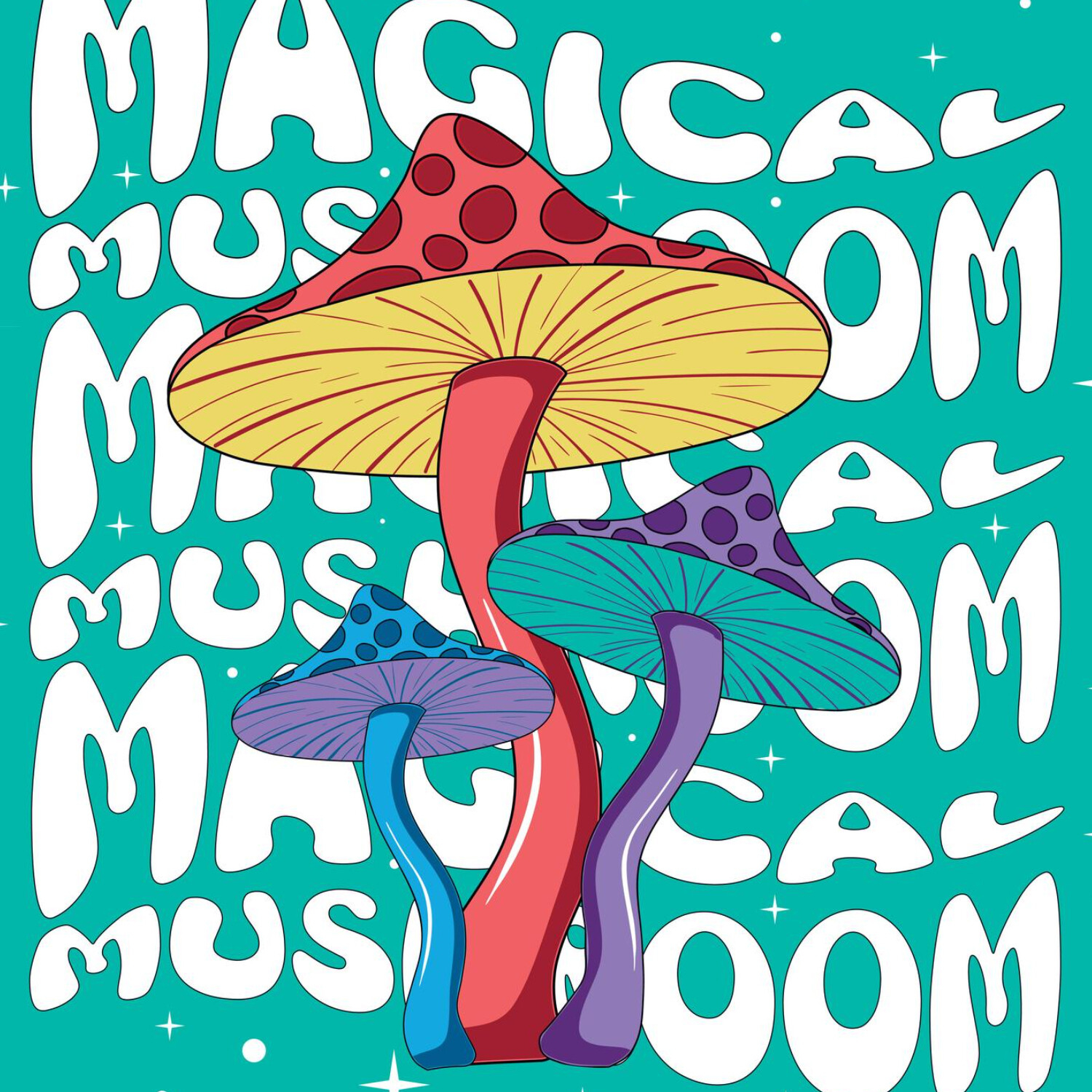
I took magic mushrooms to relieve the stress of motherhood [not-audio_url] [/not-audio_url]

Duration: 14:33
I took magic mushrooms to relieve the stress of motherhood. Do you know that saying about the Sixties? If you remember them, you weren’t there? My parents remember the Isle of Wight Festival in 1969, where Bob Dylan head…
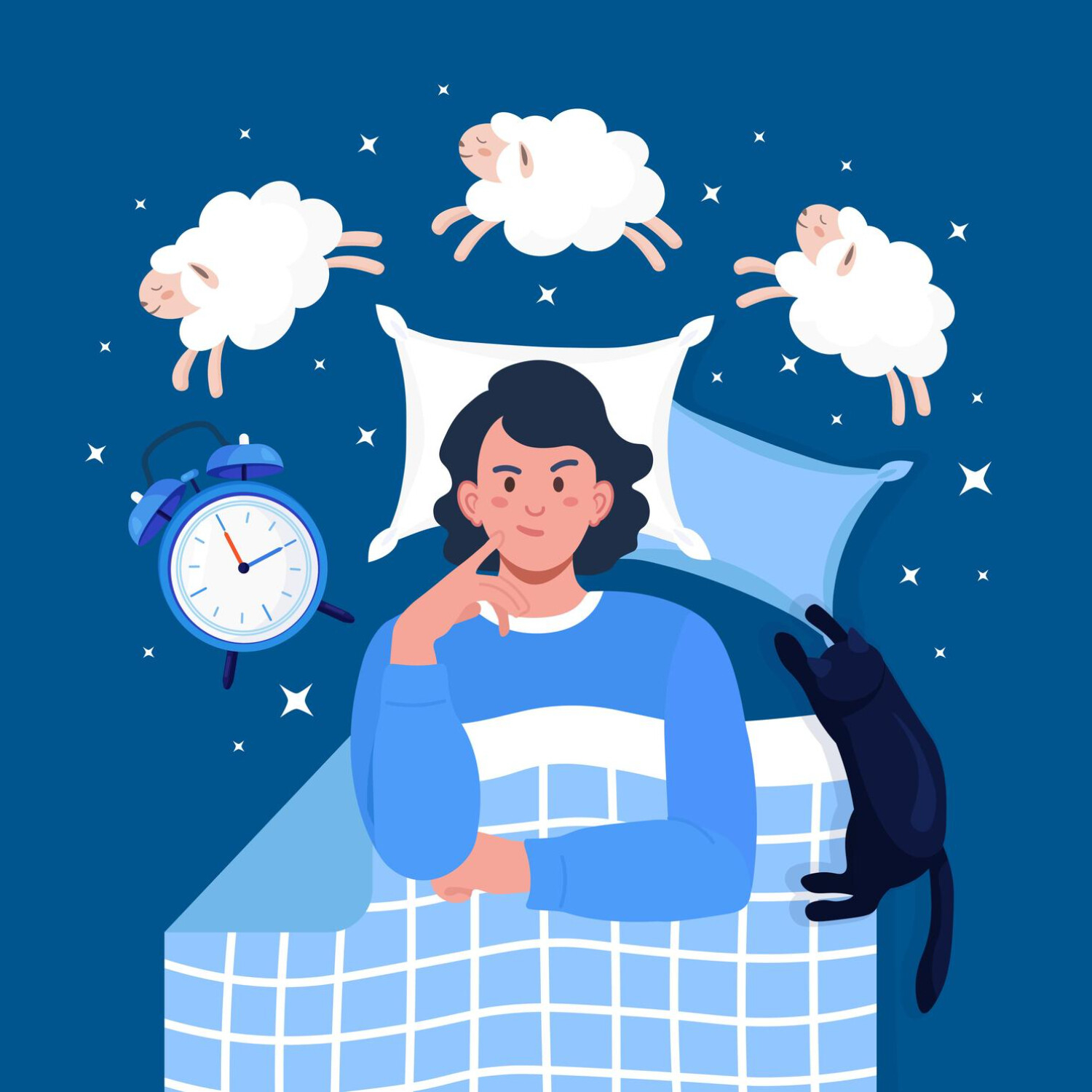
Why Do I Feel More Anxious at Night? [not-audio_url] [/not-audio_url]

Duration: 7:27
Why Do I Feel More Anxious at Night? The quiet hours can bring a lot of internal chatter, and here’s how to deal with it. Whenever you try to fall asleep at night, many anxious thoughts and embarrassing memories come rac…