Mental Health In Literature, Part 3

Mental Health In Literature, Part 3

Author: Mental Health Training Information November 16, 2023 Duration: 19:53

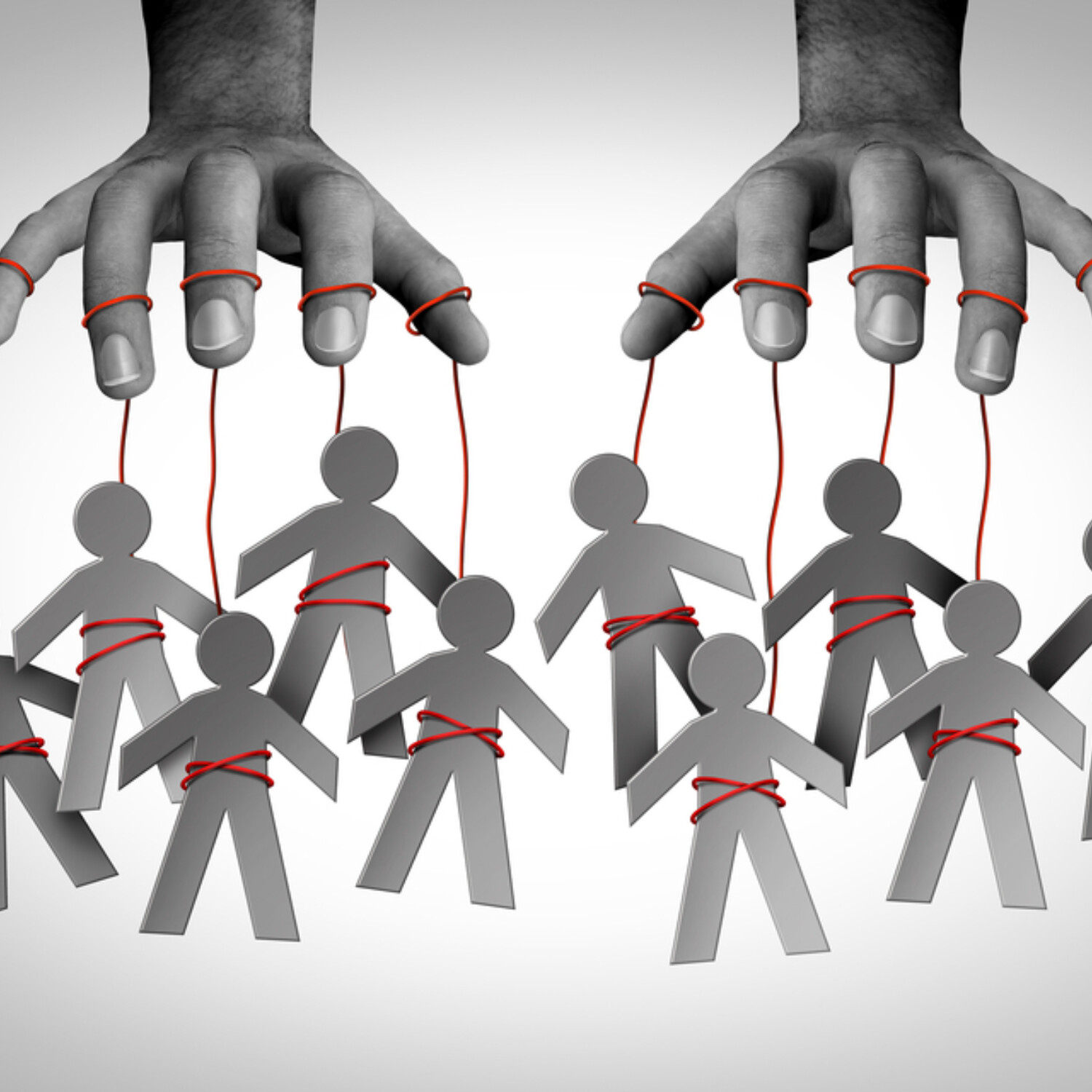
Our previous session discussed how literature and the media manipulated public opinion and shaped people’s beliefs and behaviours.

Today, we have a closer look at Fake News. The Obsessive-Compulsive Disorder Spectrum and a book reflecting the counterculture movement and challenges the traditional values, institutionalisation and incarceration in the 1960s.

Can you guess what it is?


Propaganda has historically shaped public opinion by disseminating information or ideas to promote a particular agenda and ideology. It often involves emotional appeals, censorship, and distorted presentation of facts.

Propaganda often involves:

  • Deliberately disseminating information or ideas to promote a particular agenda or viewpoint.
  • Using emotional appeals.
  • Censorship.
  • Selective presentation of facts to control public perception.

Today, fake news continues to manipulate public opinion.

Fake news is often compelling because it taps into people’s emotions and pre-existing beliefs. It plays on people’s fears, biases, and desires, making it easier for them to be swayed and believe in the false information presented.

Some evidence suggests that instilling a new positive belief is more effective than rescinding an existing belief in correcting false beliefs. This is because humans tend to hold on to their beliefs, even if proven wrong.

By introducing a new positive belief, individuals may be more inclined to accept the correction as it aligns with their need for cognitive consistency.

Therefore, instilling a new positive belief may be a potentially more effective method for correcting false beliefs. 

Fake news continues to manipulate public opinion today by tapping into those emotions and pre-existing beliefs.

Previous examples include Pizzagate, which manufactured ‘news’ that Hillary Clinton ran a child-sex ring, or the Bowling Green Massacre.

Even saying Pope Francis endorsed Donald Trump for president, and the list continues.

We had previously considered Annie Wilkes's behaviour in the psychological horror film “Misery”. Was there evidence pointing to her alleged anxiety disorder?

Organising a collection of porcelain figurines alone is not enough to diagnose someone with either an obsessive-compulsive personality disorder (OCPD) or obsessive-compulsive disorder (OCD).

While both disorders involve obsessive thoughts or behaviours, there are distinct differences between them, which are available in the training section of mentalhealthtraining.info for your perusal.

For example, individuals who have Obsessive-Compulsive Personality Disorder (OCPD) are preoccupied with orderliness, perfectionism, and control.

However, organising a collection of figurines alone does not necessarily indicate obsessive-compulsive personality disorder (OCPD), as many people enjoy organising and arranging their possessions without it causing significant distress or impairing their daily functioning.

Cameron Diaz told Good Housekeeping magazine she is a “neat freak” who has to have everything in its place. 

This is in contrast to the retired soccer player David Beckham, who said in a Netflix documentary he must have everything in “perfect symmetry” and spends hours cleaning the house after his family has gone to bed.

Within obsessive-compulsive personality disorder (OCPD) individuals may exhibit a strong need for order, perfectionism, and rigid adherence to rules or schedules. They may feel distressed if their environment is disorganised or chaotic.

Learn More Understanding Obsessive-Compulsive Disorder: A Comprehensive Guide


We all navigate a world that constantly tests our emotional and psychological resilience, yet practical guidance on maintaining mental well-being can feel scattered or overly clinical. Mental Health Training cuts through the noise, offering grounded conversations that connect the dots between personal fitness, our cultural environment, and the health of our relationships. Hosted by Mental Health Training Information, each episode functions like an accessible workshop, translating complex psychological concepts into everyday language and actionable strategies. You’ll hear discussions that range from managing daily stressors and building emotional fitness to understanding how societal pressures shape our individual mental landscapes. This isn't about quick fixes; it's about cultivating a sustainable, informed approach to your inner life. The podcast draws from a broad spectrum of expertise, reflecting its roots in education and society, to provide listeners with a comprehensive toolkit. Tune in for a thoughtful blend of personal stories, expert insights, and practical exercises designed to strengthen your mental framework. Find more depth and continue the conversation beyond the audio by visiting the show's website for extended resources. This is a space for anyone looking to move beyond awareness and into the practice of genuine mental health training.
Author: Language: English Episodes: 100

Mental Health Training
Podcast Episodes
Gaslighting in Relationships: How to Heal and Move Forward [not-audio_url] [/not-audio_url]

Duration: 9:22
Gaslighting in Relationships: How to Heal and Move Forward. Gaslighting is a form of emotional abuse in which an individual manipulates another person to doubt their own perceptions, feelings and thoughts, ultimately lea…
Echoism vs Narcissism: What’s the Difference? [not-audio_url] [/not-audio_url]

Duration: 20:40
Echoism vs Narcissism: What’s the Difference? Have you heard of Echoism? It’s a term that describes individuals who tend to repeat what others say to avoid conflict or assert their own opinions. In a world where narcissi…
Hypertension on the Couch [not-audio_url] [/not-audio_url]

Duration: 20:12
Hypertension, commonly known as high blood pressure, is often called the “silent killer” because it can go unnoticed until it causes severe health problems. In fact, hypertension affects over 1 billion people worldwide a…
Hypochondria and Mental Health: The Link Between Anxiety and Illness [not-audio_url] [/not-audio_url]

Duration: 26:26
Have you ever experienced anxiety about your health, even when there’s no medical reason to do so? Perhaps you worry about having a severe illness, despite your doctor reassuring you that you’re healthy. This anxiety cou…
How to Make the Most of good stress and Manage the Bad [not-audio_url] [/not-audio_url]

Duration: 10:11
How to Make the Most of good stress and Manage the Bad by Marissa Downes Stress, or more accurately distress, occurs when the demands on a person exceed their abilities, skills, or coping strategies. “Stress is a respons…
My rugby injuries made me suicidal – psychedelic drugs saved me [not-audio_url] [/not-audio_url]

Duration: 9:20
Lying on a mat around a fire in the Costa Rican jungle, I was too terrified to speak. I had just taken iboga, a psychedelic plant medicine native to Central Africa, in a desperate attempt to avoid taking my own life. It…
Do I have Misophonia? [not-audio_url] [/not-audio_url]

Duration: 4:47
Do I have Misophonia? Have you ever felt a strong adverse reaction to sounds that most people find insignificant, such as someone eating or tapping their feet, becoming unbearable? If so, you may be experiencing misophon…
I took magic mushrooms to relieve the stress of motherhood [not-audio_url] [/not-audio_url]

Duration: 14:33
I took magic mushrooms to relieve the stress of motherhood. Do you know that saying about the Sixties? If you remember them, you weren’t there? My parents remember the Isle of Wight Festival in 1969, where Bob Dylan head…
Why Do I Feel More Anxious at Night? [not-audio_url] [/not-audio_url]

Duration: 7:27
Why Do I Feel More Anxious at Night? The quiet hours can bring a lot of internal chatter, and here’s how to deal with it. Whenever you try to fall asleep at night, many anxious thoughts and embarrassing memories come rac…