The Benefits of Empathy

The Benefits of Empathy

Author: Mental Health Training Information July 1, 2022 Duration: 2:56

The Benefits of Empathy

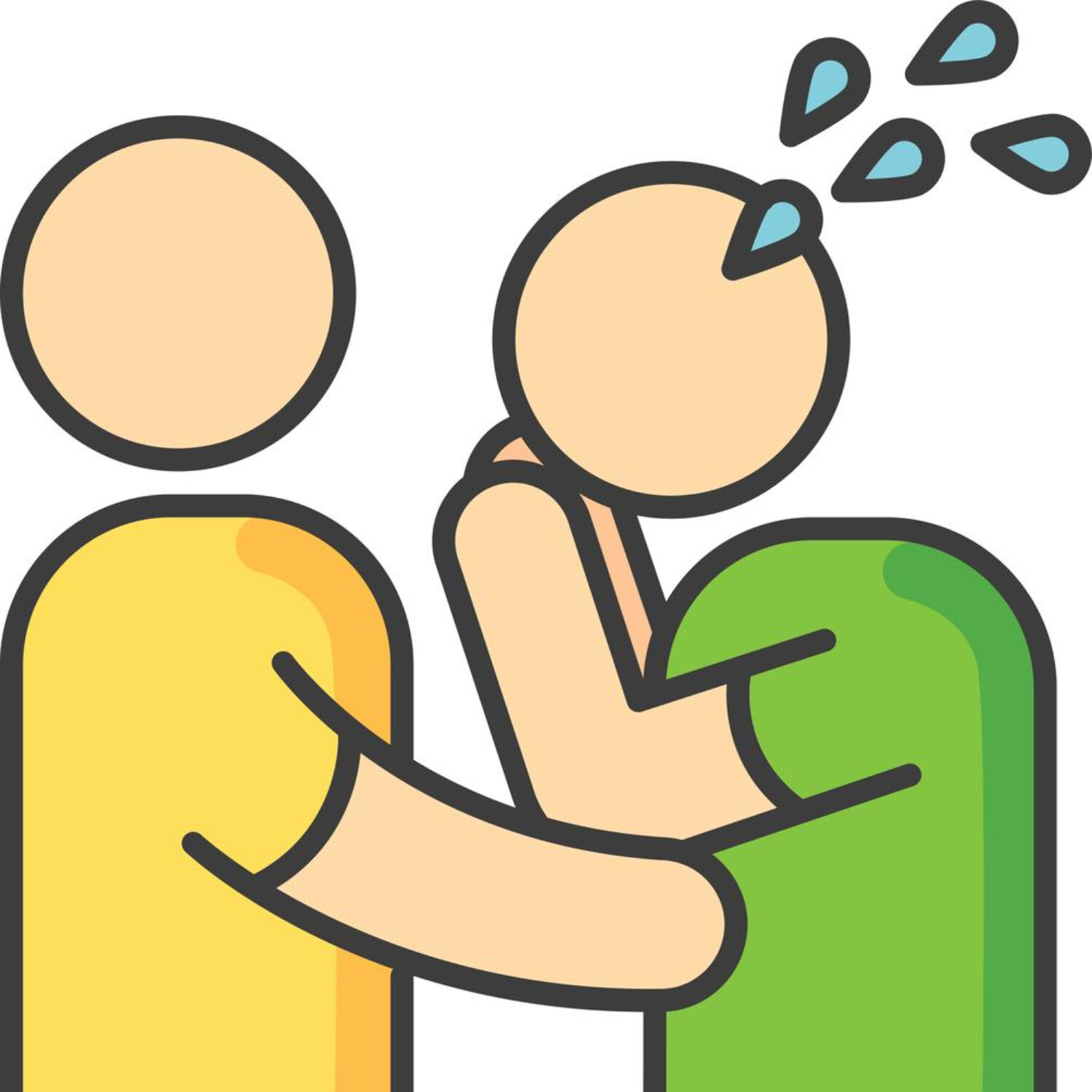
The empathetic person takes on the feelings of another. When you act with empathy, you share emotions and feelings. Some people can almost physically feel what another person is going through.

Others might have a less intense experience. In any situation, empathy helps you to understand and relate to others. It's a social skill that everyone should develop. Empathy can help you build trust in your personal and career relationships.

Like sympathy, empathy means you feel bad about what someone is going through. Unlike sympathy, empathy always means following up with kindness. You do something to try to help the person get out of a negative situation or experience.

What's really neat is that empathy doesn't just benefit the person on the receiving end of kindness.

The Benefits of Empathy for the Giver

Studies show that the empathetic person experiences less stress and anxiety than others. Everyone is different. Some people just aren't that empathetic. It doesn't mean they're mean people or that they don't care about others. It just means their emotional radar isn't as sensitive as someone who's highly empathetic.

That's a shame, because empathy lowers stress.

Experts believe this is because of a shared emotional experience. It could be that there is a physical process internally that triggers the release of "feel good" hormones and chemicals. Whatever happens, data clearly shows that if you want less stress, anxiety and depression in your life, learn to be more empathetic.

Empathy Makes You Grateful for What You Have

Sometimes getting in the emotional point of view of another person can help you appreciate what you have. You see someone struggling emotionally. You ask a few questions. Likewise, you get to know the situation. Perhaps you were in a similar spot yourself at one time.

You can identify very clearly with the emotional issues that person is experiencing. It causes such a response in you that you reach out. You feel compelled to offer assistance and to help this person in some way.

After this experience has passed, it's not uncommon to feel gratitude.

You're reminded when you went through the same problem. You understand that this individual you encountered is currently working through a difficult time. Not only that, but you additionally realise that you are fortunately not going through the same issue.

This can cause you to take a little time and express gratitude for your wonderful life and all the blessings in it.

Empathy Is a Boomerang

Act with empathy for someone else, and you're more likely to get the same response when it's needed. When people see you acting selflessly and with great empathy, they remember.

Sometime down the road, when you could benefit from empathy, people will recall when you helped them or someone in their family. This could result in a wonderful boomerang of kindness that gives you assistance right when you need it.

Empathy is often returned to the giver. It helps you grow emotionally and socially. You can improve your relationships at work and at home by showing a little more empathy. You also enjoy less stress and anxiety when you become an empathetic person

We all navigate a world that constantly tests our emotional and psychological resilience, yet practical guidance on maintaining mental well-being can feel scattered or overly clinical. Mental Health Training cuts through the noise, offering grounded conversations that connect the dots between personal fitness, our cultural environment, and the health of our relationships. Hosted by Mental Health Training Information, each episode functions like an accessible workshop, translating complex psychological concepts into everyday language and actionable strategies. You’ll hear discussions that range from managing daily stressors and building emotional fitness to understanding how societal pressures shape our individual mental landscapes. This isn't about quick fixes; it's about cultivating a sustainable, informed approach to your inner life. The podcast draws from a broad spectrum of expertise, reflecting its roots in education and society, to provide listeners with a comprehensive toolkit. Tune in for a thoughtful blend of personal stories, expert insights, and practical exercises designed to strengthen your mental framework. Find more depth and continue the conversation beyond the audio by visiting the show's website for extended resources. This is a space for anyone looking to move beyond awareness and into the practice of genuine mental health training.
Author: Language: English Episodes: 100

Mental Health Training
Podcast Episodes
Why Do I Feel More Anxious at Night? [not-audio_url] [/not-audio_url]

Duration: 7:27
Why Do I Feel More Anxious at Night? The quiet hours can bring a lot of internal chatter, and here’s how to deal with it. Whenever you try to fall asleep at night, many anxious thoughts and embarrassing memories come rac…
The truth about PTSD, its causes and cures [not-audio_url] [/not-audio_url]

Duration: 6:45
The torrent of personal revelations that has poured from Prince Harry of late has been met with a range of reactions, from sympathy through to fury. But quite why he has pressed the nuclear button and blown up all before…
Developmental disability [not-audio_url] [/not-audio_url]

Duration: 9:06
You will learn more about what developmental disabilities are, the associated risk factors, and different interventions that can help individuals with developmental disabilities reach their goals. Developmental disabilit…
Everyone seems to be on psychedelics except me [not-audio_url] [/not-audio_url]

Duration: 6:02
Everyone seems to be on psychedelics except me. People will go to the unlikeliest of places to sort their heads out, be it the internet, the rainforests of the Amazon, or even suburbia in London, UK. Like noticing the fi…
Aphasia. [not-audio_url] [/not-audio_url]

Duration: 7:43
Aphasia. Aphasia is a communication disorder that results from damage or injury to the language parts of the brain. It's usually caused by a stroke but can also be caused by other brain injuries, such as a tumour or head…
Romantic Chemistry [not-audio_url] [/not-audio_url]

Duration: 7:12
We’re all looking for that elusive, ‘spark’ – but what really ignites a long-lasting relationship? There is good news, Science is closing in on the answers. For centuries, our romantic fates were thought to be written in…
Micro-dosing psychedelics, and mental health [not-audio_url] [/not-audio_url]

Duration: 8:35
Micro-dosing psychedelics and mental health. Continuing with the psychedelic theme, and the potential benefits to mental health have been covered in a previous article and podcast. The key issues were the potential thera…
Optimal Gut Health [not-audio_url] [/not-audio_url]

Duration: 15:35
Have you ever wondered what the secret to overall good health is? Turns out, it all starts with your gut. The gut microbiome is an ecosystem of hundreds to thousands of microbial species living within the body. These pop…
Psychedelics on the Couch [not-audio_url] [/not-audio_url]

Duration: 1:26:58
The term “psychedelic” is derived from the Ancient Greek words “psyche” (meaning “mind”) and “delos” (which means “to manifest”). The British-born Canadian psychiatrist Humphry Osmond coined it in a letter to author Aldo…
Your anxiety may be physical [not-audio_url] [/not-audio_url]

Duration: 8:20
Experiencing occasional anxiety is a normal part of life, but you are not alone if you have experienced a mental health challenge over the past few years. We were already in an epidemic of anxiety before the pandemic, an…