The Power Of Adaptability

The Power Of Adaptability

Author: Mental Health Training Information August 15, 2022 Duration: 3:42

The Power Of Adaptability

Did you know that the ancient Chinese symbol for “crisis” is precisely the same as the symbol for “opportunity?”

Seeing problems as opportunities is the best way to succeed in business and life. It’s a matter of perspective, so shouldn’t you adopt the mindset that will lead to success and not failure?

Problems, change, and stress are all part of everyone’s life, and no one is exempt. Adaptability means seeing these things as usual. Successful people develop a mental toughness which causes them to see adversities and failures as ways to learn lessons and improve.

They expect challenges so that even before the challenges occur, they intend to face them and find solutions.

There are two ways to adapt to situations: the first is to adapt ourselves to circumstances beyond our control, and the second is to adapt to situations that are better for us. One of these two options provides the solution to most problems, so you want to alter either yourself or the case in the most productive, worthwhile way.

Adaptability is a choice, and it’s you making up your mind to be flexible, responsive, analytical, and solution-oriented. Being adaptive instead of fighting the issue means giving yourself the liberty to take action to find a solution. Choosing to be adaptive means you’re the victor and not the victim. How adaptable are you?

Here are some techniques to help you increase your adaptive talents:

1. How’s your sense of humour? It can be a great ally for you. One of the things witty helps you do is to get some perspective on yourself and your situation. Humour can help you see the fun in the situation when you make a mistake and make it easier for you to learn from it.

2. How well do you control your negative emotions? Negative emotions can get you into a lot of trouble. When you’re in a stressful situation, try to remove yourself until you have your emotions under control. When you’re calmer, deal with the problem.

3. Do you see change as standard, or does it throw you into a loop? Evaluate the way you react to unexpected events. Make a conscious effort to take changes in stride. This is a skill you can learn, and it will help you in many different ways.

4. How good are you at saying “No”? If you’re stressed because you’ve overcommitted yourself, it’s harder to adapt to situations as they arise. Make your schedule work for you, not against you. Learn to say “No,” calmly and firmly when needed.

5. Is your life way too complicated? Learn to simplify your life. Get rid of clutter and distractions that wear you out and get in the way. Decide what’s essential to you and what you want to do with your time, and concentrate on that.

When you experience a violent storm, it’s easy to rail against the weather. The wind and the rain can seem terrifying, especially when coupled with the crash of thunder and the bright crackle of lightning splitting the sky. But ask any farmer, and they’ll tell you that even storms have their benefits. The rain is necessary for their crops. And believe it or not, lightning, when it strikes the ground, puts nitrogen into the soil so badly needed for things to grow.

Likewise, conflict in the workplace has certain benefits that we don’t always see initially. Please keep reading to find several of them you might not have considered before now.


We all navigate a world that constantly tests our emotional and psychological resilience, yet practical guidance on maintaining mental well-being can feel scattered or overly clinical. Mental Health Training cuts through the noise, offering grounded conversations that connect the dots between personal fitness, our cultural environment, and the health of our relationships. Hosted by Mental Health Training Information, each episode functions like an accessible workshop, translating complex psychological concepts into everyday language and actionable strategies. You’ll hear discussions that range from managing daily stressors and building emotional fitness to understanding how societal pressures shape our individual mental landscapes. This isn't about quick fixes; it's about cultivating a sustainable, informed approach to your inner life. The podcast draws from a broad spectrum of expertise, reflecting its roots in education and society, to provide listeners with a comprehensive toolkit. Tune in for a thoughtful blend of personal stories, expert insights, and practical exercises designed to strengthen your mental framework. Find more depth and continue the conversation beyond the audio by visiting the show's website for extended resources. This is a space for anyone looking to move beyond awareness and into the practice of genuine mental health training.
Author: Language: English Episodes: 100

Mental Health Training
Podcast Episodes
Melatonin, on the couch [not-audio_url] [/not-audio_url]

Duration: 16:37
A previous podcast discussed how jet-lag medication was used to treat young people for sleep problems. A dietary supplement containing melatonin was readily available in health shops throughout the United Kingdom until i…
Helping your child sleep better. [not-audio_url] [/not-audio_url]

Duration: 12:43
Helping your child sleep better. The number of children being prescribed the previous jet lag hormone melatonin to help their child sleep has nearly tripled in the past seven years. Melatonin is indeed not a sleep hormon…
Let's talk about your inner monologue [not-audio_url] [/not-audio_url]

Duration: 3:36
Building upon a previous podcast on self-talk because many of us, when we read something, you hear a little voice in our head. Most of us would refer to this as an inner monologue. Just in case you didn’t know, many indi…
Therapy on a budget for generation Z [not-audio_url] [/not-audio_url]

Duration: 8:25
According to the National Institute of Mental Health, in 2020, young adults aged 18 to 24 had the highest prevalence of mental health issues. Though mental health issues are common among Gen Z, indi­vid­u­als born betwee…
I’m certainly SAD, how about you? [not-audio_url] [/not-audio_url]

Duration: 10:51
As the Christmas holiday is approaching, many consider it a magical and charming time for adults and children alike. However, it’s the least wonderful time of the year for sunlight. Winter blues or seasonal affective dis…
Positive Self Talk [not-audio_url] [/not-audio_url]

Duration: 7:55
Positive Self Talk Self-talk: How often do you hear that little voice in your head tell you that you aren’t good enough? Negative self-talk can hinder your progress in life and hold you back from fulfilling your dreams.…
Overcome Obstacles by Removing Self-Doubt [not-audio_url] [/not-audio_url]

Duration: 2:59
Overcome Obstacles by Removing Self-Doubt People doubt themselves and their abilities. When it becomes a chronic situation, it can hold people back from getting what they want. Confidence will break through the barriers…
Six  Beneficial Ways to Deal with Critical Individuals [not-audio_url] [/not-audio_url]

Duration: 2:25
Six Beneficial Ways to Deal with Critical People Constructive criticism is fine, but some people are so relentlessly negative that they can suck the joy out of life. No matter what happy news you might have, they are gua…
Big five personality traits: Who are you? [not-audio_url] [/not-audio_url]

Duration: 11:54
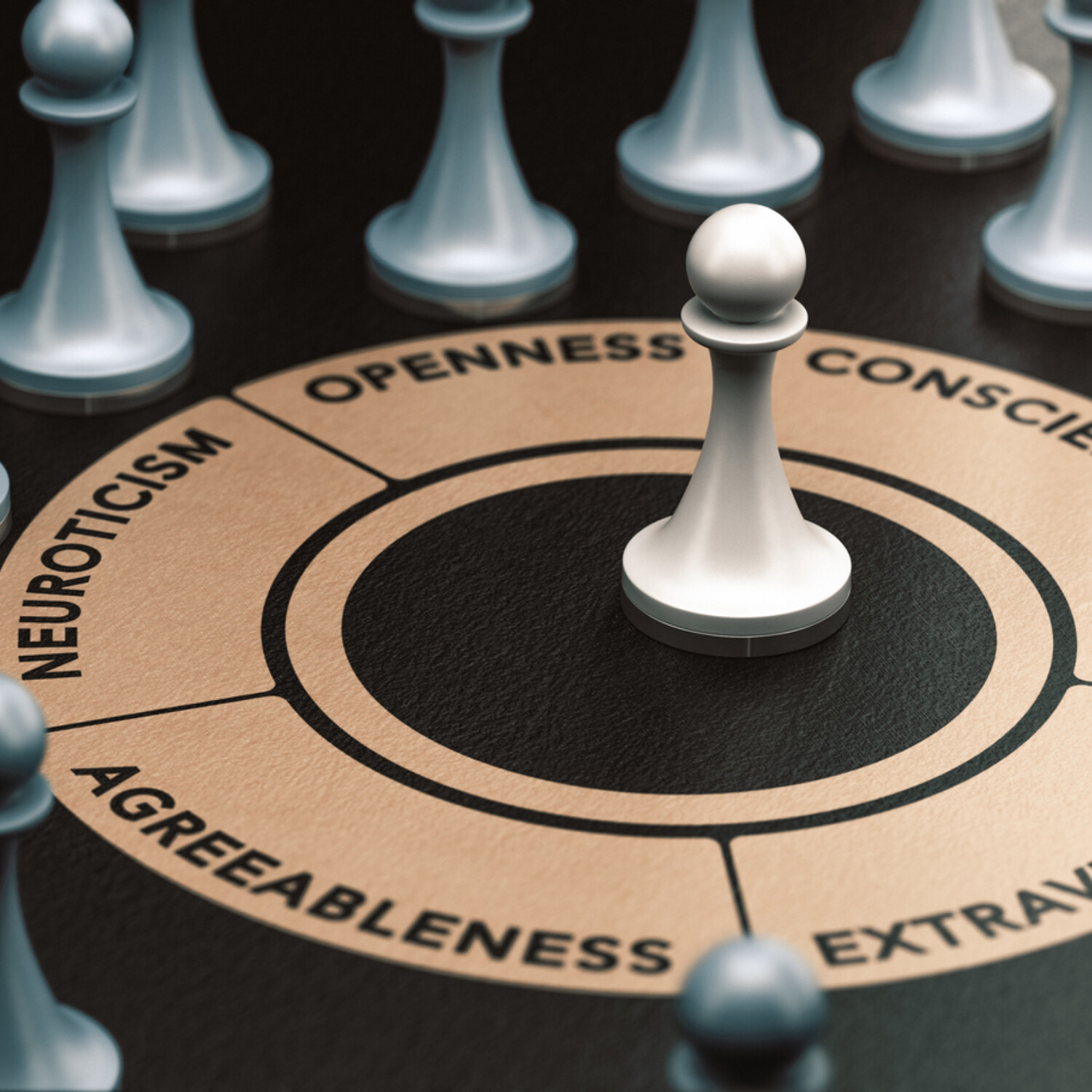
An individual’s personality traits define how they perceive the world around them. It is a set of characteristics and features that cause them to think, feel, and behave in a particular way. Personality traits are charac…
Doom and Gloom Thinking [not-audio_url] [/not-audio_url]

Duration: 13:51
Doom and Gloom Thinking Expecting the worst to happen in any situation can harm your mental health. How do we stop this unhealthy thinking Imagine you’ve applied for a dream appointment and have now been nominated for th…