The truth about PTSD, its causes and cures

The truth about PTSD, its causes and cures

Author: Mental Health Training Information March 19, 2023 Duration: 6:45

The torrent of personal revelations that has poured from Prince Harry of late has been met with a range of reactions, from sympathy through to fury. But quite why he has pressed the nuclear button and blown up all before him, in such a public, uncompromising fashion, has remained a puzzle to some. One possible explanation, suggested earlier this month by Philip Ingram, a former colonel in the British Army, is that Harry is suffering from post-traumatic stress disorder (PTSD). 

Ingram pointed out in a newspaper article that what Harry went through in childhood - the loss of his mother in a car crash, amid overwhelming media interest - “would break many normal people,” and that his deployment to Afghanistan with the Army brought additional stresses (even if Harry claims military service “saved” him) . Is it possible, then, that trauma lies behind his current behaviour, which from the outside appears more self-destructive than healing? 

That soldiers can suffer PTSD after leaving the battlefield is by now well established. In the First World War, it was dubbed shell shock, and has since been recognised as a medical condition, a type of anxiety disorder. But it is one that can also be caused by any situation a person finds traumatic, from road accidents and sex attacks to domestic or child abuse, health problems and even childbirth. PTSD can result from grief, too, says psychotherapist Julia Samuel. 

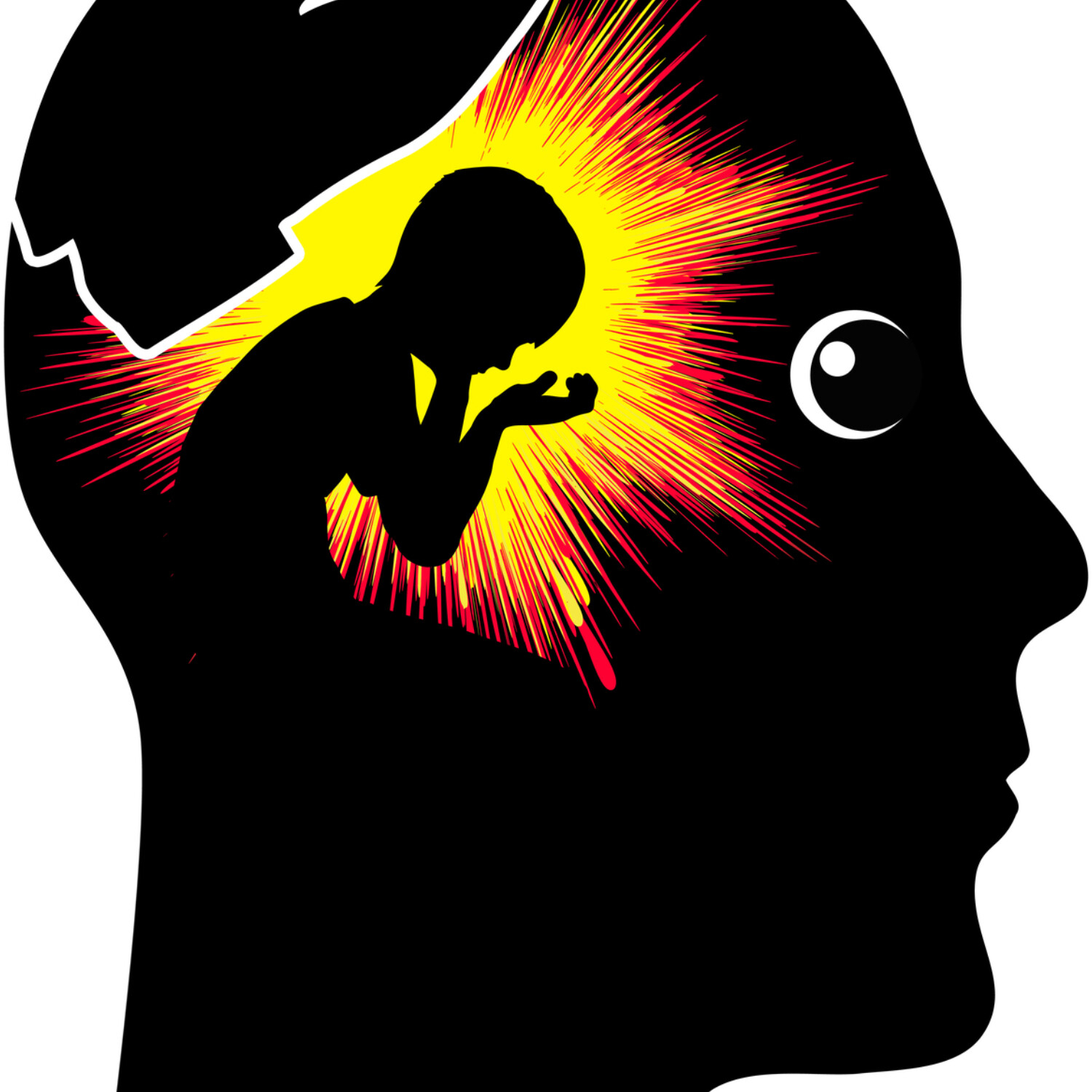
While in most cases, traumas are processed relatively quickly (in weeks rather than years), in a minority of cases, the trauma remains “locked in the brain, untouched and unresolved, as if it were in the present,” which can lead the sufferer to see the world differently, says Samuel, who was a close friend of Diana’s and is godmother to Prince George, Harry’s nephew. “You can have it on the brain decades after the event. It has no sense of time, it is present in the body. Trauma then heightens your sense of fear and response to the world: the world seems more dangerous.”

Multiple studies have pointed to changes in the brain associated with PTSD. The condition is typically diagnosed by a psychiatrist via a mental health assessment, not a brain scan, but research shows the amygdala - the part of the brain that deals with emotional responses - is more active in those who suffer from it. 

“The trauma is stored in the amygdala, which is the part of the brain that’s always looking for threats,” says Samuel. “It can’t cognitively be processed.”

Symptoms of PTSD can include vivid flashbacks, intrusive thoughts, nightmares, becoming easily upset or angry, extreme alertness, disturbed sleep, irritability and aggressive behaviour, poor concentration and, indeed, carrying out self-destructive or reckless acts, according to an extensive list from mental health charity Mind. 


We all navigate a world that constantly tests our emotional and psychological resilience, yet practical guidance on maintaining mental well-being can feel scattered or overly clinical. Mental Health Training cuts through the noise, offering grounded conversations that connect the dots between personal fitness, our cultural environment, and the health of our relationships. Hosted by Mental Health Training Information, each episode functions like an accessible workshop, translating complex psychological concepts into everyday language and actionable strategies. You’ll hear discussions that range from managing daily stressors and building emotional fitness to understanding how societal pressures shape our individual mental landscapes. This isn't about quick fixes; it's about cultivating a sustainable, informed approach to your inner life. The podcast draws from a broad spectrum of expertise, reflecting its roots in education and society, to provide listeners with a comprehensive toolkit. Tune in for a thoughtful blend of personal stories, expert insights, and practical exercises designed to strengthen your mental framework. Find more depth and continue the conversation beyond the audio by visiting the show's website for extended resources. This is a space for anyone looking to move beyond awareness and into the practice of genuine mental health training.
Author: Language: English Episodes: 100

Mental Health Training
Podcast Episodes
Inner Calm For Internal Peace [not-audio_url] [/not-audio_url]

Duration: 3:56
Inner Calm For Internal peace What if someone told you that you could control your brain? Well, the good news is you can. All you need is some practice and a bit of knowledge. Neuroscience isn’t rocket science, and it’s…
Were You Taught the Definition of Insanity When You Were Young? [not-audio_url] [/not-audio_url]

Duration: 2:30
Were You Taught the Definition of Insanity When You Were Young? A lot of adults never grasp the true definition of insanity. You might be thinking of some defining terms yourself. While there could be many definitions of…
The Snowflake Philosophy [not-audio_url] [/not-audio_url]

Duration: 17:28
The Snowflake Philosophy Generation Snowflake has become the new norm. This article examines the nature of the Snowflake at the end of today’s cultural climate, and it also looks like the overly sensitive Snowflake chara…
Why is it important to listen to other people views [not-audio_url] [/not-audio_url]

Duration: 2:41
Why is it important to listen to other’s people views When you disagree with someone, likely, you don’t want to waste your time listening to their views. Although listening to something you disagree with isn’t always fun…
Anger Management Information [not-audio_url] [/not-audio_url]

Duration: 5:04
Anger Management Information There is plenty of relevant anger management information. First and foremost it is imperative to understand the anger and the consequences of anger. Anger management will not work without kno…
Consider Using Support Groups for Traumatic Incidents [not-audio_url] [/not-audio_url]

Duration: 3:04
Consider Using Support Groups for Traumatic Incidents It’s always a good idea to let the past stay in the past. However, a traumatic experience can make this more challenging. Any incidents may affect the abilities of a…
What Does It Mean to be Innovative [not-audio_url] [/not-audio_url]

Duration: 3:13
What Does It Mean to be Innovative? Innovation. We hear that term each time we see a new product come out. It’s easy to think of innovation as creating something never thought of before. That’s not always the case. For e…
Are Creativity and Innovation the Same Thing? [not-audio_url] [/not-audio_url]

Duration: 3:11
Are Creativity and Innovation the Same Thing? Creativity and innovation are often used interchangeably. In reality, they are more like two sides of the same coin. When put together, they have different functions that pro…

«1...678910