Understanding Agnosia: Exploring the Complexities of Perception Impairment

Understanding Agnosia: Exploring the Complexities of Perception Impairment

Author: Mental Health Training Information July 31, 2023 Duration: 41:05

In the world of neuroscience and psychology, there are intriguing conditions that challenge our fundamental understanding of perception.

One such condition is agnosia, which disrupts somebody’s ability to recognise or interpret sensory information. Agnosia usually affects only a single information pathway in the brain. If you have this condition, you can still think, speak, and interact with the world.

While it may sound like a relatively simple concept, delving into the complexities of agnosia reveals a rich tapestry of mental processes and brain functions at work. In this article, we explore agnosia, unravelling its various forms and shedding light on what it truly means to grapple with this mysterious disorder.

Join us as we dig deeper into understanding how perception impairment can manifest in fascinating and perplexing ways.

Agnosia (in Greek gnosis- "not knowing") is a neurological condition in which a patient cannot recognise and identify objects, persons, or sounds using one or more of their senses despite their normally functioning senses.

Therefore, agnosia is a neurological disorder that affects a person’s ability to recognise and interpret sensory information. It can occur in various forms, each involving a different sensory modality. 

There are three main types of agnosia: visual, auditory, and tactile.

Let’s commence with a short summary of the different spectrums of agnosia:

1. Visual Agnosia: This is the most common form of agnosia and affects a person’s ability to recognise visually presented objects, faces, or shapes. They may still have intact vision, but their brain cannot correctly process and interpret visual information.

2.  Auditory Agnosia: This type of agnosia impacts a person’s ability to recognise and interpret sounds, such as speech or environmental noises. They may hear sounds but have difficulty understanding their meaning or distinguishing between those sounds.

3.  Tactile Agnosia: This form of agnosia affects a person’s sense of touch, making it challenging for them to recognise objects through touch alone. They may need help identifying shapes, textures, or temperatures through contact.

4.  Prosopagnosia: Also known as face blindness, prosopagnosia is a specific type of visual agnosia where individuals cannot recognise familiar faces, including those of family members or close friends. They may rely on other cues, such as voice or clothing, to identify people.

5.  Anosognosia: Anosognosia refers to a lack of awareness or recognition of one’s own illness or disability. This can occur in various neurological conditions, including agnosia itself. Individuals with anosognosia may deny or be unaware of their impairment, making it challenging to seek treatment or support.

It is important to note that agnosia can occur due to brain injuries or degenerative neurological conditions and can vary in severity. But 

stroke is the most common cause of aphasia. Treatment options may include rehabilitation therapy, adaptive strategies, and support from healthcare professionals.

Let’s now look at each situation in more detail. 

Visual Agnosia: Unravelling the Mystery of Impaired Object Recognition

Visual agnosia is a fascinating disorder that hinders an individual’s ability to recognise and identify objects they see. How our brain processes visual information helps us, from learning as children to seeing the world and interacting with our environments, throughout our lives.

Because of the ease with which we rely on these perceptual processes, we tend to overlook the complexity behind visual information processing. It is not related to any issues with vision or intelligence, but rather arises from a disruption in the higher level of visual processing we once took for granted.

Visual agnosia is a


We all navigate a world that constantly tests our emotional and psychological resilience, yet practical guidance on maintaining mental well-being can feel scattered or overly clinical. Mental Health Training cuts through the noise, offering grounded conversations that connect the dots between personal fitness, our cultural environment, and the health of our relationships. Hosted by Mental Health Training Information, each episode functions like an accessible workshop, translating complex psychological concepts into everyday language and actionable strategies. You’ll hear discussions that range from managing daily stressors and building emotional fitness to understanding how societal pressures shape our individual mental landscapes. This isn't about quick fixes; it's about cultivating a sustainable, informed approach to your inner life. The podcast draws from a broad spectrum of expertise, reflecting its roots in education and society, to provide listeners with a comprehensive toolkit. Tune in for a thoughtful blend of personal stories, expert insights, and practical exercises designed to strengthen your mental framework. Find more depth and continue the conversation beyond the audio by visiting the show's website for extended resources. This is a space for anyone looking to move beyond awareness and into the practice of genuine mental health training.
Author: Language: English Episodes: 100

Mental Health Training
Podcast Episodes
The truth about PTSD, its causes and cures [not-audio_url] [/not-audio_url]

Duration: 6:45
The torrent of personal revelations that has poured from Prince Harry of late has been met with a range of reactions, from sympathy through to fury. But quite why he has pressed the nuclear button and blown up all before…
Developmental disability [not-audio_url] [/not-audio_url]

Duration: 9:06
You will learn more about what developmental disabilities are, the associated risk factors, and different interventions that can help individuals with developmental disabilities reach their goals. Developmental disabilit…
Everyone seems to be on psychedelics except me [not-audio_url] [/not-audio_url]

Duration: 6:02
Everyone seems to be on psychedelics except me. People will go to the unlikeliest of places to sort their heads out, be it the internet, the rainforests of the Amazon, or even suburbia in London, UK. Like noticing the fi…
Aphasia. [not-audio_url] [/not-audio_url]

Duration: 7:43
Aphasia. Aphasia is a communication disorder that results from damage or injury to the language parts of the brain. It's usually caused by a stroke but can also be caused by other brain injuries, such as a tumour or head…
Romantic Chemistry [not-audio_url] [/not-audio_url]

Duration: 7:12
We’re all looking for that elusive, ‘spark’ – but what really ignites a long-lasting relationship? There is good news, Science is closing in on the answers. For centuries, our romantic fates were thought to be written in…
Micro-dosing psychedelics, and mental health [not-audio_url] [/not-audio_url]

Duration: 8:35
Micro-dosing psychedelics and mental health. Continuing with the psychedelic theme, and the potential benefits to mental health have been covered in a previous article and podcast. The key issues were the potential thera…
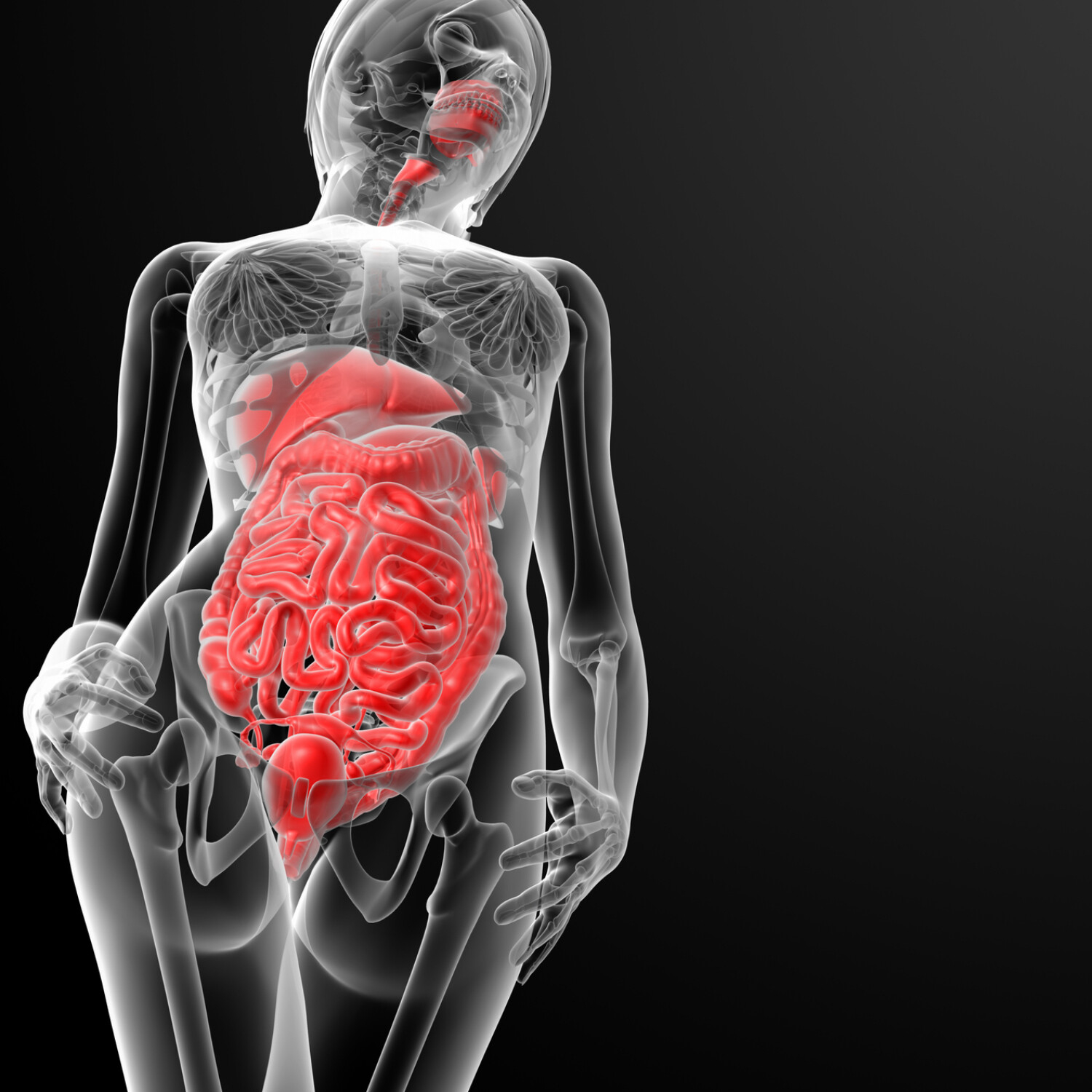
Optimal Gut Health [not-audio_url] [/not-audio_url]

Duration: 15:35
Have you ever wondered what the secret to overall good health is? Turns out, it all starts with your gut. The gut microbiome is an ecosystem of hundreds to thousands of microbial species living within the body. These pop…
Psychedelics on the Couch [not-audio_url] [/not-audio_url]

Duration: 1:26:58
The term “psychedelic” is derived from the Ancient Greek words “psyche” (meaning “mind”) and “delos” (which means “to manifest”). The British-born Canadian psychiatrist Humphry Osmond coined it in a letter to author Aldo…
Your anxiety may be physical [not-audio_url] [/not-audio_url]

Duration: 8:20
Experiencing occasional anxiety is a normal part of life, but you are not alone if you have experienced a mental health challenge over the past few years. We were already in an epidemic of anxiety before the pandemic, an…
Melatonin, on the couch [not-audio_url] [/not-audio_url]

Duration: 16:37
A previous podcast discussed how jet-lag medication was used to treat young people for sleep problems. A dietary supplement containing melatonin was readily available in health shops throughout the United Kingdom until i…