What Is A Narcissistic Personality Disorder

What Is A Narcissistic Personality Disorder

Author: Mental Health Training Information August 7, 2022 Duration: 7:02

What Is Narcissistic Personality Disorder?

Narcissistic Personality Disorder (NPD) is a condition marked by a pattern of grandiosity, fixation on power fantasies, desire for admiration, arrogance, lack of empathy, and envy. Individuals with NPD may be overly sensitive to criticism, though they may hide their fragile self-esteem behind a self-important exterior.

NPD is the second most prevalent personality disorder, affecting about 6.2% of the population1. It is one of ten personality disorders listed in the Diagnostic and Statistical Manual of Mental Disorders (DSM-5). Along with histrionic, antisocial, and borderline personality disorders, NPD is a Cluster B disorder, which causes affected individuals to appear erratic, emotional, or dramatic.

Narcissistic Personality Disorder: Symptoms

Though symptoms may manifest in different ways, people with NPD experience at least five of the following:

  • Inflated sense of self-importance
  • Preoccupation with fantasies of power, beauty, or ideal love
  • The belief that they are unique and should only associate with other special or high-status people and institutions
  • Requires admiration
  • Unreasonable entitlement
  • Takes advantage of others
  • Lacks empathy
  • Envious of others, or believing that others are envious of them
  • Arrogant behaviours or attitudes

Narcissistic Personality Disorder: Other Signs

Though the DSM symptoms are used to diagnose NPD, the following associated features may help clinicians support a diagnosis. These can include:

  • Low self-esteem. Despite their outwardly arrogant presentation, people with NPD often have low self-esteem. They are vulnerable to injuries to their egos and may become angry or humiliated.
  • Unwillingness to engage in potentially humiliating tasks. Because of their low self-esteem, people with NPD are hesitant to struggle publicly.
  • Eating disorders. Because some people with NPD rely on external validation, they are susceptible to developing eating disorders to increase their perceived self-worth.
  • Substance abuse. Though there is an established link between substance use disorder and NPD, there is no consensus on a specific cause. There are likely varied reasons that people with NPD develop substance use disorders.

Grandiose vs Vulnerable Narcissism

Though both the DSM-5 and popular ideas of narcissism centre on open arrogance, NPD researchers identify two different subgroups: grandiose and vulnerable.

Grandiose narcissism is the familiar self-important expression of narcissism. Grandiose narcissists will be more likely to display narcissistic traits such as:

  • Entitlement
  • Manipulation of others
  • Overt arrogance
  • Aggression
  • Anger/Rage

Vulnerable narcissism is a less understood aspect of narcissism, but one that research is beginning to consider. Vulnerable narcissism is covert narcissism, as many symptoms are not readily visible to outside observers. Vulnerable narcissists do not have grandiose self-esteem and are sensitive to rejection or criticism. Though vulnerable narcissists do still have grandiose fantasies and believe they are somehow “special,” they display different symptoms, such as:

  • Shyness
  • Shame
  • Few meaningful relationships due to fear of rejection
  • Hyper-vigilance
  • Need for outside approval
  • Low self-esteem

We all navigate a world that constantly tests our emotional and psychological resilience, yet practical guidance on maintaining mental well-being can feel scattered or overly clinical. Mental Health Training cuts through the noise, offering grounded conversations that connect the dots between personal fitness, our cultural environment, and the health of our relationships. Hosted by Mental Health Training Information, each episode functions like an accessible workshop, translating complex psychological concepts into everyday language and actionable strategies. You’ll hear discussions that range from managing daily stressors and building emotional fitness to understanding how societal pressures shape our individual mental landscapes. This isn't about quick fixes; it's about cultivating a sustainable, informed approach to your inner life. The podcast draws from a broad spectrum of expertise, reflecting its roots in education and society, to provide listeners with a comprehensive toolkit. Tune in for a thoughtful blend of personal stories, expert insights, and practical exercises designed to strengthen your mental framework. Find more depth and continue the conversation beyond the audio by visiting the show's website for extended resources. This is a space for anyone looking to move beyond awareness and into the practice of genuine mental health training.
Author: Language: English Episodes: 100

Mental Health Training
Podcast Episodes
Melatonin, on the couch [not-audio_url] [/not-audio_url]

Duration: 16:37
A previous podcast discussed how jet-lag medication was used to treat young people for sleep problems. A dietary supplement containing melatonin was readily available in health shops throughout the United Kingdom until i…
Helping your child sleep better. [not-audio_url] [/not-audio_url]

Duration: 12:43
Helping your child sleep better. The number of children being prescribed the previous jet lag hormone melatonin to help their child sleep has nearly tripled in the past seven years. Melatonin is indeed not a sleep hormon…
Let's talk about your inner monologue [not-audio_url] [/not-audio_url]

Duration: 3:36
Building upon a previous podcast on self-talk because many of us, when we read something, you hear a little voice in our head. Most of us would refer to this as an inner monologue. Just in case you didn’t know, many indi…
Therapy on a budget for generation Z [not-audio_url] [/not-audio_url]

Duration: 8:25
According to the National Institute of Mental Health, in 2020, young adults aged 18 to 24 had the highest prevalence of mental health issues. Though mental health issues are common among Gen Z, indi­vid­u­als born betwee…
I’m certainly SAD, how about you? [not-audio_url] [/not-audio_url]

Duration: 10:51
As the Christmas holiday is approaching, many consider it a magical and charming time for adults and children alike. However, it’s the least wonderful time of the year for sunlight. Winter blues or seasonal affective dis…
Positive Self Talk [not-audio_url] [/not-audio_url]

Duration: 7:55
Positive Self Talk Self-talk: How often do you hear that little voice in your head tell you that you aren’t good enough? Negative self-talk can hinder your progress in life and hold you back from fulfilling your dreams.…
Overcome Obstacles by Removing Self-Doubt [not-audio_url] [/not-audio_url]

Duration: 2:59
Overcome Obstacles by Removing Self-Doubt People doubt themselves and their abilities. When it becomes a chronic situation, it can hold people back from getting what they want. Confidence will break through the barriers…
Six  Beneficial Ways to Deal with Critical Individuals [not-audio_url] [/not-audio_url]

Duration: 2:25
Six Beneficial Ways to Deal with Critical People Constructive criticism is fine, but some people are so relentlessly negative that they can suck the joy out of life. No matter what happy news you might have, they are gua…
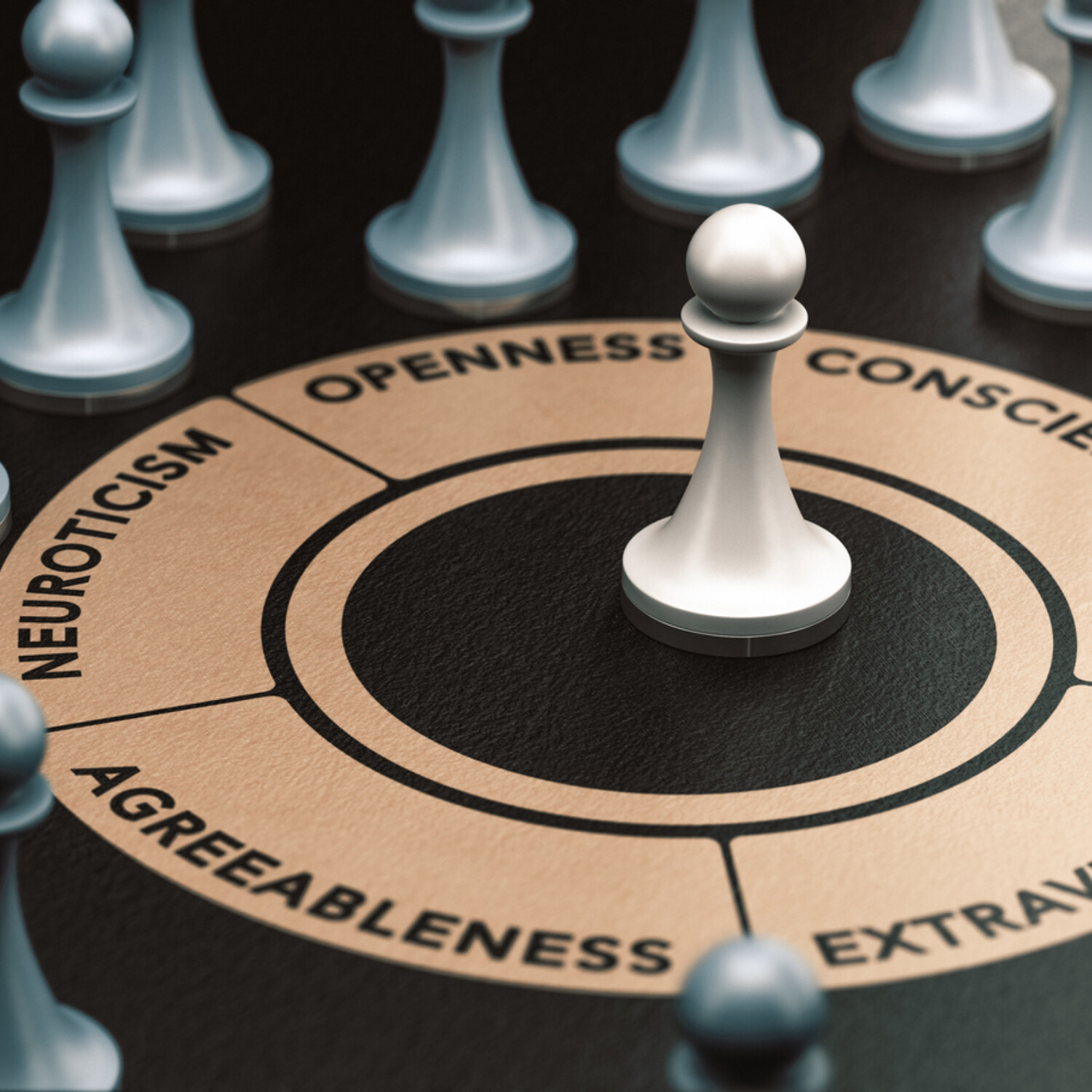
Big five personality traits: Who are you? [not-audio_url] [/not-audio_url]

Duration: 11:54
An individual’s personality traits define how they perceive the world around them. It is a set of characteristics and features that cause them to think, feel, and behave in a particular way. Personality traits are charac…
Doom and Gloom Thinking [not-audio_url] [/not-audio_url]

Duration: 13:51
Doom and Gloom Thinking Expecting the worst to happen in any situation can harm your mental health. How do we stop this unhealthy thinking Imagine you’ve applied for a dream appointment and have now been nominated for th…