Why Do I Feel More Anxious at Night?

Why Do I Feel More Anxious at Night?

Author: Mental Health Training Information March 27, 2023 Duration: 7:27

Why Do I Feel More Anxious at Night?

The quiet hours can bring a lot of internal chatter, and here’s how to deal with it.

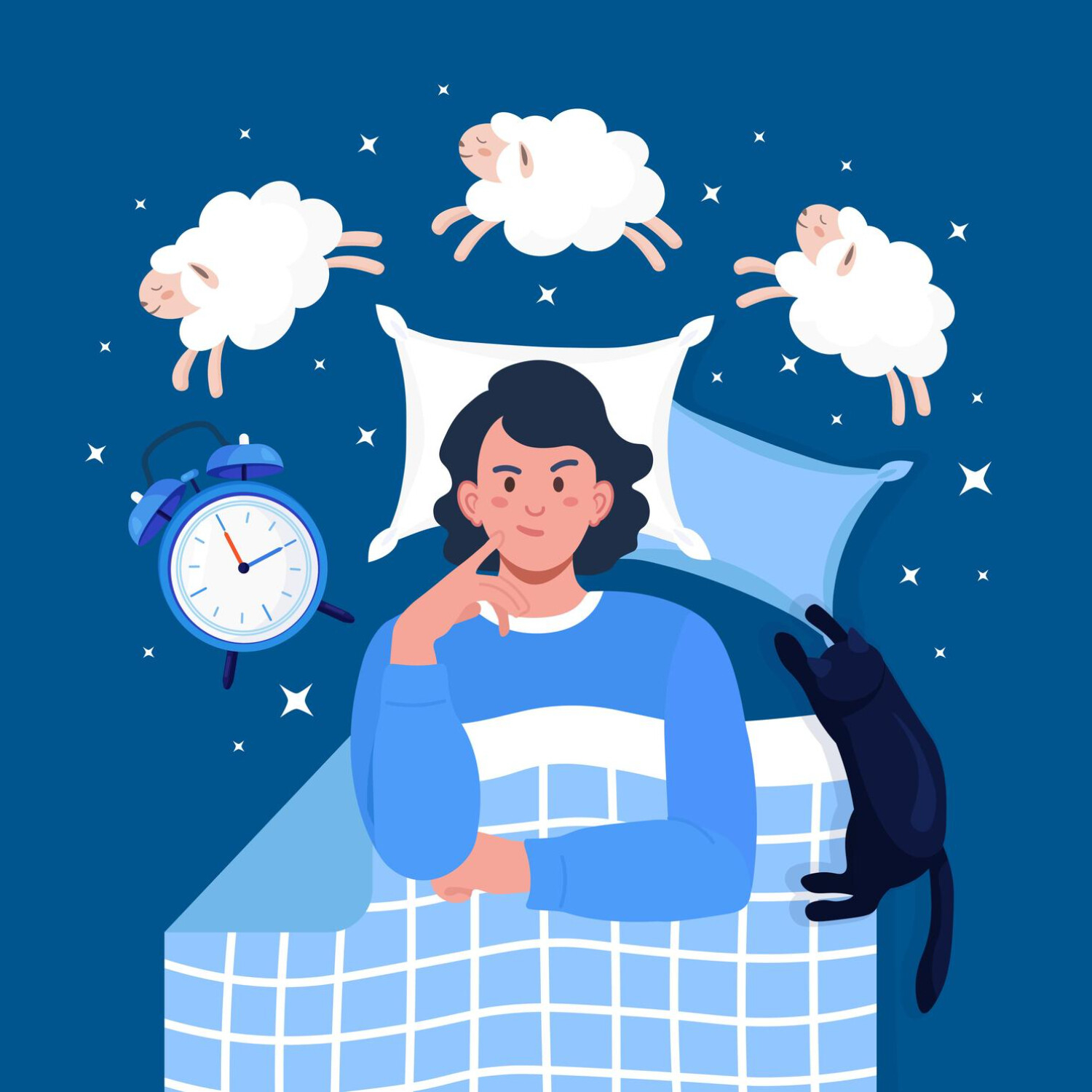
Whenever you try to fall asleep at night, many anxious thoughts and embarrassing memories come racing into your mind, preventing you from drifting off. Why does this happen, and can you do anything about it?

Experts say that whether you’re throbbing through tomorrow’s to-do list or dwelling on past regrets, it’s normal for worries and fears to surface at night.

According to an October 2022 survey of 3,192 adults in the United States, 34 per cent of respondents reported feeling anxious or nervous within the past month. And 32 per cent said that their stress had led to changes in their sleeping habits, including difficulties with falling asleep.

However, there is an evolutionary purpose to evening anxiety, said Dr. Rafael Pelayo, a clinical professor of psychiatry and behavioural sciences in sleep medicine at Stanford Medicine and author of the book, “How to Sleep.”

“Sleep is the most dangerous thing we can do,” he said, and being hyper-aware of our surroundings allowed our ancestors to spot any incoming threats.

But when your anxiety keeps you awake, you not only miss out on the health benefits of sleep, you might kick off a vicious cycle of poor sleep routine and increased stress that can be hard to break.

“Sleep loss is often a precursor for anxiety disorders, and anxiety leads to sleep loss,” said Dr. Sarah Chellappa, a neuroscientist at the University of Cologne in Germany.

Here’s what the experts say you can do if your overactive mind keeps you awake.

The cruel connection between anxiety and sleep

Anxiety can surface at any time, but there are a few reasons it may feel more intense at bedtime, said Candice Alfano, director of the Sleep and Anxiety Center at the University of Houston. “Most of us are incredibly busy during the waking hours; our attention is pulled in many different directions, so we have limited time to think about our worries,” she said. 

“But at night, while we lie in bed, there are few distractions from the thoughts that make us anxious.”

This can lead to a frustrating problem: We can’t sleep because those anxious thoughts make us think we are unsafe, making us more alert by raising our heart rates and tightening our muscles.

Essentially, the body can’t quite tell if the source of our troubles is a physical threat, like a tiger about to pounce, or an upcoming presentation you’re nervous about making at school — it just gets the memo to stay awake.

At a basic level,” Dr. Pelayo said, “feeling in danger or under stress is the same mechanism in the brain.”

Worse, sleep loss has been shown to produce more anxious thoughts. In a 2019 review published in the journal Sleep Medicine Reviews, researchers concluded that insomnia was a significant predictor of anxiety, among other mental health conditions. 

The researchers explained that sleep helps us distinguish between threatening and safe, so we aren’t as good at responding to stress, fear and anxiety, without adequate sleep. This could, in turn, mean more negative thoughts that can interfere with shut-eye.

The good news is that solid sleep can also make your anxiety better over time, experts say.

How to slow anxious thoughts at night

Since better sleep helps decrease anxiety, general good sleep hygiene practices — like going to bed and waking up at the exact time every day and avoiding any blue light technology before bedtime — can help on both fronts, Dr. Alfano said.

The tips below, however, might help you reduce anxious bedtime thinking.

Caffeine is a stimulant. Caffeine’s half-life is approximately five hours, meaning if you have an eight-ounce cup of coffee at 4 p.m., you’ll still have half that cup’s caffeine in your system by 9 p.m. That’s a problem because caffeine keeps you awake and is known for making anxiety symptoms worse,


We all navigate a world that constantly tests our emotional and psychological resilience, yet practical guidance on maintaining mental well-being can feel scattered or overly clinical. Mental Health Training cuts through the noise, offering grounded conversations that connect the dots between personal fitness, our cultural environment, and the health of our relationships. Hosted by Mental Health Training Information, each episode functions like an accessible workshop, translating complex psychological concepts into everyday language and actionable strategies. You’ll hear discussions that range from managing daily stressors and building emotional fitness to understanding how societal pressures shape our individual mental landscapes. This isn't about quick fixes; it's about cultivating a sustainable, informed approach to your inner life. The podcast draws from a broad spectrum of expertise, reflecting its roots in education and society, to provide listeners with a comprehensive toolkit. Tune in for a thoughtful blend of personal stories, expert insights, and practical exercises designed to strengthen your mental framework. Find more depth and continue the conversation beyond the audio by visiting the show's website for extended resources. This is a space for anyone looking to move beyond awareness and into the practice of genuine mental health training.
Author: Language: English Episodes: 100

Mental Health Training
Podcast Episodes
Inner Calm For Internal Peace [not-audio_url] [/not-audio_url]

Duration: 3:56
Inner Calm For Internal peace What if someone told you that you could control your brain? Well, the good news is you can. All you need is some practice and a bit of knowledge. Neuroscience isn’t rocket science, and it’s…
Were You Taught the Definition of Insanity When You Were Young? [not-audio_url] [/not-audio_url]

Duration: 2:30
Were You Taught the Definition of Insanity When You Were Young? A lot of adults never grasp the true definition of insanity. You might be thinking of some defining terms yourself. While there could be many definitions of…
The Snowflake Philosophy [not-audio_url] [/not-audio_url]

Duration: 17:28
The Snowflake Philosophy Generation Snowflake has become the new norm. This article examines the nature of the Snowflake at the end of today’s cultural climate, and it also looks like the overly sensitive Snowflake chara…
Why is it important to listen to other people views [not-audio_url] [/not-audio_url]

Duration: 2:41
Why is it important to listen to other’s people views When you disagree with someone, likely, you don’t want to waste your time listening to their views. Although listening to something you disagree with isn’t always fun…
Anger Management Information [not-audio_url] [/not-audio_url]

Duration: 5:04
Anger Management Information There is plenty of relevant anger management information. First and foremost it is imperative to understand the anger and the consequences of anger. Anger management will not work without kno…
Consider Using Support Groups for Traumatic Incidents [not-audio_url] [/not-audio_url]

Duration: 3:04
Consider Using Support Groups for Traumatic Incidents It’s always a good idea to let the past stay in the past. However, a traumatic experience can make this more challenging. Any incidents may affect the abilities of a…
What Does It Mean to be Innovative [not-audio_url] [/not-audio_url]

Duration: 3:13
What Does It Mean to be Innovative? Innovation. We hear that term each time we see a new product come out. It’s easy to think of innovation as creating something never thought of before. That’s not always the case. For e…
Are Creativity and Innovation the Same Thing? [not-audio_url] [/not-audio_url]

Duration: 3:11
Are Creativity and Innovation the Same Thing? Creativity and innovation are often used interchangeably. In reality, they are more like two sides of the same coin. When put together, they have different functions that pro…

«1...678910