Nuclear doubts, bigger hail, and new clues about aging brains

Nuclear doubts, bigger hail, and new clues about aging brains

Author: Scientific American March 16, 2026 Duration: 11:20
In this episode of Science Quickly, we cover the record release of global emergency oil reserves amid escalating conflict, a breakdown of why nuclear experts say Iran was not close to building a nuclear weapon, new research that shows how climate change is increasing both the likelihood and size of severe hail and a study that reveals how aging gut microbiomes may impair cognitive function through the gut-brain connection. Recommended Reading: War in Iran triggers an unprecedented disruption in global oil Iran was nowhere close to a nuclear bomb, experts say The reason the Middle East has so much oil is the same reason it’s all stuck there now The gut microbiome may influence brain aging, mouse study suggests E-mail us at sciencequickly@sciam.com if you have any questions, comments or ideas for stories we should cover! Discover something new everyday: subscribe to Scientific American and sign up for Today in Science, our daily newsletter. Learn more about your ad choices. Visit megaphone.fm/adchoices

Ever feel like you want to stay on top of the latest science news but don't have hours to dig through journals? That's the space where Science Quickly lives. Each episode is a compact, engaging conversation designed to fit into your daily routine, whether you're commuting or just taking a break. Host Rachel Feltman brings her sharp curiosity and a journalist's eye to every topic, joined by other seasoned reporters from Scientific American who are out there talking to the researchers on the front lines. You'll hear more than just headlines; this podcast delves into the how and why behind fascinating discoveries, from quirky animal behaviors to groundbreaking climate tech and the inner workings of the human brain. The tone is conversational and often witty, making complex ideas accessible without oversimplifying them. It’s a variety show in the best sense, meaning you might explore a deep dive on neutrino detection one day and the science of a perfect cookie the next. Tuning in regularly feels like having a direct line to the most interesting developments, explained by people who are genuinely excited to share them. For anyone with a budding interest in how the world works or a long-time science enthusiast looking for a efficient update, this series from Scientific American consistently delivers substance and surprise in a manageable format.
Author: Language: en-us Episodes: 100

Science Quickly
Podcast Episodes
Alexis Hall turns Moby-Dick into a wild sci‑fi adventure [not-audio_url] [/not-audio_url]

Duration: 21:08
In this episode of Science Quickly, author Alexis Hall discusses Hell’s Heart, their sci‑fi reimagining of Moby-Dick. Hall dives into how a lockdown reread of Herman Melville’s novel sparked a vision of space whales, art…
U.S. measles cases surge as vaccination rates drop [not-audio_url] [/not-audio_url]

Duration: 14:54
In this episode of Science Quickly, we examine the surge in measles cases across the U.S., exploring how falling measles, mumps and rubella (MMR) vaccination rates, the rising use of exemptions and pockets of misinformat…
Artemis II, endangered species and oil, snowpack crisis [not-audio_url] [/not-audio_url]

Duration: 11:46
In this episode of Science Quickly, we give you a quick update on NASA’s Artemis II moon mission before digging into a move by the Trump administration that could endanger wildlife in the Gulf of Mexico. Later Andrea Tho…
Why NASA is betting big on Artemis II moon mission [not-audio_url] [/not-audio_url]

Duration: 19:47
In this episode of Science Quickly, we break down the successful launch of NASA’s Artemis II mission—the first crewed journey toward the moon in more than 50 years—as space editor Lee Billings explains how the Orion spac…
We weren’t supposed to have chins [not-audio_url] [/not-audio_url]

Duration: 13:37
Humans are the only species that has chins. How this unique trait evolved has always been somewhat of a mystery. In this episode of Science Quickly, host Kendra Pierre-Louis talks to paleoanthropologist Lauren Schroeder,…
You’ve been lied to about pain—here’s the truth [not-audio_url] [/not-audio_url]

Duration: 22:39
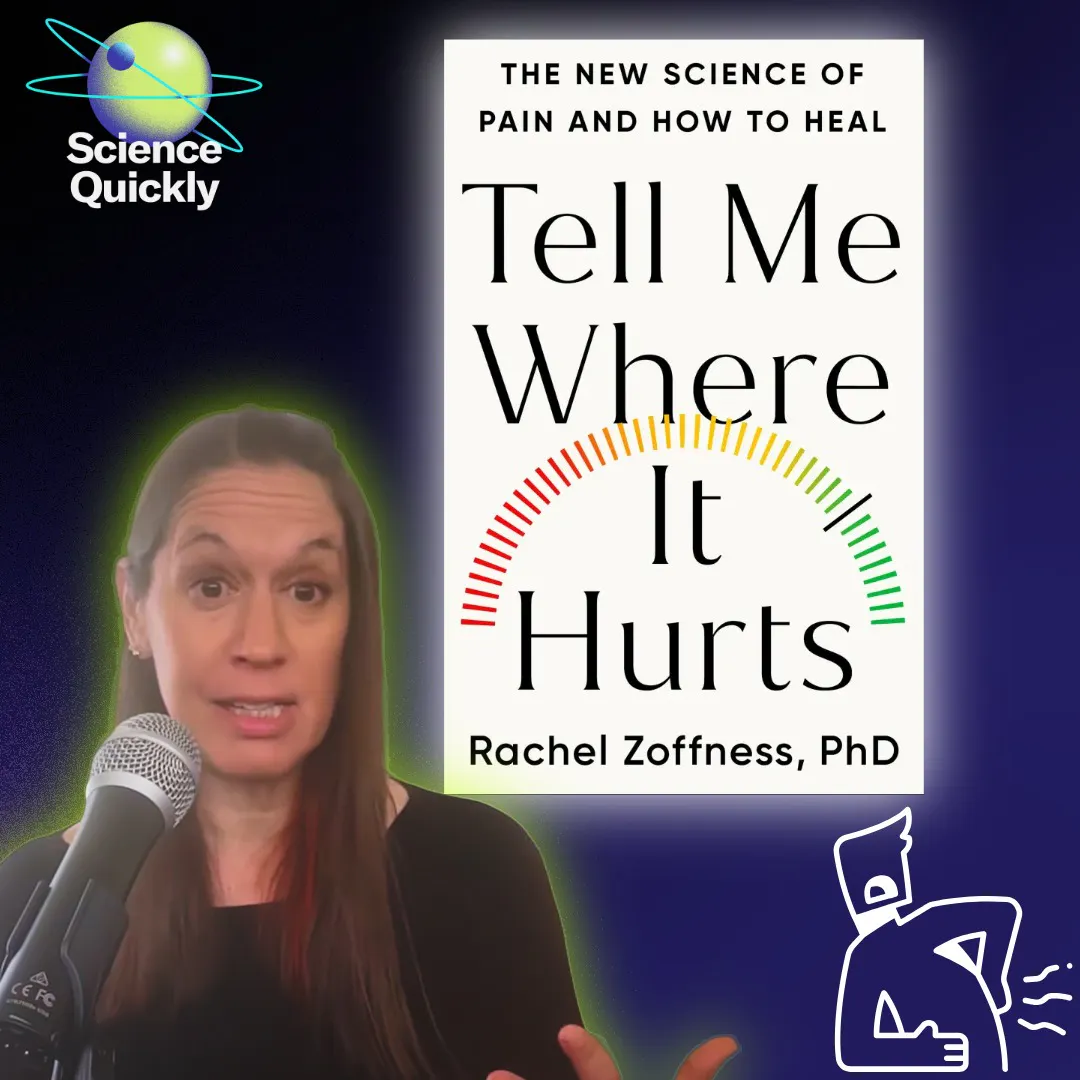
In this episode of Science Quickly, pain scientist Rachel Zoffness reveals why pain isn’t just a body problem but also a brain‑driven warning system that we’ve been misunderstanding for decades. She and host Kendra Pierr…
Can AI do math, or does it just act like a calculator? [not-audio_url] [/not-audio_url]

Duration: 16:24
In this episode of Science Quickly, Kendra Pierre-Louis and SciAm reporter Joe Howlett explore a new math challenge designed to test whether today’s AI models can truly tackle cutting‑edge proofs. They break down how the…
Heat dome, legal win for vaccines, lead-tainted clothes [not-audio_url] [/not-audio_url]

Duration: 11:49
In this episode of Science Quickly, Andrea Thompson, senior desk editor for life sciences at Scientific American, joins host Kendra Pierre-Louis to discuss the recent heat wave in parts of the U.S. We’ll also dive into a…
Andy Weir spills the space tea on Ryan Gosling and Project Hail Mary [not-audio_url] [/not-audio_url]

Duration: 14:02
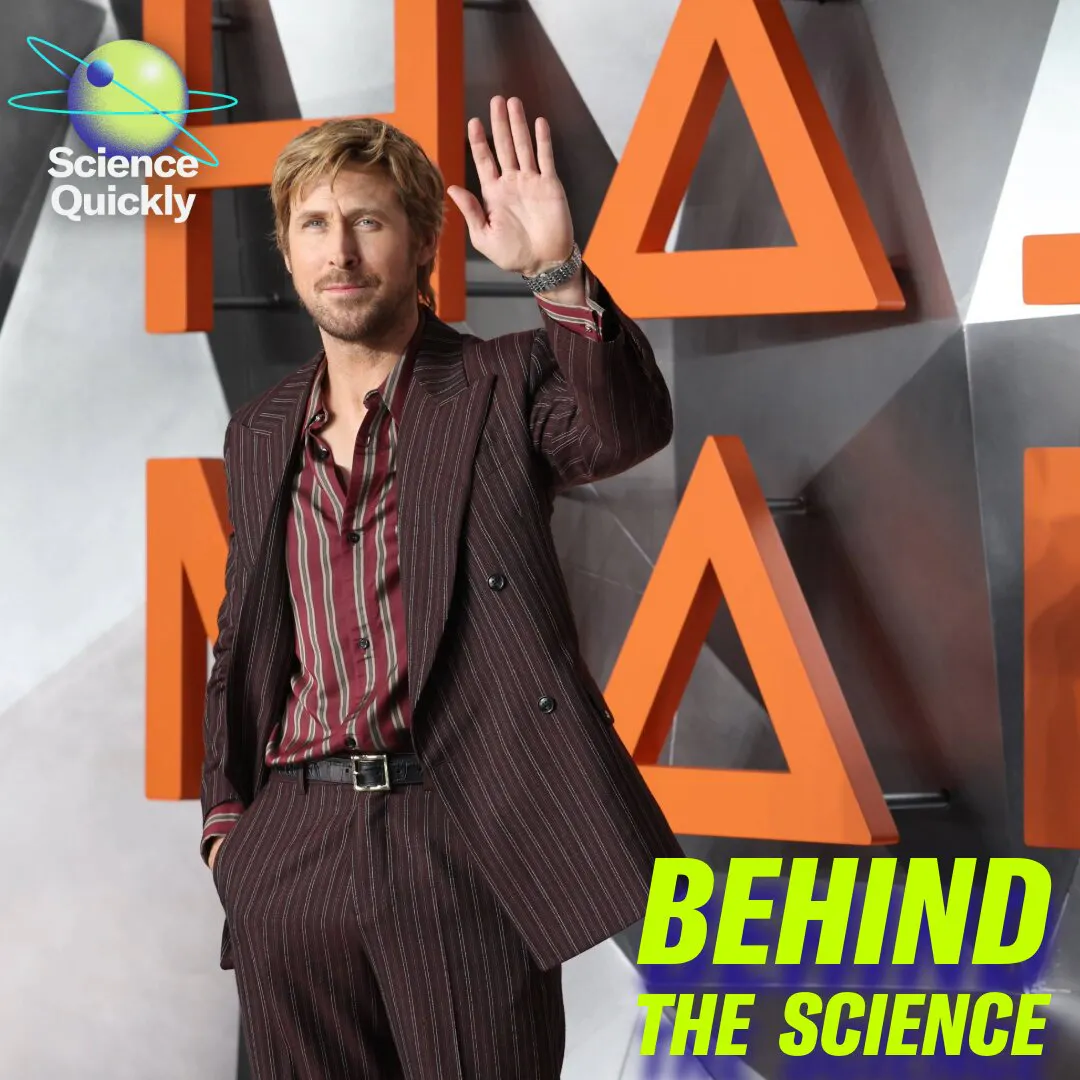
In this episode of Science Quickly, author Andy Weir joins SciAm’s Bri Kane to talk all things Project Hail Mary—from working with Ryan Gosling on the new film adaptation of the book to building the extraterrestrial char…