Nuclear doubts, bigger hail, and new clues about aging brains

Nuclear doubts, bigger hail, and new clues about aging brains

Author: Scientific American March 16, 2026 Duration: 11:20
In this episode of Science Quickly, we cover the record release of global emergency oil reserves amid escalating conflict, a breakdown of why nuclear experts say Iran was not close to building a nuclear weapon, new research that shows how climate change is increasing both the likelihood and size of severe hail and a study that reveals how aging gut microbiomes may impair cognitive function through the gut-brain connection. Recommended Reading: War in Iran triggers an unprecedented disruption in global oil Iran was nowhere close to a nuclear bomb, experts say The reason the Middle East has so much oil is the same reason it’s all stuck there now The gut microbiome may influence brain aging, mouse study suggests E-mail us at sciencequickly@sciam.com if you have any questions, comments or ideas for stories we should cover! Discover something new everyday: subscribe to Scientific American and sign up for Today in Science, our daily newsletter. Learn more about your ad choices. Visit megaphone.fm/adchoices

Ever feel like you want to stay on top of the latest science news but don't have hours to dig through journals? That's the space where Science Quickly lives. Each episode is a compact, engaging conversation designed to fit into your daily routine, whether you're commuting or just taking a break. Host Rachel Feltman brings her sharp curiosity and a journalist's eye to every topic, joined by other seasoned reporters from Scientific American who are out there talking to the researchers on the front lines. You'll hear more than just headlines; this podcast delves into the how and why behind fascinating discoveries, from quirky animal behaviors to groundbreaking climate tech and the inner workings of the human brain. The tone is conversational and often witty, making complex ideas accessible without oversimplifying them. It’s a variety show in the best sense, meaning you might explore a deep dive on neutrino detection one day and the science of a perfect cookie the next. Tuning in regularly feels like having a direct line to the most interesting developments, explained by people who are genuinely excited to share them. For anyone with a budding interest in how the world works or a long-time science enthusiast looking for a efficient update, this series from Scientific American consistently delivers substance and surprise in a manageable format.
Author: Language: en-us Episodes: 100

Science Quickly
Podcast Episodes
Want to smell more attractive? Try these foods [not-audio_url] [/not-audio_url]

Duration: 12:52
Many people turn to expensive perfumes to elevate their natural scent and smell more pleasant to others. But what if you could achieve that just by switching up your diet? In this episode of Science Quickly, host Kendra…
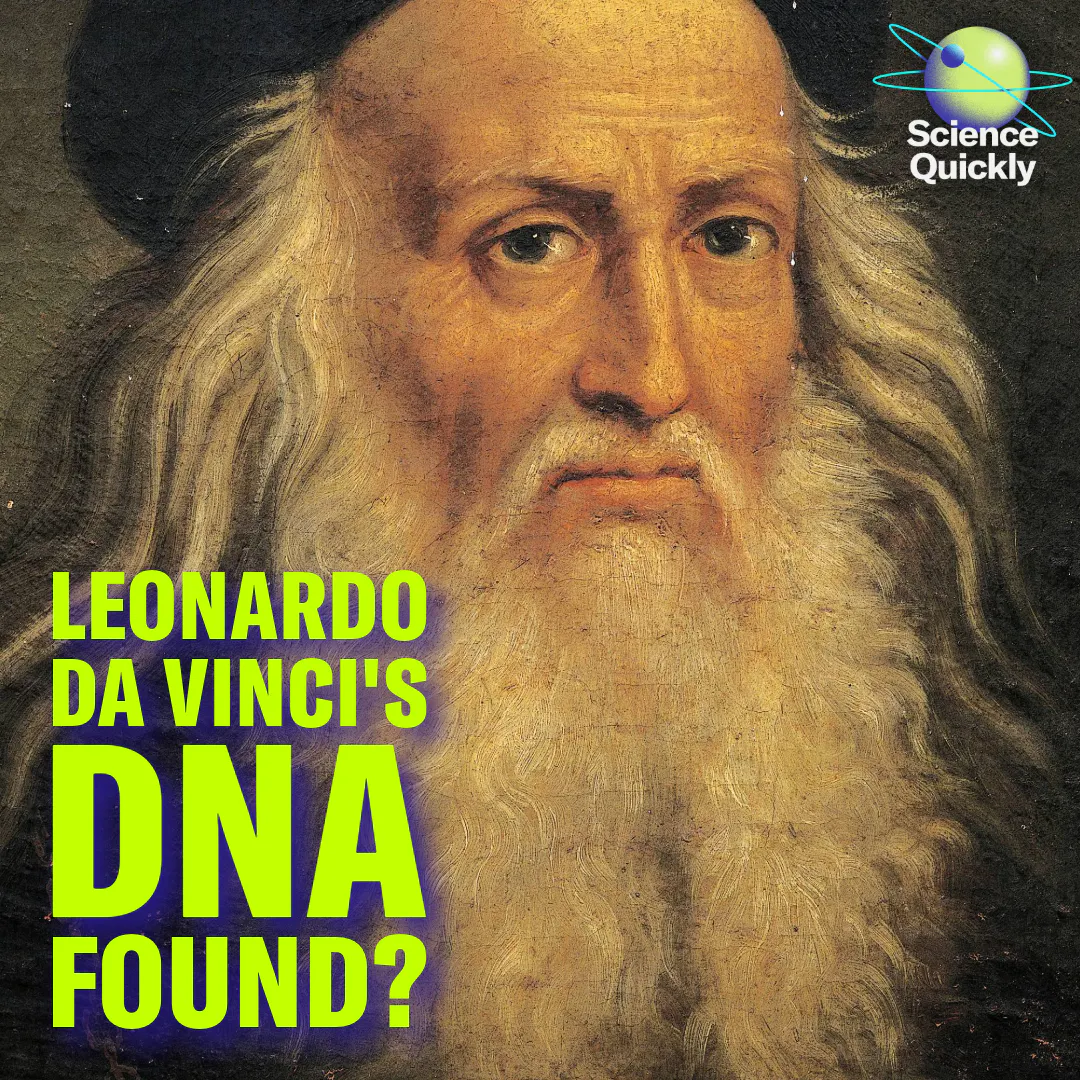
The quest for Leonardo da Vinci’s DNA [not-audio_url] [/not-audio_url]

Duration: 18:33
In this episode of Science Quickly, host Kendra Pierre-Louis speaks with forensic scientist Rhonda Roby about an ambitious effort to uncover traces of Leonardo da Vinci’s DNA using modern forensic techniques. Roby and he…
What is consciousness, really? [not-audio_url] [/not-audio_url]

Duration: 16:16
In this episode, we explore what consciousness is, how the brain creates it and what current science says about dreams, anesthesia, animals and even artificial intelligence. Scientific American’s associate editor Allison…
How Venezuela’s Heavy Crude Shapes Climate Risks [not-audio_url] [/not-audio_url]

Duration: 18:34
In this episode, we dive into the climate stakes behind Venezuela’s vast but troubled oil reserves and the country’s mounting tensions with neighboring Guyana. Climate reporter Amy Westervelt breaks down why the region’s…
The Great Seed Oil Panic [not-audio_url] [/not-audio_url]

Duration: 17:20
Seed oils have become a target of wellness influencers and high-profile public officials. They say that these widely used and relatively inexpensive oils, which include canola, soybean and sunflower oil, are toxic. But d…
Weighing the Good and Bad of Weight-Loss Drugs [not-audio_url] [/not-audio_url]

Duration: 22:18
Drugs known as glucagon-like peptide-1 receptor agonists, colloquially called GLP-1 medications, have gone from relatively obscure diabetes treatments to blockbuster weight-loss medications. But is the hype backed up by…
America’s Children Face a New Era of Health Risk [not-audio_url] [/not-audio_url]

Duration: 14:36
Recent federal public health changes could affect children’s health, from vaccine access to essential medical care. In this episode, senior editor Dan Vergano breaks down what shifting national guidelines may mean for ki…