Nuclear doubts, bigger hail, and new clues about aging brains

Nuclear doubts, bigger hail, and new clues about aging brains

Author: Scientific American March 16, 2026 Duration: 11:20
In this episode of Science Quickly, we cover the record release of global emergency oil reserves amid escalating conflict, a breakdown of why nuclear experts say Iran was not close to building a nuclear weapon, new research that shows how climate change is increasing both the likelihood and size of severe hail and a study that reveals how aging gut microbiomes may impair cognitive function through the gut-brain connection. Recommended Reading: War in Iran triggers an unprecedented disruption in global oil Iran was nowhere close to a nuclear bomb, experts say The reason the Middle East has so much oil is the same reason it’s all stuck there now The gut microbiome may influence brain aging, mouse study suggests E-mail us at sciencequickly@sciam.com if you have any questions, comments or ideas for stories we should cover! Discover something new everyday: subscribe to Scientific American and sign up for Today in Science, our daily newsletter. Learn more about your ad choices. Visit megaphone.fm/adchoices

Ever feel like you want to stay on top of the latest science news but don't have hours to dig through journals? That's the space where Science Quickly lives. Each episode is a compact, engaging conversation designed to fit into your daily routine, whether you're commuting or just taking a break. Host Rachel Feltman brings her sharp curiosity and a journalist's eye to every topic, joined by other seasoned reporters from Scientific American who are out there talking to the researchers on the front lines. You'll hear more than just headlines; this podcast delves into the how and why behind fascinating discoveries, from quirky animal behaviors to groundbreaking climate tech and the inner workings of the human brain. The tone is conversational and often witty, making complex ideas accessible without oversimplifying them. It’s a variety show in the best sense, meaning you might explore a deep dive on neutrino detection one day and the science of a perfect cookie the next. Tuning in regularly feels like having a direct line to the most interesting developments, explained by people who are genuinely excited to share them. For anyone with a budding interest in how the world works or a long-time science enthusiast looking for a efficient update, this series from Scientific American consistently delivers substance and surprise in a manageable format.
Author: Language: en-us Episodes: 100

Science Quickly
Podcast Episodes
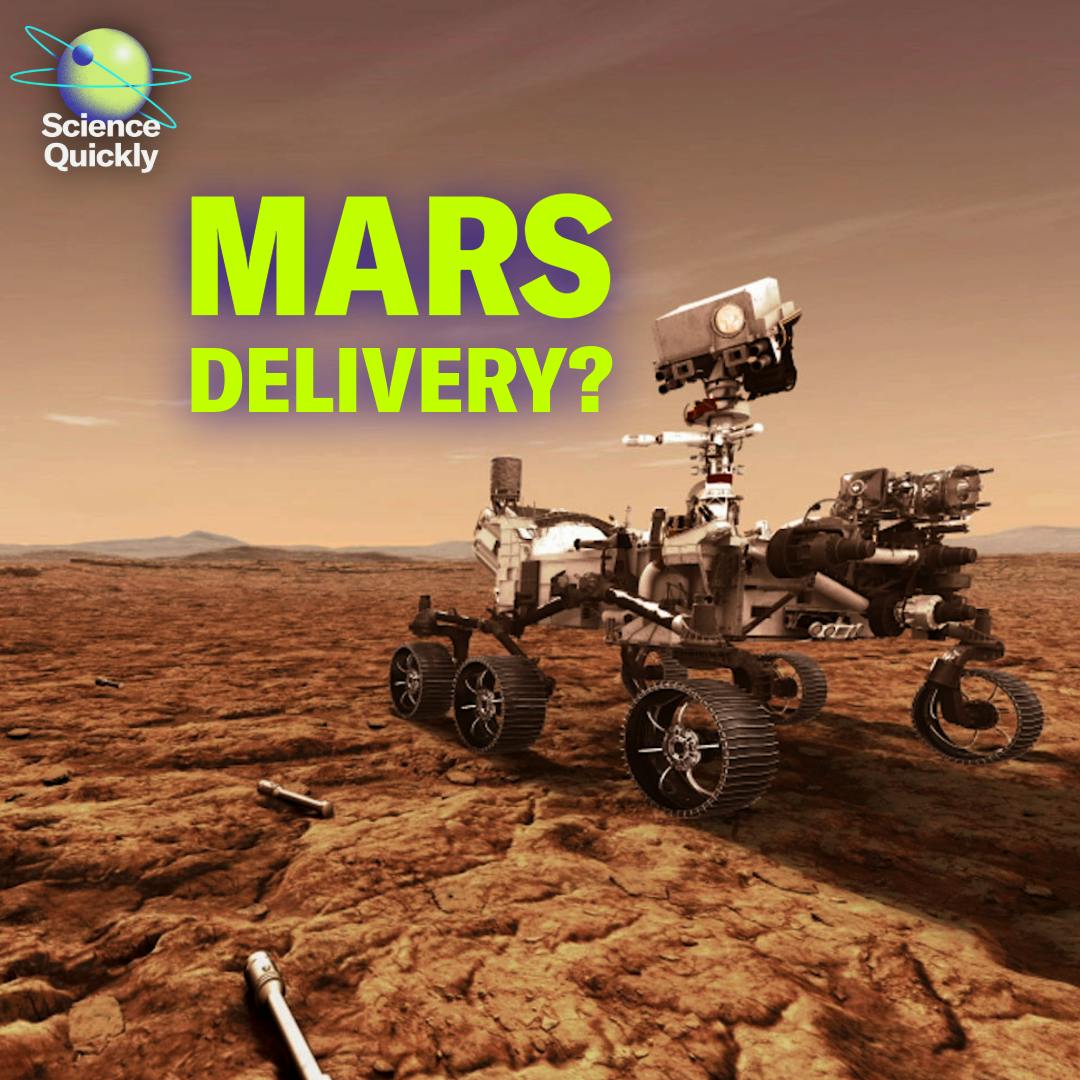
Can NASA Deliver on Perseverance’s Promise to Reveal Life on Mars? [not-audio_url] [/not-audio_url]

Duration: 16:27
NASA’s Perseverance rover has spent nearly five years roaming the Martian surface in search of clues to ancient life. But the ambitious plan to return its precious rock samples to Earth is now on shaky ground. Scientific…
CDC Vaccine Panel, Satellite Light Pollution, Puppy Power [not-audio_url] [/not-audio_url]

Duration: 9:48
Scientific American associate editor Lauren J. Young breaks down key vaccine recommendations from the Centers for Disease Control and Prevention’s Advisory Committee on Immunization Practices. Also, the Food and Drug Adm…
New Hope for Treating Postpartum Depression? [not-audio_url] [/not-audio_url]

Duration: 14:55
Emerging research on the biology of postpartum depression is showing how little it resembles other severe mood disorders in the brain and body. Understanding these differences could be key to better screening, detection…
Scientific American Picks the Best Reads of the Year [not-audio_url] [/not-audio_url]

Duration: 11:59
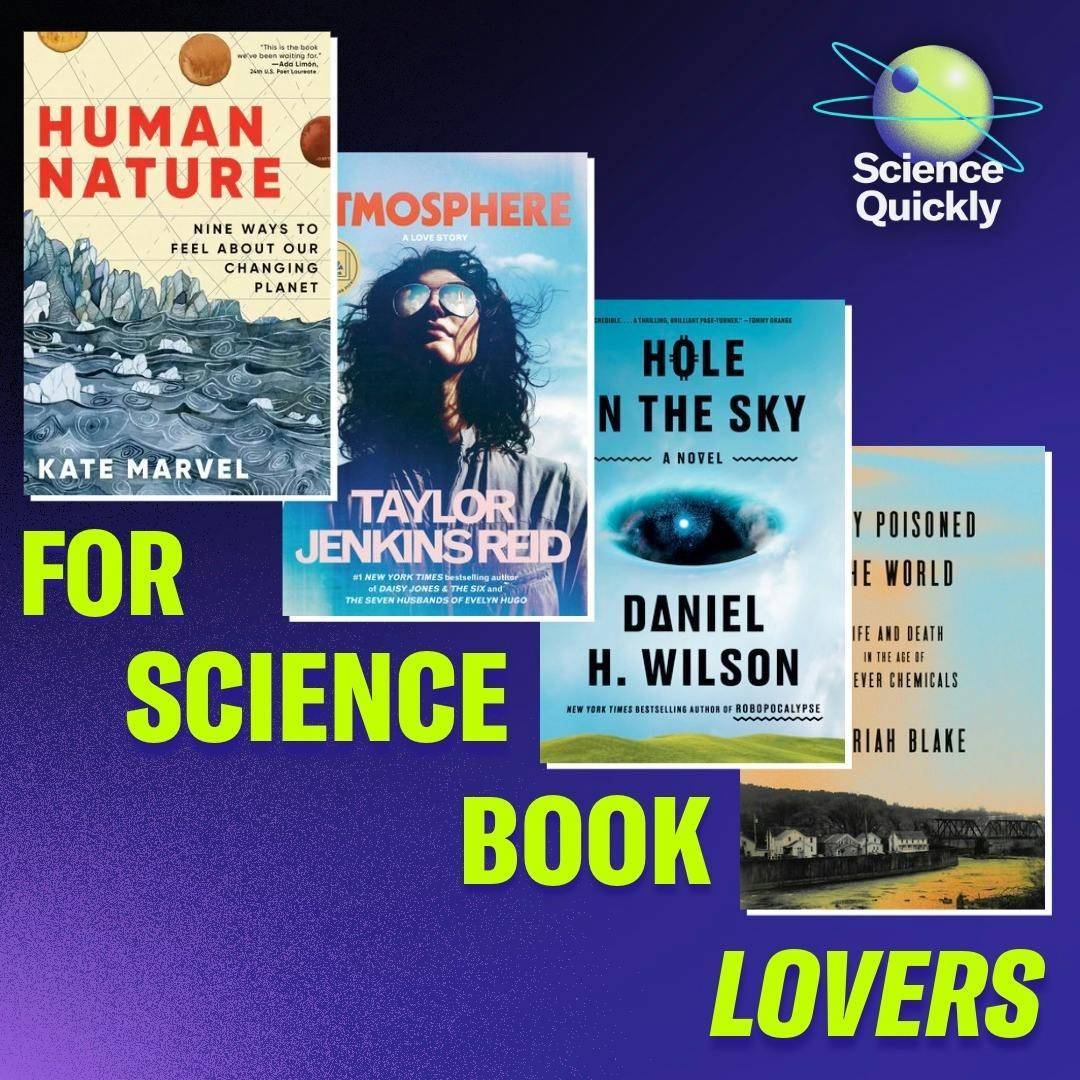
Scientific American debuts its first-ever best fiction and nonfiction book lists, featuring stories that explore climate change, alien encounters and even love stories in space. Associate books editor Bri Kane joins host…
Thanksgiving’s Iconic Bird Is Thriving Again in the Wild [not-audio_url] [/not-audio_url]

Duration: 15:57
Wild turkeys were once on the brink of disappearing from the U.S.’s forests, with populations dropping to just tens of thousands by the 1930s. Thanks to conservation efforts, their numbers have soared to more than six mi…
Tamer Raccoons, COP30 Recap, New Fluoride Research [not-audio_url] [/not-audio_url]

Duration: 9:29
Zoya Teirstein, a senior staff writer at Grist, joins host Kendra Pierre-Louis to talk about this year’s United Nations Climate Change Conference, or COP30, which wrapped up in Brazil last week. Plus, new studies debunk…
The Hidden Worlds of ‘Nanocosmos’ [not-audio_url] [/not-audio_url]

Duration: 24:20
In his new book, Nanocosmos: Journeys in Electron Space, artist and writer Michael Benson transforms scientific imaging into art, capturing intricate natural designs that inspire awe and wonder. Join host Kendra Pierre-L…
Gut Health Tips for the Holidays [not-audio_url] [/not-audio_url]

Duration: 16:57
Holiday meals can delight our taste buds while the food puts real strain on our digestion. Host Kendra Pierre-Louis talks with Northwestern University gastroenterology expert Kathryn Tomasino about why digestion is influ…
The Digital Time Capsule That Survived Two Decades [not-audio_url] [/not-audio_url]

Duration: 14:05
Our editor in chief David M. Ewalt revisits a remarkable 20-year experiment: an e-mail time capsule designed to deliver digital messages from the past into the future. What began as a tech project at Forbes evolved into…
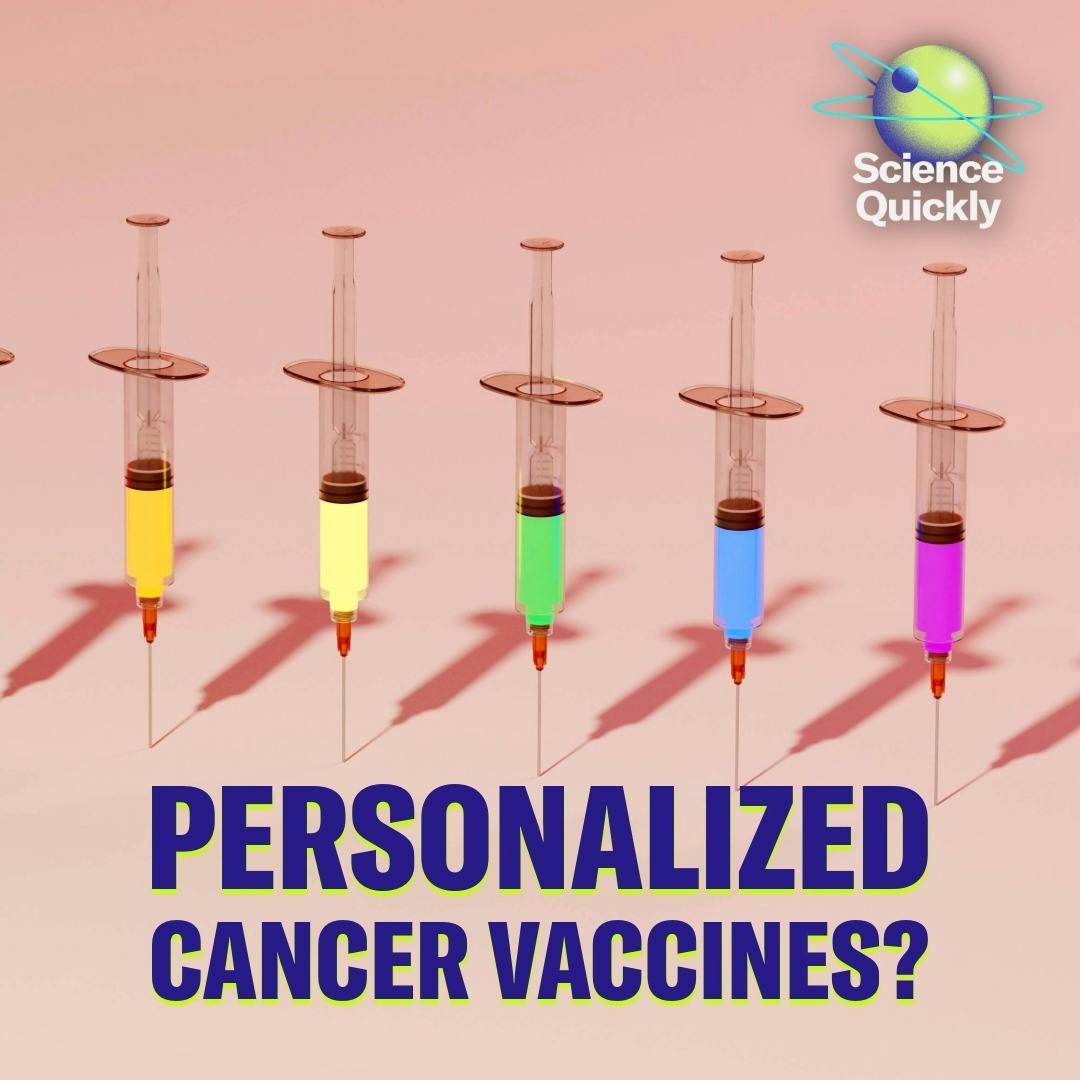
Can Vaccines Help Defeat Cancer? [not-audio_url] [/not-audio_url]

Duration: 22:04
Host Kendra Pierre-Louis speaks with reporter Rowan Moore Gerety about how mRNA vaccines, first successfully developed to protect against COVID, are now being tested to treat cancers such as pancreatic cancer. Together,…