Beethoven Symphony No. 5

Beethoven Symphony No. 5

Author: Joshua Weilerstein August 1, 2024 Duration: 1:05:06

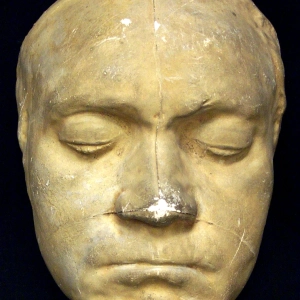
They are the most famous 8 notes in not only Western Music, but probably in all of music. If you walk down the street and ask someone to name a painting, they might say the Mona Lisa.  A movie?  Maybe Star Wars.  A piece of classical music?  Certainly, it would be Beethoven 5.  But why?  What makes those 8 notes so arrestingly powerful?  Well, this week, we're going to take a deep look at this ubiquitous piece, exploring lots of different questions.  What inspired Beethoven to write such a piece (a hint here, it probably wasn't fate knocking at the door)?  How was this symphony different from everything that came before it?  What influence did it have on composers of the future?  What are the OTHER 3 movements of the symphony like, since many people only know the first movement?  This symphony is monumentally important because in many ways it serves as the fulcrum between the classical and romantic eras. It is the most quoted piece of classical music there is, and it remains the most played symphony in the world. Today on this show from the archives, we're going to be exploring this symphony including new material that includes discoveries I've made about the symphony only in the last year or so, including the impact that the French Revolution had on the conception of this symphony. Join us!


There’s a particular kind of curiosity that draws people to classical music, but the sheer scale of the repertoire can feel overwhelming. Sticky Notes: The Classical Music Podcast, hosted by conductor Joshua Weilerstein, meets that curiosity right where it is. Think of it as a series of open conversations about the music itself, designed to be equally engaging for someone hearing a symphony for the first time and for a lifelong devotee. Episodes might feature a thoughtful interview with a performing artist, offering a glimpse behind the curtain, or they could focus entirely on a single piece, peeling back its layers to explore why it resonates. Weilerstein guides these explorations with clarity and enthusiasm, moving seamlessly from foundational concepts to more nuanced details about different musical eras. The entire premise of this podcast is built on a genuine belief that this music belongs to all of us. It’s about replacing any sense of intimidation with connection and understanding. While past seasons are gradually being re-released, each episode stands as its own invitation to listen more deeply.
Author: Language: English Episodes: 100

Sticky Notes: The Classical Music Podcast
Podcast Episodes
Brahms Violin Concerto [not-audio_url] [/not-audio_url]

Duration: 50:26
Brahms' violin concerto is one of the most difficult works for any violinist to tackle. It is as virtuosic as the hardest piece of Paganini as well as being as musically complex as a Brahms symphony. It takes most violin…
What Does Music Mean? [not-audio_url] [/not-audio_url]

Duration: 52:27
Today is a bit of an unusual episode. Last month I was invited by the British Society of Aesthetics to address their annual conference. My task was to give a lecture on whatever topic I wanted, having to do with music. S…
William Grant Still Symphony No. 1., "Afro-American" [not-audio_url] [/not-audio_url]

Duration: 1:06:34
On October 29th, 1931, The Rochester Philharmonic presented the world premiere of a new symphony by the composer William Grant Still. A symphonic premiere is always something to look out for in musical history, but this…
Mahler Symphony No. 4, Part 2 [not-audio_url] [/not-audio_url]

Duration: 59:48
If you haven't listened to Part 1 of this episode about Mahler's 4th symphony, I highly recommend doing that, as every movement of this symphony builds to the "Heavenly Life" of the last movement. On Part 2, we'll be goi…
Mahler Symphony No. 4, Part 1 [not-audio_url] [/not-audio_url]

Duration: 51:49
After the truly heavenly slow movement of Mahler's 4th symphony, a soprano emerges and sings a song literally called "The Heavenly Life." It is a symphonic ending like no other, one that leaves the listener peaceful and…
Beethoven String Quartet, Op. 132, Part 2 [not-audio_url] [/not-audio_url]

Duration: 44:37
If you joined me last week, you heard about the severe intestinal illness that Beethoven suffered from during the year of 1825. Beethoven thought that he was near death; he was spitting up blood, in terrible pain, and re…
Beethoven String Quartet, Op. 132, Part 1 [not-audio_url] [/not-audio_url]

Duration: 45:01
I had long hesitated to write a show about any of Beethoven's late string quartets. These are pieces that professional quartets spend the better part of their careers grappling with, struggling with, failing with, and mu…
Nielsen Symphony No. 4, "Inextinguishable" [not-audio_url] [/not-audio_url]

Duration: 59:36
At the top of the score for the Danish composer Carl Nielsen's 4th symphony, he wrote: "Music is life, and like it, inextinguishable." This could easily be the shortest podcast I've ever done. I could leave you with that…