Can Tariffs Really Revive 'Made in USA' Fashion?

Can Tariffs Really Revive 'Made in USA' Fashion?

Author: The Business of Fashion April 15, 2025 Duration: 26:59

In early April, President Donald Trump announced an unprecedented wave of tariffs, imposing duties as high as 145 percent on imports from China. Among the rationales offered were the prospect of a US manufacturing renaissance.


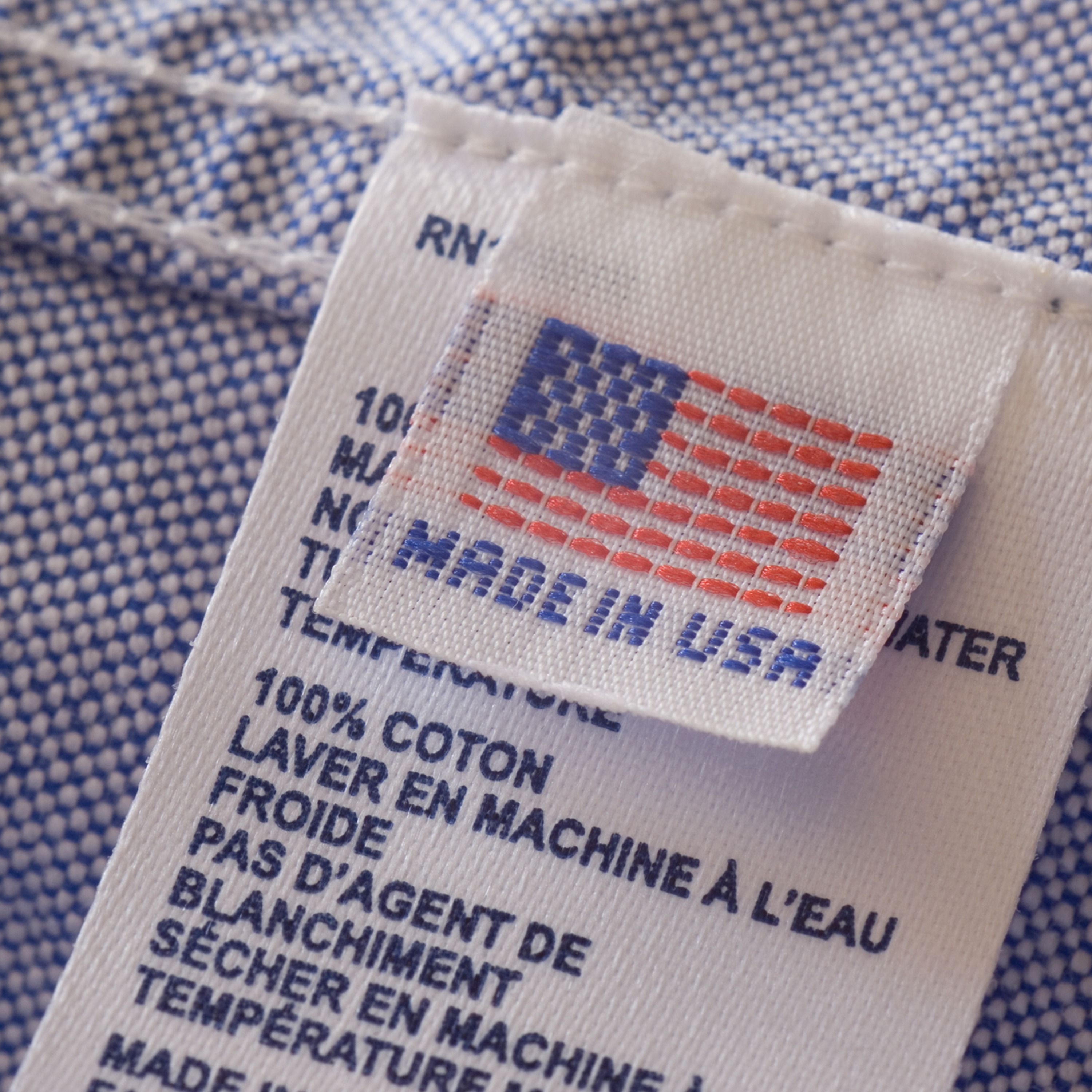
The American fashion sector – heavily reliant on overseas production, particularly in China – now faces significant disruption. Some brands are adapting quickly, leveraging their domestic operations and leaning into a ‘Made in USA’ identity. Others are reevaluating their reliance on China as their primary sourcing destination. But the prospect of a mass return of garment manufacturing jobs remains a remote possibility, most economists and fashion industry experts say. 


In this episode of The Debrief, BoF correspondents Malique Morris and Marc Bain join executive editor Brian Baskin and senior correspondent Sheena Butler-Young to assess whether the dream of American-made fashion is any closer to reality.


Key Insights: 


  • The ‘Made in USA’ dream remains out of reach due to the lack of US manufacturing infrastructure. "The infrastructure just literally isn't here," says Bain. "Even if you use US grown cotton, most of the time that cotton is shipped out of the US to be spun into yarn and woven into fabric somewhere else. These are all sorts of things that we just don't have here. It's been lost over decades and it would take decades to get it back.”


  • Brands that already manufacture domestically are seeing success from marketing craftsmanship, experience and emotional value. The outdoor clothing company Filson, for example, offers walking tours around their manufacturing facility that shares a space with their Seattle headquarters. “Fashion is already an emotional purchase, and consumers do care about the story behind a brand. That's why brand marketing is so important for building the label,” says Morris. “This is another way to tap into that. It's storytelling, not nationalism.” 


  • Whereas the US has a lack of infrastructure for manufacturing, China is in the exact opposite position. Small brands might have their supply chain concentrated in one geographical area and are especially vulnerable to tariff changes. “If that area happens to be China and suddenly there's this giant more than doubling of tariffs, you are in serious trouble,” says Bain.  


  • Although cheap overseas clothing companies like Shein and Quince will now be subject to increased duties, consumers won’t abandon cheap fashion overnight. “Even if [middle-class shoppers] are not going to buy American-made brands that are significantly more expensive, maybe they'll go second-hand, maybe they'll vintage,” says Morris. “I think the hope here is that people will just get conditioned out of the idea that they can get $2 jeans and a $10 dress.”


Additional Resources:


Hosted on Acast. See acast.com/privacy for more information.

Every week, The Debrief takes the most talked-about articles from BoF Professional and turns them into a deeper conversation. This isn't just about runway shows and red carpets; it's about the money, strategy, and often surprising forces driving the decisions we see. Hosted by seasoned BoF correspondents Sheena Butler-Young and Brian Baskin, the discussions pull back the curtain on a $2.5 trillion global industry, moving from the boardrooms of mega labels to the creative hustle of indie upstarts. You'll hear analysis of the pivotal deals, the disruptive technologies, and the powerful personalities that are constantly redefining what fashion means. The result is a clear-eyed look at the complex ecosystem where art, beauty, and commerce intersect. Tune in to this weekly podcast from The Business of Fashion for a nuanced perspective that goes far beyond the headlines, offering context and clarity on how the business actually works.
Author: Language: English Episodes: 100

The Debrief
Podcast Episodes
How Oil Shock Fears Are Rippling Through Fashion [not-audio_url] [/not-audio_url]

Duration: 25:02
As conflict between the US, Israel and Iran escalates, the threat to shipping through the Strait of Hormuz has pushed energy prices sharply higher. That matters to fashion far beyond the pump: oil and natural gas helps p…
How Fashion Picks Its Hip Hop Style Icons [not-audio_url] [/not-audio_url]

Duration: 22:06
Hip-hop has served as a primary pipeline for fashion’s entry into pop culture for decades, transitioning from organic street-level references to high-stakes global partnerships. Brands have historically leaned on a selec…
Tariffs Are Down, But Uncertainty Is Back [not-audio_url] [/not-audio_url]

Duration: 18:43
Nearly a year after President Donald Trump’s “Liberation Day” tariffs sent shockwaves through the fashion industry, the Supreme Court ruled he did not have authority to impose the sweeping levies. For an industry that im…
How Dior and Chanel Are Winning Back Aspirational Shoppers [not-audio_url] [/not-audio_url]

Duration: 19:44
After raising prices aggressively during the post-pandemic boom, luxury brands are now confronting slower growth and a shrinking aspirational customer base. According to Bernstein, average luxury price hikes reached 36 p…
How Fashion Brands Are Winning the Winter Olympics [not-audio_url] [/not-audio_url]

Duration: 23:50
While the Olympics remain one of the world’s biggest sporting stages, they are also one of the most tightly controlled marketing environments. Rules limit how sponsors can interact with athletes and advertise during the…
The New Rules for Influencer Marketing [not-audio_url] [/not-audio_url]

Duration: 24:49
Influencer marketing in 2026 is a different beast. Once dominated by follower counts and splashy sponsored posts, the sector is now shaped by richer performance data, new monetisation models and growing consumer sceptici…
Making Sense of Fashion’s Brutal Job Market [not-audio_url] [/not-audio_url]

Duration: 22:44
Across fashion, companies that once embraced remote or hybrid work are increasingly pushing employees back into the office, with some moving towards four or even five days a week. At the same time, competition for jobs,…
Have Sneakers Lost Their Cool? [not-audio_url] [/not-audio_url]

Duration: 24:09
Sneakers have driven growth for the sportswear industry for decades, in recent years accelerated by the pandemic and work-from-home culture. However, a recent Bank of America report sparked debate by suggesting the sneak…
Saks’ Bankruptcy and the Future of Luxury Retail [not-audio_url] [/not-audio_url]

Duration: 22:21
Saks’ bankruptcy was widely expected, yet still felt like a shock to the fashion system. The department store giant’s Chapter 11 filing outlines $1.75 billion in restructuring finance and $3.4 billion owed to as many as…
Inside Beauty’s 2026 M&A Pipeline [not-audio_url] [/not-audio_url]

Duration: 20:21
2026 opens with real movement in beauty deals. As first reported by The Business of Beauty, Estée Lauder is exploring a packaged sale of Too Faced, Smashbox and Dr. Jart to free up cash and refocus the portfolio. Who’s n…