Why Does Menswear All Look the Same?

Why Does Menswear All Look the Same?

Author: The Business of Fashion September 24, 2024 Duration: 26:35

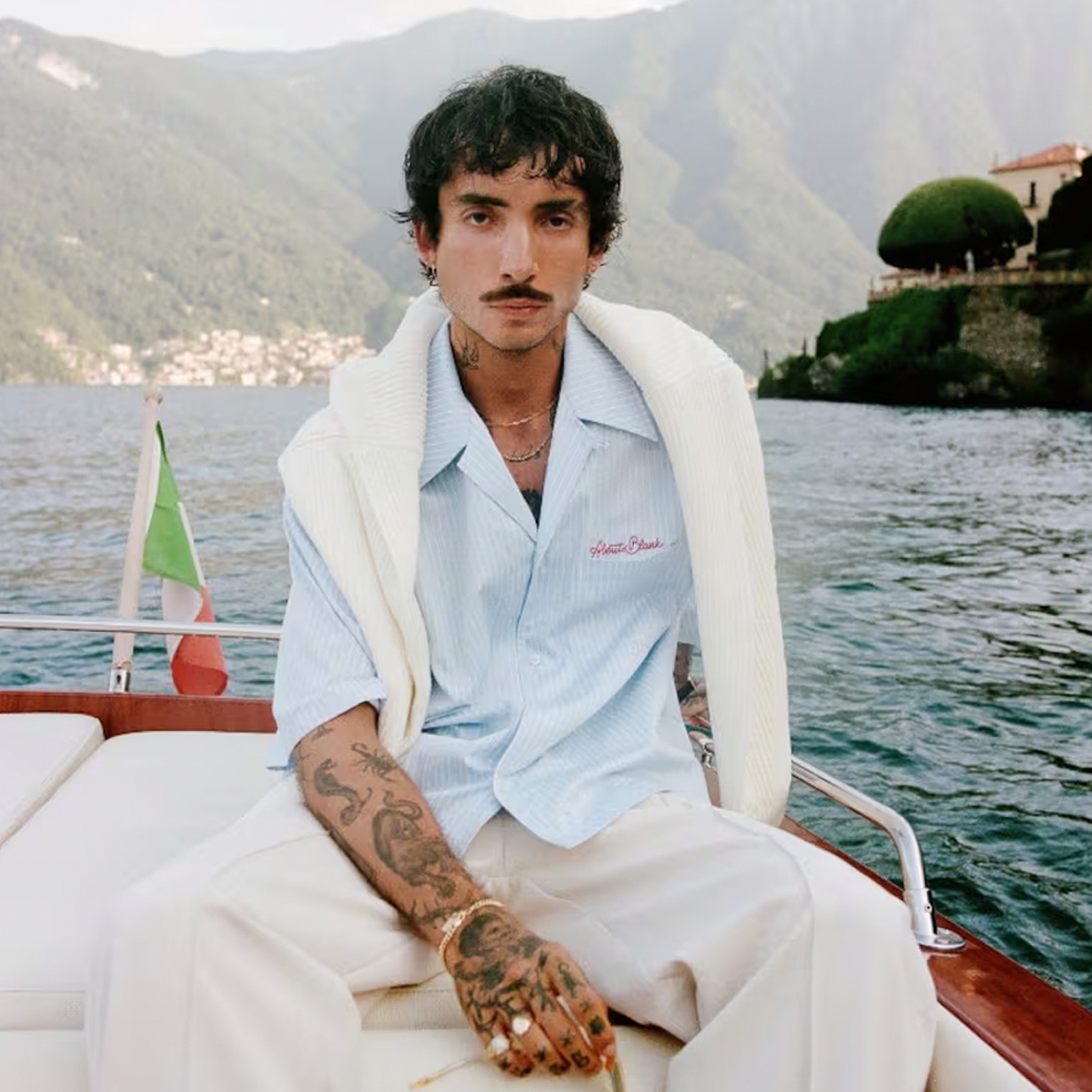
A style renaissance that changed how many men dress – mostly for the better – has congealed into a sea of sameness, at least in the eyes of a growing number of fashion critics and influencers. Too many interchangeable brands take the same approach, blending tailoring with casualwear in neutral-toned collections that are stylish but often fail to inspire. The look is often derided as a menswear “starter pack,” but remains popular with consumers. 


This week on The Debrief, Brian Baskin sits down with correspondents Malique Morris and Lei Takanashi to discuss why this “starter pack” approach works for the industry - but at the cost of long-term brand building and customer loyalty. Additionally, they probe what brands must do to recapture consumers' imagination.


“Any brand can make a good product, but what makes a brand good, especially a good menswear brand, is having a great story that's worth telling,” says Takanashi.


Key Insights:

  • Menswear brands today are following a familiar formula, leading to a prevalence of “starter pack” lookbooks. “They all do some sort of version of this. Approachability, timeless, stylish and handsome but inoffensive look,” says Morris. This marketing playbook, popularised by brands like Aimé Leon Dore and followed by many others, has led to a lack of creativity and experimentation. As Morris puts it, “everything is good and nothing is great. So if everyone can dress well, then no one is actually cool.”


  • What makes brands stand out over decades isn’t radical changes in design, but compelling storytelling and mythmaking. Morris argues consumers may not be loyal to today’s menswear brands in the long term if they're just buying into a trendy and easy to copy aesthetic. 


  • But Takanashi notes that for certain brands that are seen as authentically embracing this style, their best bet is stick to what’s worked: “I feel like in the case of brands like Aimé Leon Dore and Supreme, the long game for them is becoming a heritage label … they have such a distinct point of view that they will always have a core consumer.” As Morris puts it, “what brands should think about is just being themselves.”


Additional resources:


Hosted on Acast. See acast.com/privacy for more information.

Every week, The Debrief takes the most talked-about articles from BoF Professional and turns them into a deeper conversation. This isn't just about runway shows and red carpets; it's about the money, strategy, and often surprising forces driving the decisions we see. Hosted by seasoned BoF correspondents Sheena Butler-Young and Brian Baskin, the discussions pull back the curtain on a $2.5 trillion global industry, moving from the boardrooms of mega labels to the creative hustle of indie upstarts. You'll hear analysis of the pivotal deals, the disruptive technologies, and the powerful personalities that are constantly redefining what fashion means. The result is a clear-eyed look at the complex ecosystem where art, beauty, and commerce intersect. Tune in to this weekly podcast from The Business of Fashion for a nuanced perspective that goes far beyond the headlines, offering context and clarity on how the business actually works.
Author: Language: English Episodes: 100

The Debrief
Podcast Episodes
Why Can’t Fashion Fix Its Labour Exploitation Problem? [not-audio_url] [/not-audio_url]

Duration: 25:22
The revelation this year of child labour in India’s cotton fields and modern-day slavery in Taiwanese garment factories is the latest scandal concerning worker treatment in fashion’s supply chain. New abuses keep emergin…
Can Kering Fix Gucci? [not-audio_url] [/not-audio_url]

Duration: 30:57
Gucci has long been the shining star of Kering’s luxury portfolio, but the brand's recent struggles have exposed weaknesses in the conglomerate’s position. Gucci’s sales plummeted 24 percent in the fourth quarter of 2024…
Can Estée Lauder Win Over the Modern Beauty Consumer? [not-audio_url] [/not-audio_url]

Duration: 25:39
Estée Lauder was long celebrated as a pioneer in prestige beauty, building a global empire on the strength of family legacy, innovative product lines, smart acquisitions and a high-touch in-store experience. However in r…
Fashion’s M&A Market is Heating Up [not-audio_url] [/not-audio_url]

Duration: 26:13
After a prolonged slowdown, fashion’s M&A market is springing back to life. A combination of falling interest rates, shifting investor sentiment and optimism around economic policy has fuelled a wave of early 2025 deals.…
How to Future-Proof Your Fashion Career in 2025 [not-audio_url] [/not-audio_url]

Duration: 33:07
The fashion workplace is evolving, shaped by a wave of technological advancements, leadership changes, and cultural dynamics. For many employees, adapting to these changes has become a challenge, while employers must nav…
The Evolving Art of Brand Collaborations [not-audio_url] [/not-audio_url]

Duration: 24:03
Brand collaborations were once rare, highly anticipated events that generated significant buzz. But as they have become more frequent, the challenge lies in creating partnerships that genuinely resonate with consumers an…
How to Choose a PR Agency [not-audio_url] [/not-audio_url]

Duration: 23:21
Public relations in fashion has transformed drastically from securing magazine features to managing 360-degree brand storytelling. PR agencies now navigate everything from influencer partnerships to event management, soc…
BoF’s Top Stories of 2024 [not-audio_url] [/not-audio_url]

Duration: 27:22
Background:As the year comes to a close, BoF’s executive editor Brian Baskin and senior correspondent Sheena Butler-Young look back on some of their favourite articles from 2024. The stories include topics that dominated…
The Future of DEI and ESG in a Hostile Political Environment [not-audio_url] [/not-audio_url]

Duration: 23:49
In the late 2010s, and particularly after George Floyd’s murder in 2020, the fashion industry appeared to embrace a progressive awakening on issues like racial justice and climate change. Diversity, equity, and inclusion…
The Future of Resale [not-audio_url] [/not-audio_url]

Duration: 28:49
Resale is no longer confined to thrift stores or niche platforms; it has grown into a roughly $50 billion industry in the U.S. alone, by some measures. Platforms like Poshmark, The RealReal and Vestiaire Collective have…