365E-397-Spotting Meteors

365E-397-Spotting Meteors

Author: Albert D. Grauer December 2, 2025 Duration: 2:01
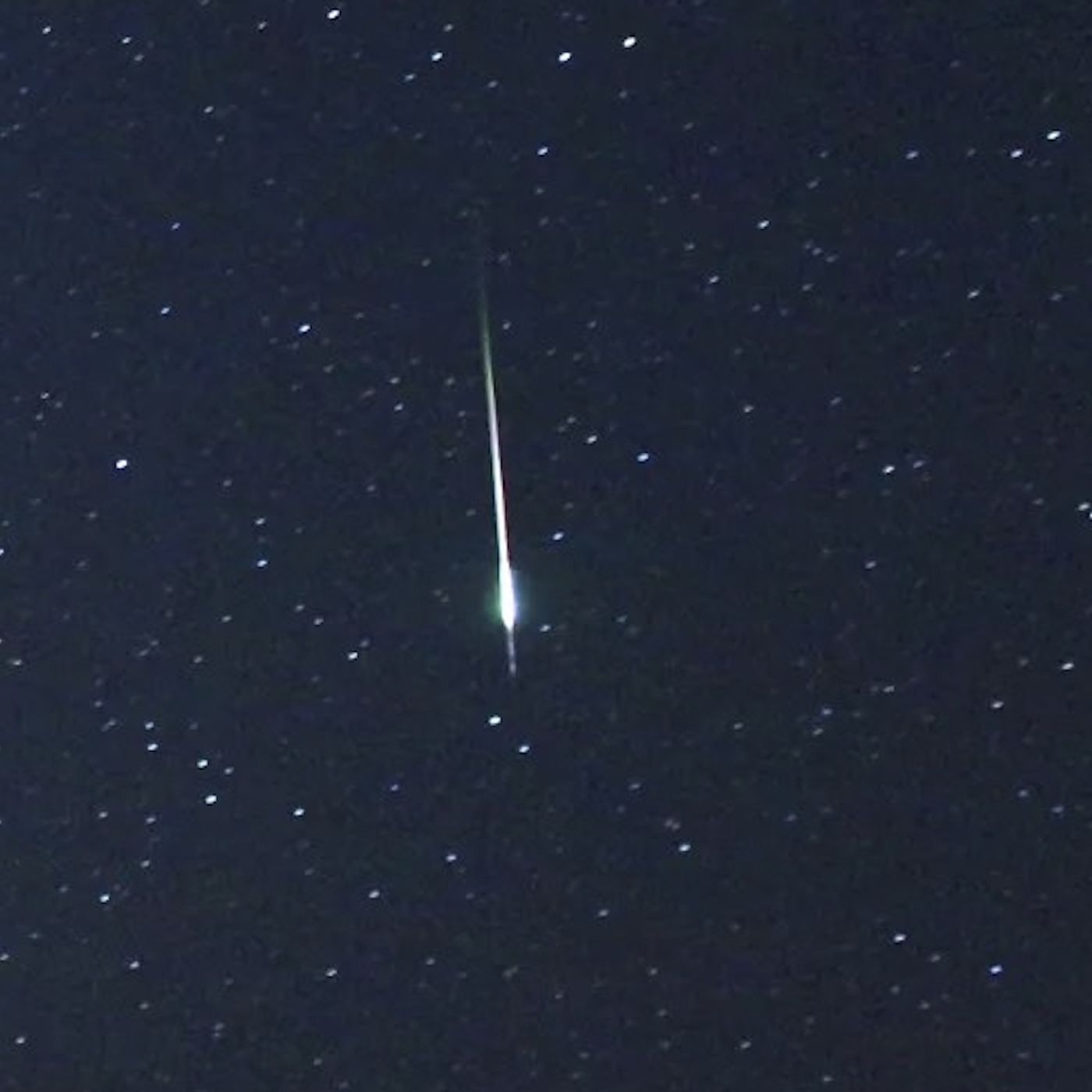
Meteors, shooting stars, or falling stars are different names for the streaks of light in the night sky which are in reality the dying embers of tiny asteroids. These small interplanetary travelers were speeding along at between 7 and 44 miles per second when they entered the Earth's atmosphere. In space, they are called meteoroids and typically ranged in size from that of a grain of sand to perhaps ones as big as of a piece of driveway gravel. Large space pebbles can produce fireballs which are brighter than the planet Venus. Most meteors burn up 50-70 miles above you, however, a very few of them produce fragments which fall to the Earth's surface. In rare occasions meteor observers are able to walk up to such a fallen space rock which is called a fall. The best time to view meteors is generally after midnight on a clear, moonless night. You will see many more meteors in a rural area than under city lights. On nights not during a meteor shower, you may expect to view sporadic meteors at the rate of between 2 and 16 per hour. Some meteor showers produce more than 100 events per hour. Rarely you will have a chance to view a meteor storm which will give you the feeling that you are seeing the Earth move through space. In 1966 one of these storms produced a WOW inspiring 40 meteors per second. During the year, there are a dozen major meteor showers. Check out the International Meteor Organization Calendar for a complete listing of the dates of meteor showers as well as how bright the moon will be on those dates. Happy viewing.

Each episode of Travelers In The Night feels like a quiet, personal conversation under a dark sky. Hosted by astronomer Dr. Albert D. Grauer, this podcast brings the distant cosmos into sharp, intimate focus. Dr. Grauer isn't just an observer; he's an active participant in the hunt, working with the Catalina Sky Survey team that has consistently discovered near-Earth asteroids for years. In these brief and engaging segments, you'll hear firsthand accounts of what it's like to track these ancient celestial travelers-the asteroids and comets that silently pass by our world. The discussions move beyond simple facts to explore the real-world implications of these discoveries, from planetary defense to the sheer wonder of our dynamic solar system. Accompanied by the contemplative music of John Lyell's "Eternity," each installment offers a moment of calm reflection on humanity's place in the universe. It’s a perfect blend of grounded science and cosmic curiosity, making complex astronomical concepts accessible and deeply fascinating. For anyone who has ever looked up and wondered what's out there moving in the dark, this podcast provides a direct line to the front lines of discovery.
Author: Language: English Episodes: 100

Travelers In The Night
Podcast Episodes
375E-410-Extraterrestrial Whales [not-audio_url] [/not-audio_url]

Duration: 2:01
In an area which is about 1/400th of the entire sky, the NASA Kepler spacecraft has discovered 30 Earth like planets which are likely to have liquid water on their surfaces orbiting distant stars. These planets are likel…
885-Dark Sky Network [not-audio_url] [/not-audio_url]

Duration: 2:01
Around the world those who value the natural night sky are evaluating the effects of light pollution. In addition to impairing astronomy and star gazing the past 100 years of increasing light pollution is proving to be h…
374E-408-Earth's Pet Rock [not-audio_url] [/not-audio_url]

Duration: 2:01
On it's gravitational leash, Earth's pet space rock, 2016 HO3, accompanies us at a distance of between 38 and 100 times the Moon's distance from Earth as we both travel about the Sun. As this tiny asteroid orbits the Sun…
884-Turkeys and Asteroids [not-audio_url] [/not-audio_url]

Duration: 2:01
Since in its early history the Earth’s surface was hot and lifeless it is likely that asteroids formed in the same era as Bennu delivered the raw materials for life when they impacted our home planet long ago
373E-407-Plant Companionship [not-audio_url] [/not-audio_url]

Duration: 2:01
On Earth, human life is enabled by plants which provide us with calories, vitamins, fuel, medicines, and oxygen to breathe. In addition, recent scientific studies indicate that plant cultivation reduces anxiety and depre…
883-Theia [not-audio_url] [/not-audio_url]

Duration: 2:01
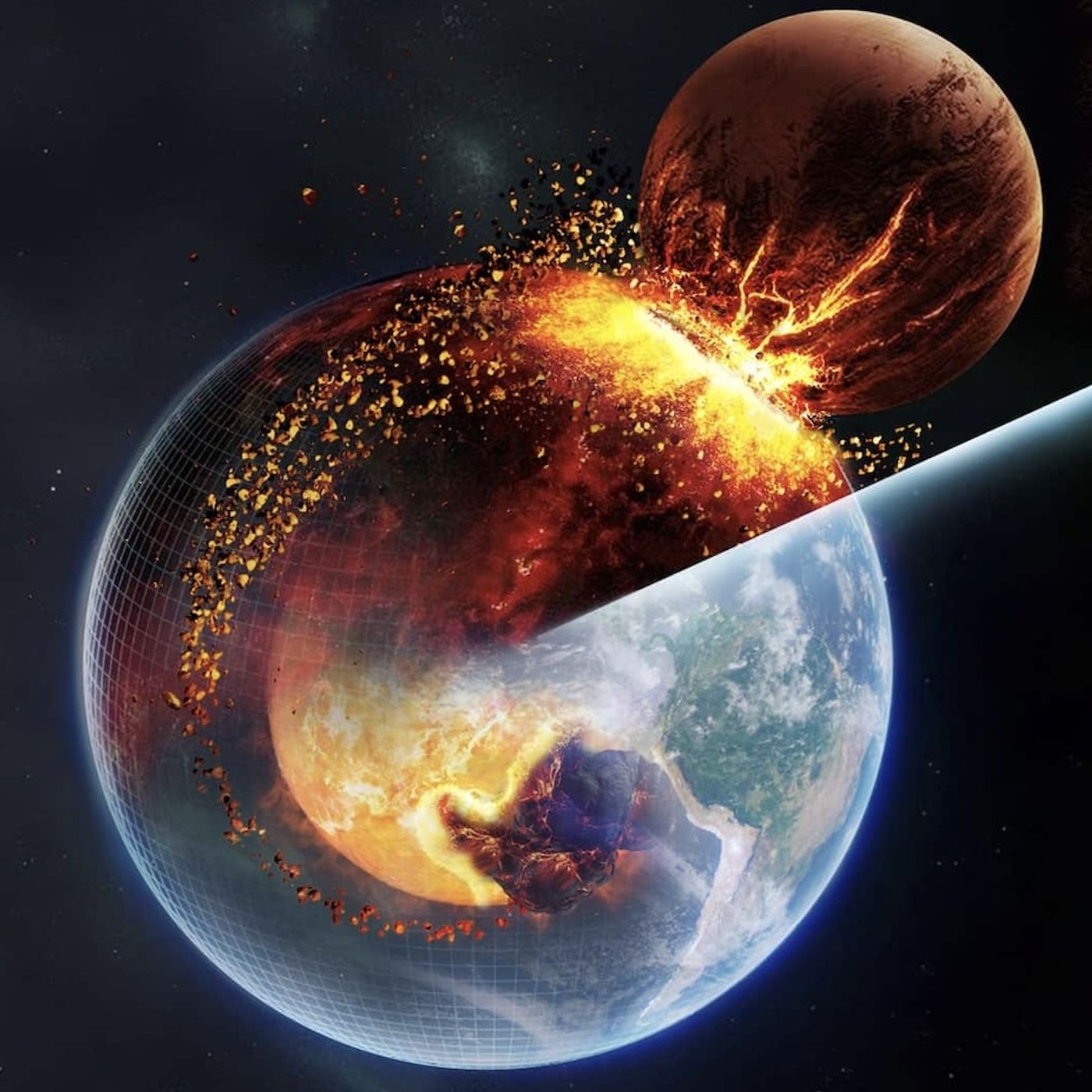
In the distant past things in our solar system were very much more wild and violent than they are today. 4.5 billion years ago a Mars sized object called Theia impacted Earth producing our Moon. Scientists are able resea…
372E-406-Close Ones [not-audio_url] [/not-audio_url]

Duration: 2:01
In less than 24 hours, while observing with the Catalina Sky Survey's 60 inch telescope on Mt. Lemmon, Arizona , I discovered two 25 foot diameter space rocks that theoretically can pass less than a quarter of the Moon's…
882-David’s Goliath PHA [not-audio_url] [/not-audio_url]

Duration: 2:01
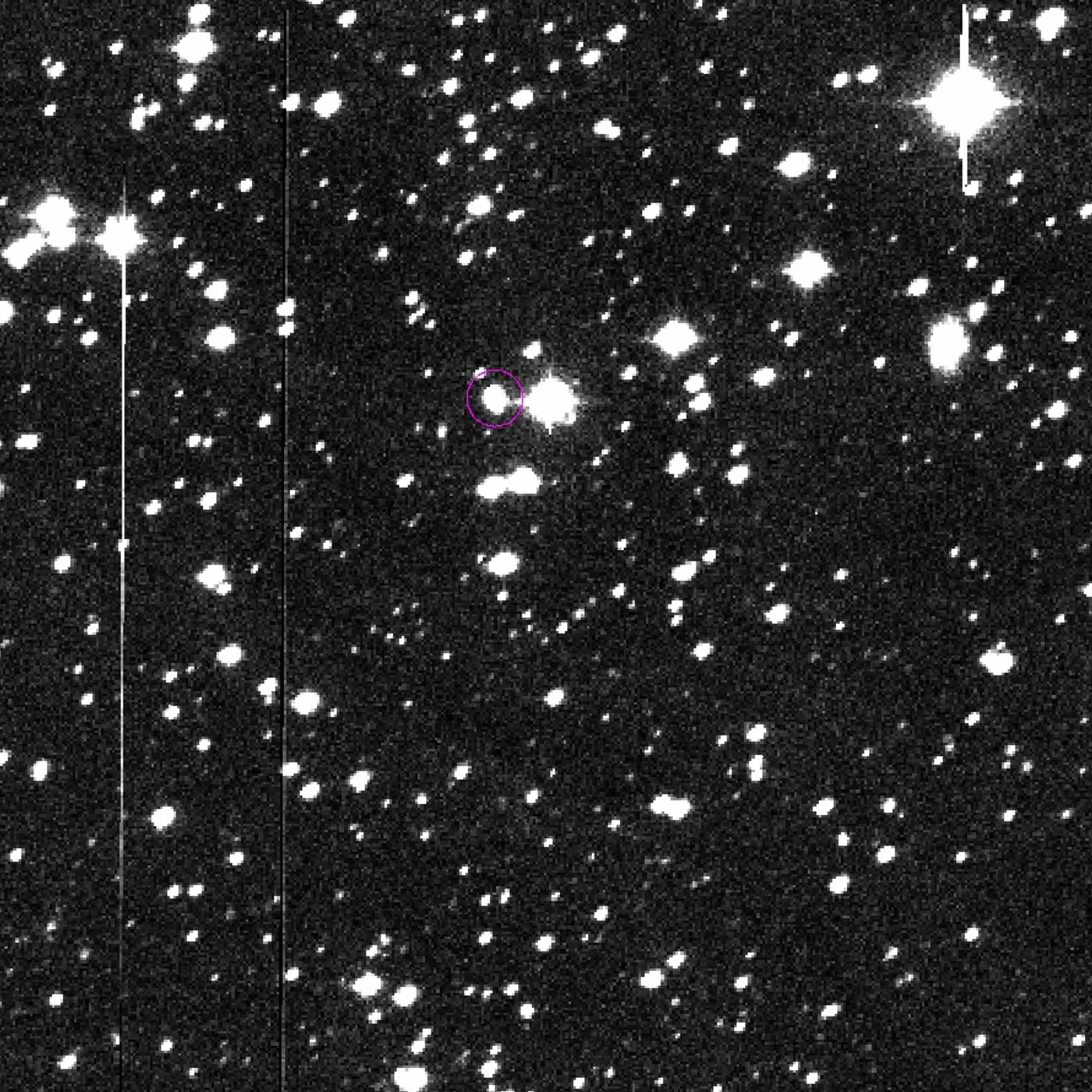
My Catalina Sky Survey teammate David Rankin was asteroid hunting in the evening twilight with our 60 inch telescope on Mt. Lemmon Arizona when he spotted an unknown object in the constellation of Lyra. The largest teles…
371E-405-Kiwi Nights [not-audio_url] [/not-audio_url]

Duration: 2:01
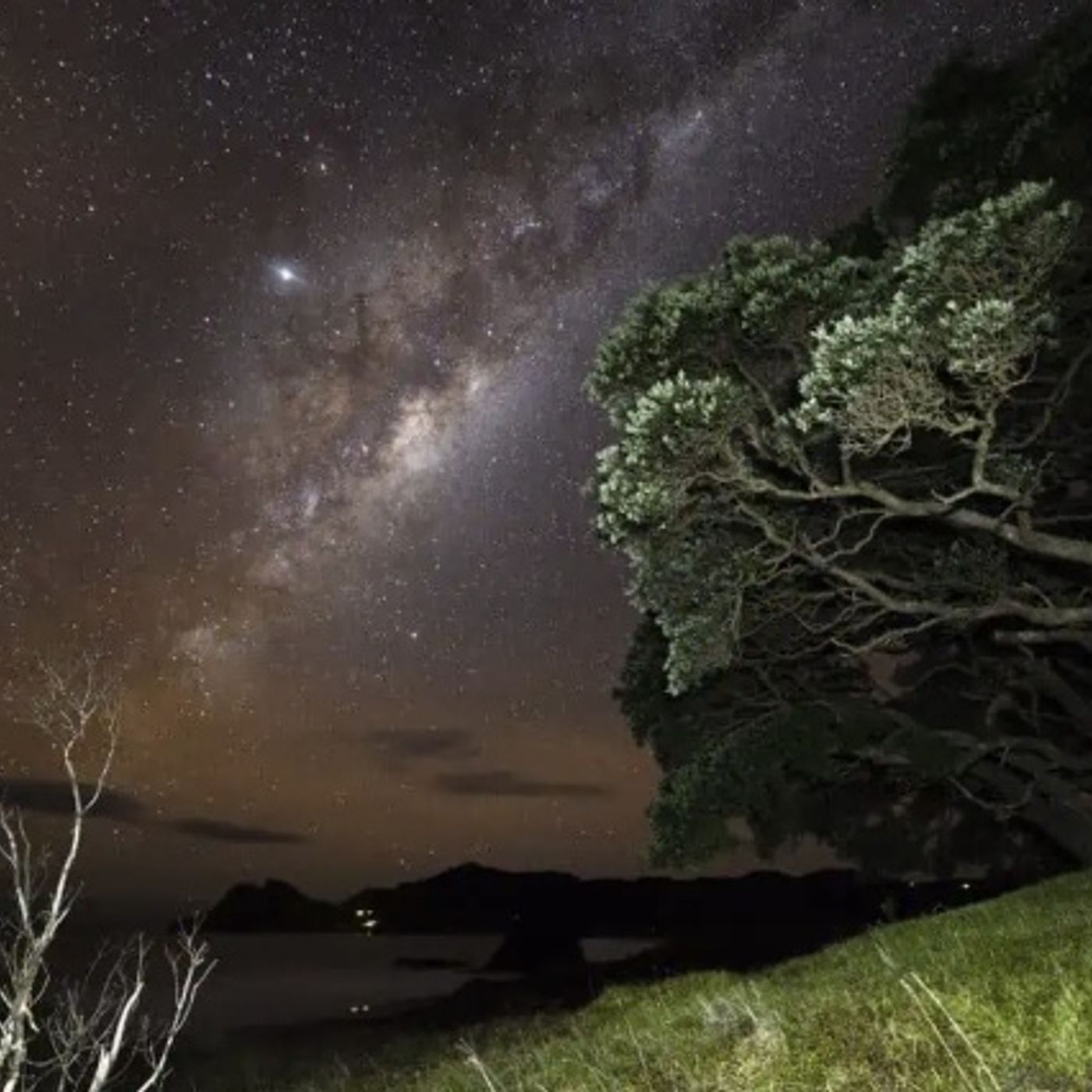
New Zealand's 4.5 million people are concentrated in three major population centers which to various degrees suffer from the modern plague of light pollution. However, most of New Zealand's large rural areas and land res…
881-Dangerous Comets [not-audio_url] [/not-audio_url]

Duration: 2:01
It is possible the object creating the Tunguska event in Russia 1908 which knocked down 80 million trees over an area about twice the size of New York City was a fragment of a comet or asteroid. The International Asteroi…