370E-403-Double Comet

370E-403-Double Comet

Author: Albert D. Grauer January 6, 2026 Duration: 2:01
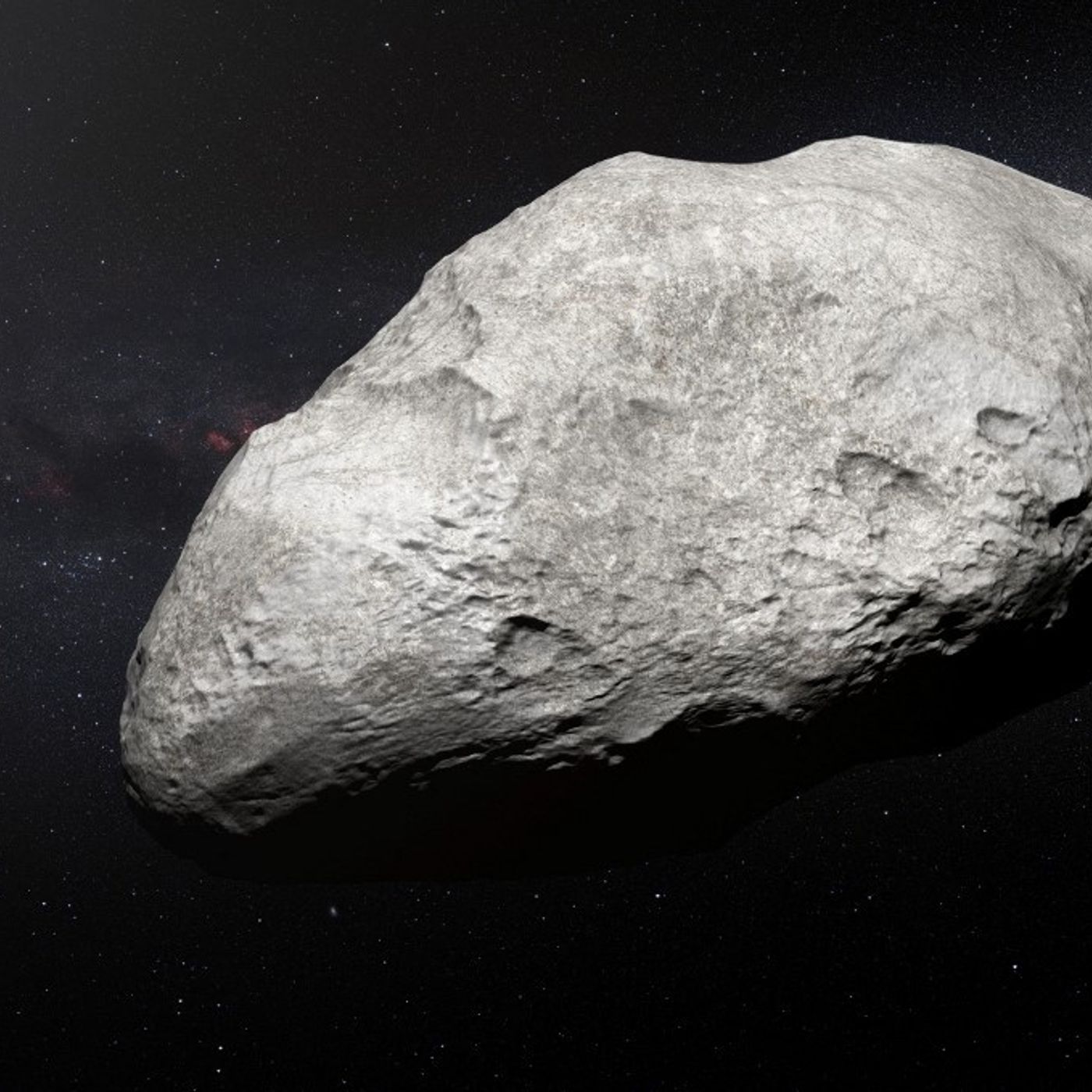
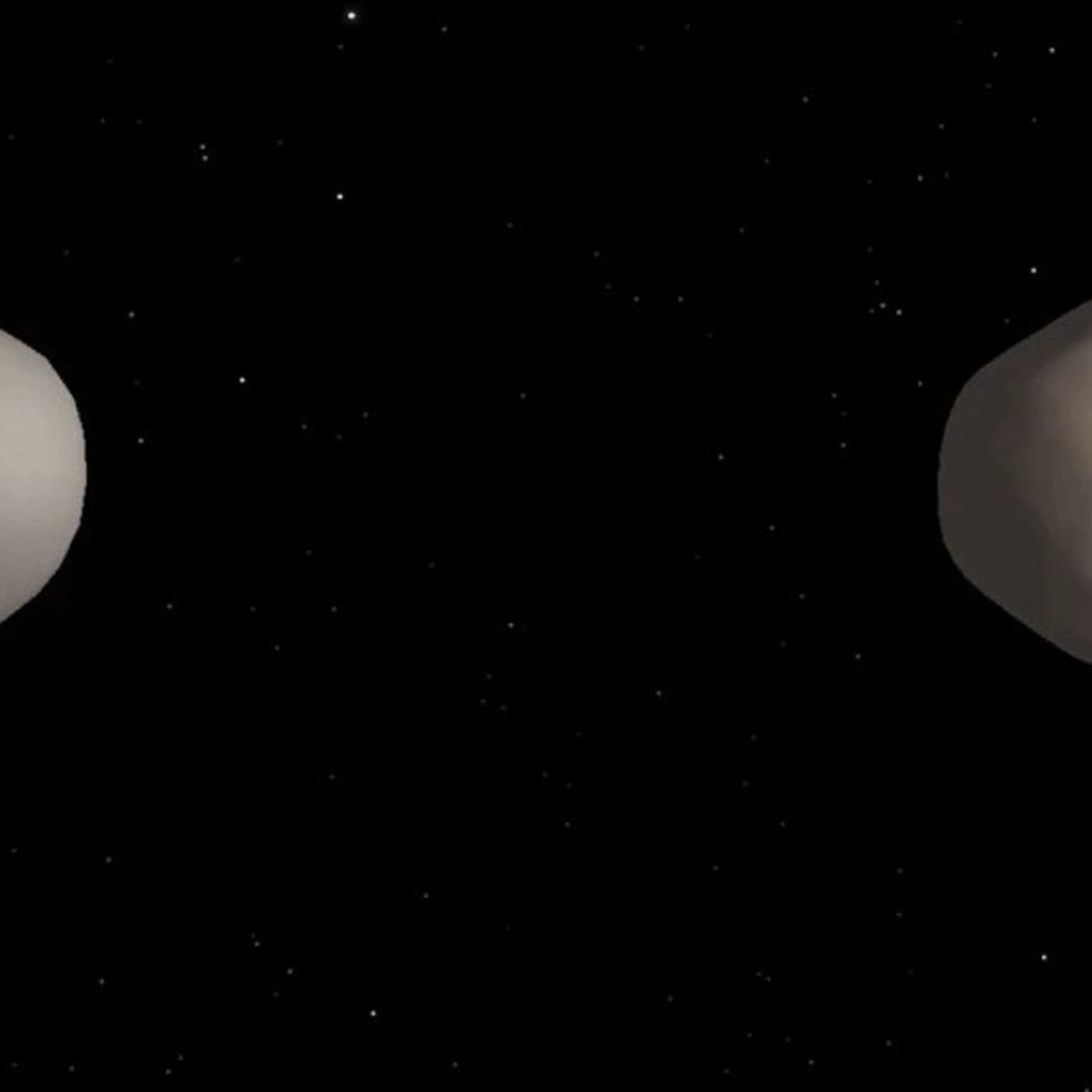
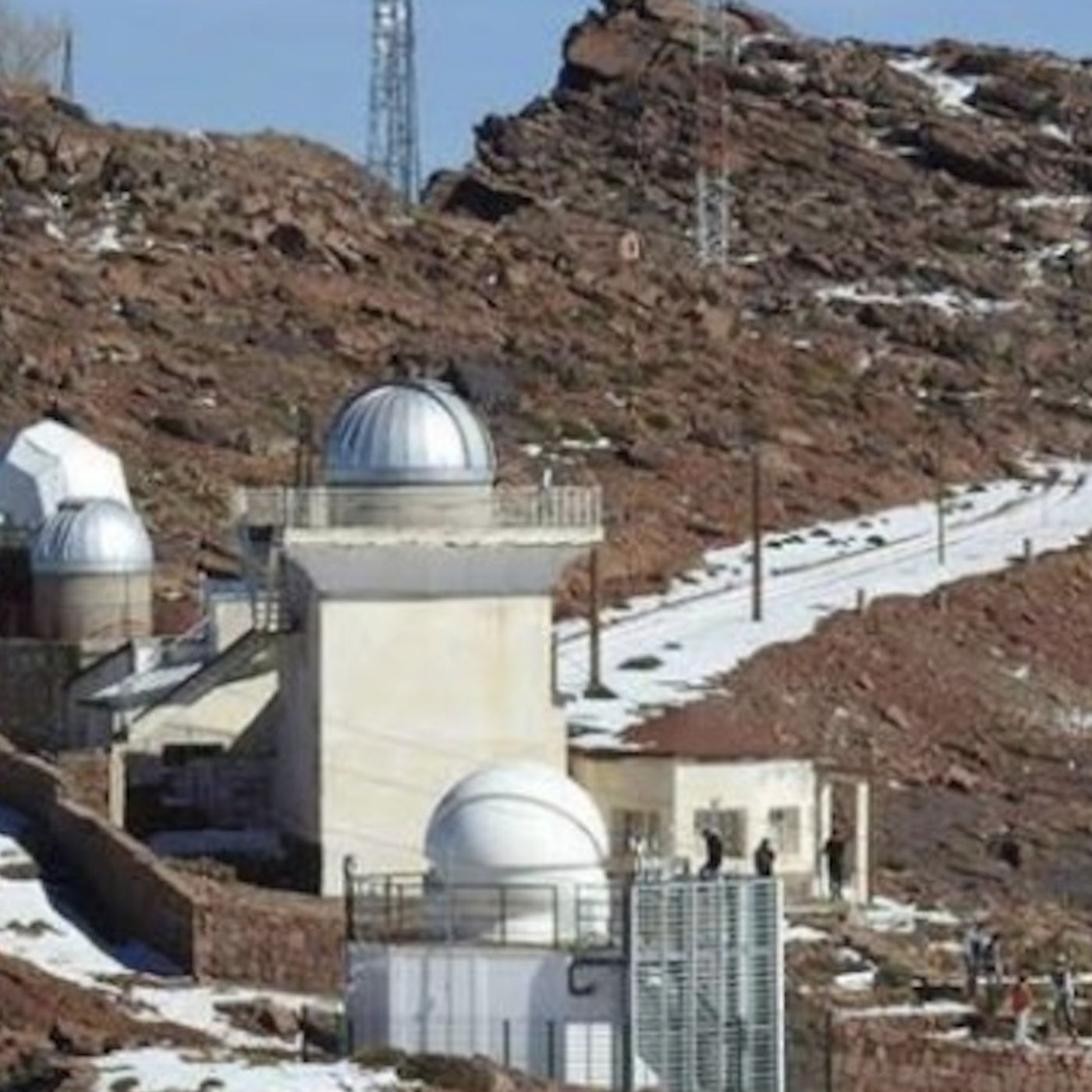
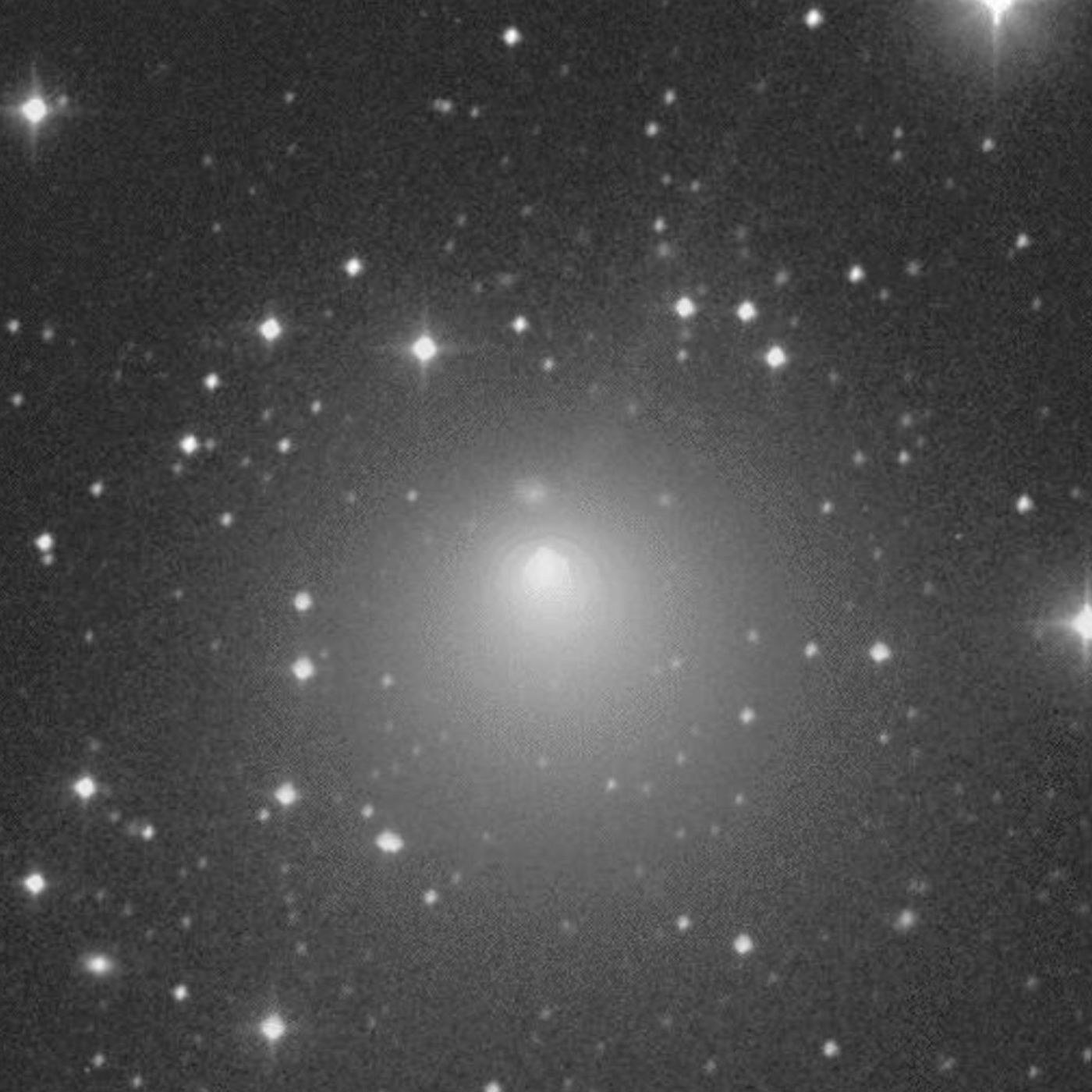
In November of 2006, University of Arizona's Spacewatch astronomers on Kitt Peak discovered a faint moving point of light in the night sky which appeared to be a garden variety main belt asteroid orbiting the Sun between Mars and Jupiter. The Minor Planet Center calculated it's orbit and gave it the name 2006 VW139. Five years later when it again moved closest to the Sun the Pan-STARRS group in Hawaii discovered that 2006 VW139 is surrounded by a gas cloud like a comet and it was given a comet designation, 288P. My Catalina Sky Survey teammate Steve Larson is a member of the team of astronomers who use the Hubble Space Telescope to observe asteroids which have comet like burps. Observations by the Hubble Space Telescope between August 2016 and January 2017 clearly show 288P to be two similar, mile diameter, asteroids orbiting each other about 60 miles apart, surrounded by a gas cloud, as they move about the Sun. The Hubble team estimates that about 5,000 years ago this strange object was formed when a rapidly rotating comet nucleus came apart into two large pieces. It's gas cloud is likely to come from volatile ices like carbon dioxide and water vapor which were liberated by solar heating. Objects like this one are very interesting since they may have had a role in bringing water to a bone dry Earth in the early days of our solar system.

Each episode of Travelers In The Night feels like a quiet, personal conversation under a dark sky. Hosted by astronomer Dr. Albert D. Grauer, this podcast brings the distant cosmos into sharp, intimate focus. Dr. Grauer isn't just an observer; he's an active participant in the hunt, working with the Catalina Sky Survey team that has consistently discovered near-Earth asteroids for years. In these brief and engaging segments, you'll hear firsthand accounts of what it's like to track these ancient celestial travelers-the asteroids and comets that silently pass by our world. The discussions move beyond simple facts to explore the real-world implications of these discoveries, from planetary defense to the sheer wonder of our dynamic solar system. Accompanied by the contemplative music of John Lyell's "Eternity," each installment offers a moment of calm reflection on humanity's place in the universe. It’s a perfect blend of grounded science and cosmic curiosity, making complex astronomical concepts accessible and deeply fascinating. For anyone who has ever looked up and wondered what's out there moving in the dark, this podcast provides a direct line to the front lines of discovery.
Author: Language: English Episodes: 1000

Travelers In The Night
Podcast Episodes
307E-326-Asteroids 2016 [not-audio_url] [/not-audio_url]

Duration: 2:01
2016 was another record year for asteroid hunters during which we discovered 1,894 new Earth approaching objects. My team, the NASA funded, Catalina Sky Survey, led the pack with 931 Near Earth Asteroid discoveries.
819-Binary Asteroids [not-audio_url] [/not-audio_url]

Duration: 2:01
Binary asteroids are important since they enable astronomers to study how objects interact in space and in some cases the data can even yield their sizes and shapes.
306E-325-Marrakech [not-audio_url] [/not-audio_url]

Duration: 2:01
A location 9,000 feet above sea level in the Atlas Mountains of Morocco is ideal for an asteroid hunter since the weather is often clear and the skies are dark. It was thus intriguing for me to see that a new asteroid di…
818-Historical Near Earth Comets [not-audio_url] [/not-audio_url]

Duration: 2:01
Approximately once every 45 million years a long period comet strikes the Earth with catastrophic results. Astronomers have identified and calculated orbits for more than 25 comets which have passed less than 40 times th…
305E-324-Newborn Planets [not-audio_url] [/not-audio_url]

Duration: 2:01
The ALMA radio telescope located in the Atacama desert of northern Chile is able to see the faint millimeter wave length glow emitted by gas molecules and dust particles in the disk of material surrounding the very young…
817-Interstellar Travelers In The Night [not-audio_url] [/not-audio_url]

Duration: 2:01
As astronomers learned to measure the distance to the stars and how the laws of Physics works with rockets, it seemed that travel between the stars would take so much energy and time to get there that interstellar travel…
304E-323-Big Splash [not-audio_url] [/not-audio_url]

Duration: 2:01
To discover what would happen if an asteroid were to strike a large body of water, Dr. Galen Gisler led a team of scientists who used high performance computing facilities at Los Alamos National Laboratory to calculate a…
816-David's Close Approaching Comet [not-audio_url] [/not-audio_url]

Duration: 2:01
My Catalina Sky Survey Teammate David Rankin was asteroid hunting in the constellation of Pegasus with our 60 inch telescope on Mt. Lemmon, AZ when he spotted a faint fuzzy object moving through a set of his images.David…
303E-322-Dust Stories [not-audio_url] [/not-audio_url]

Duration: 2:01
Collect your own beautiful micro-meteorite sample. It is estimated that several hundred thousand pounds of left over particles from the formation of our solar system enters the Earth's atmosphere every day with perhaps 1…
815-RADAR Observes Binary PHA [not-audio_url] [/not-audio_url]

Duration: 2:01
RADAR is very powerful tool since it can precisely measure an asteroid’s position and velocity as well as in some cases yield information about its size, shape, and other characteristics.