372E-406-Close Ones

372E-406-Close Ones

Author: Albert D. Grauer January 20, 2026 Duration: 2:01
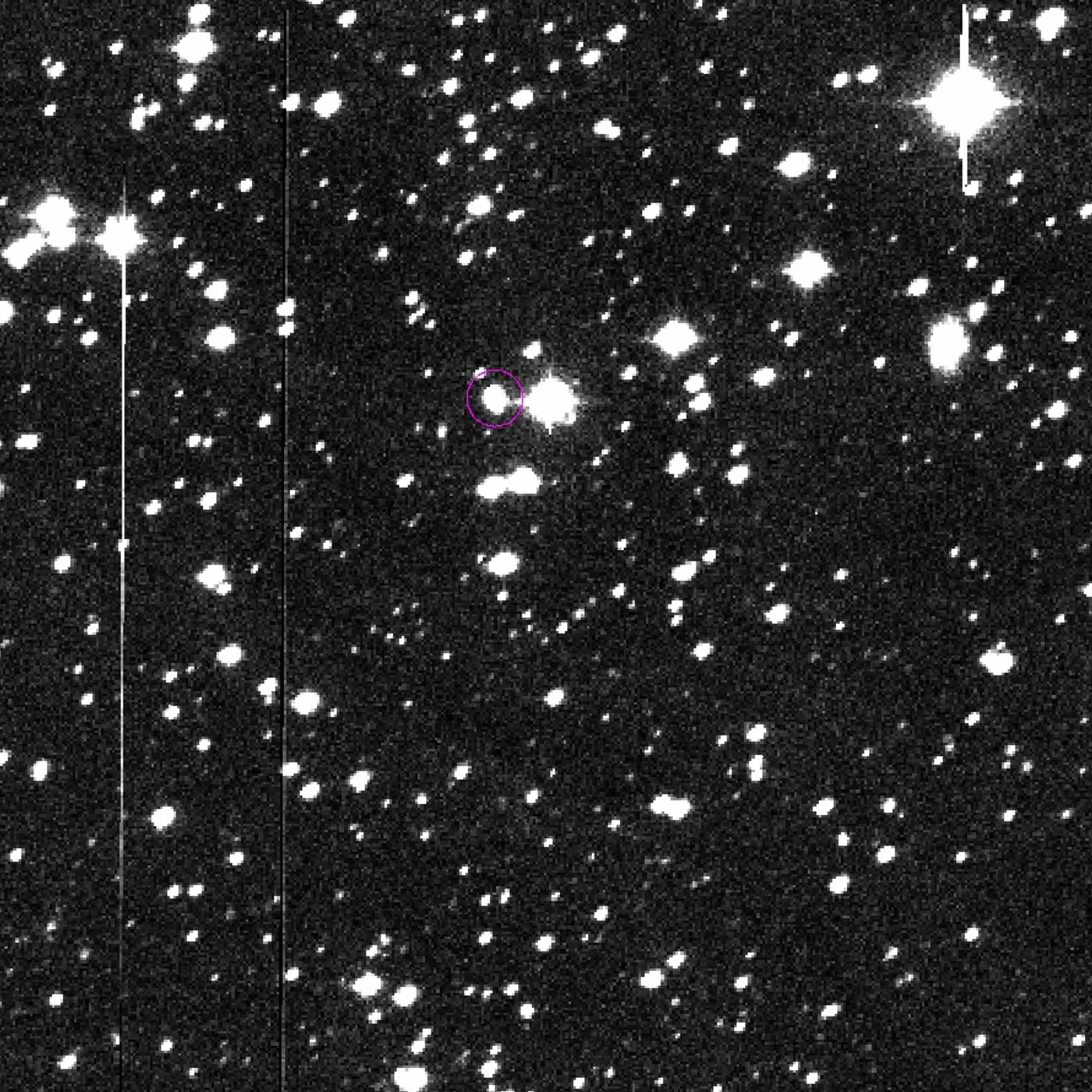
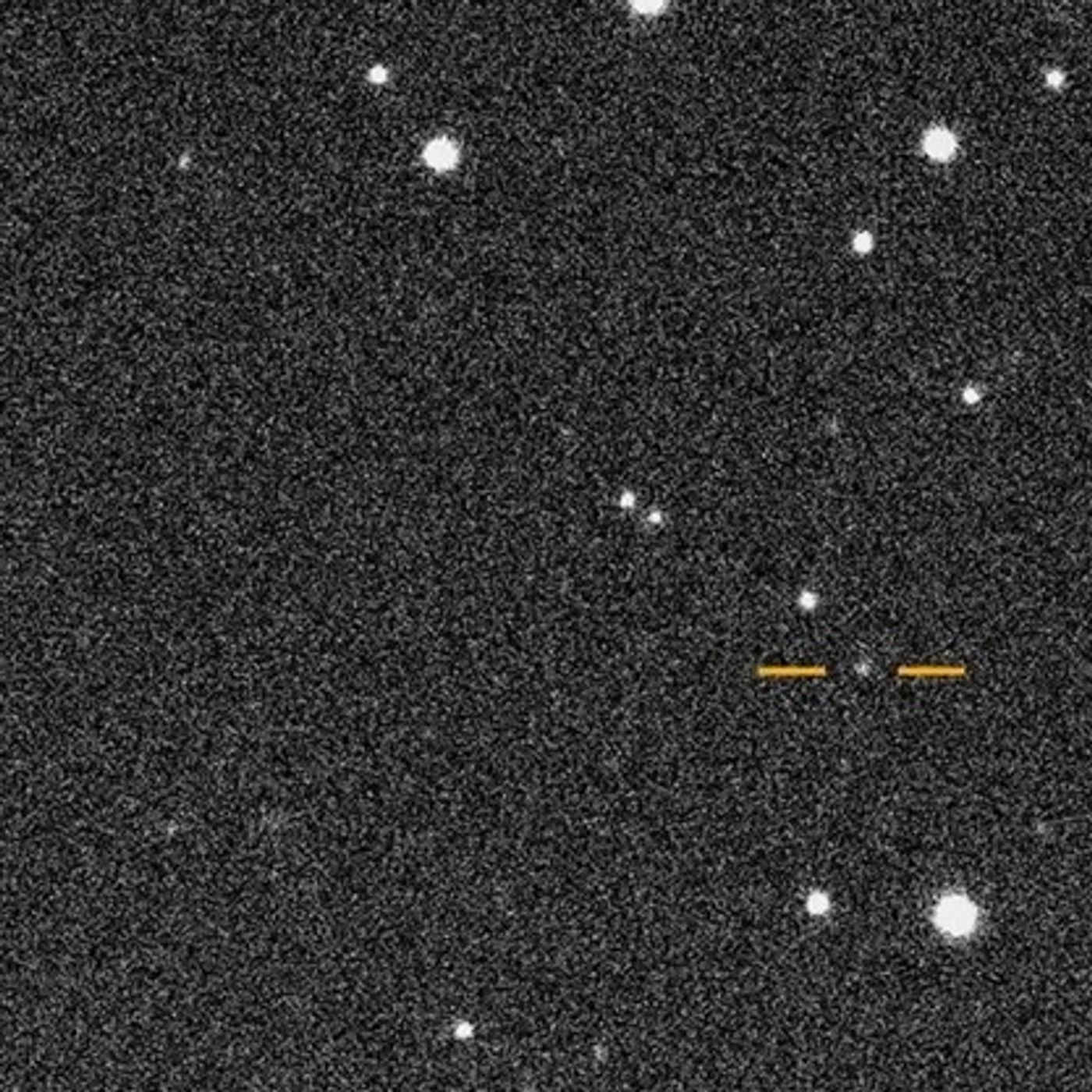
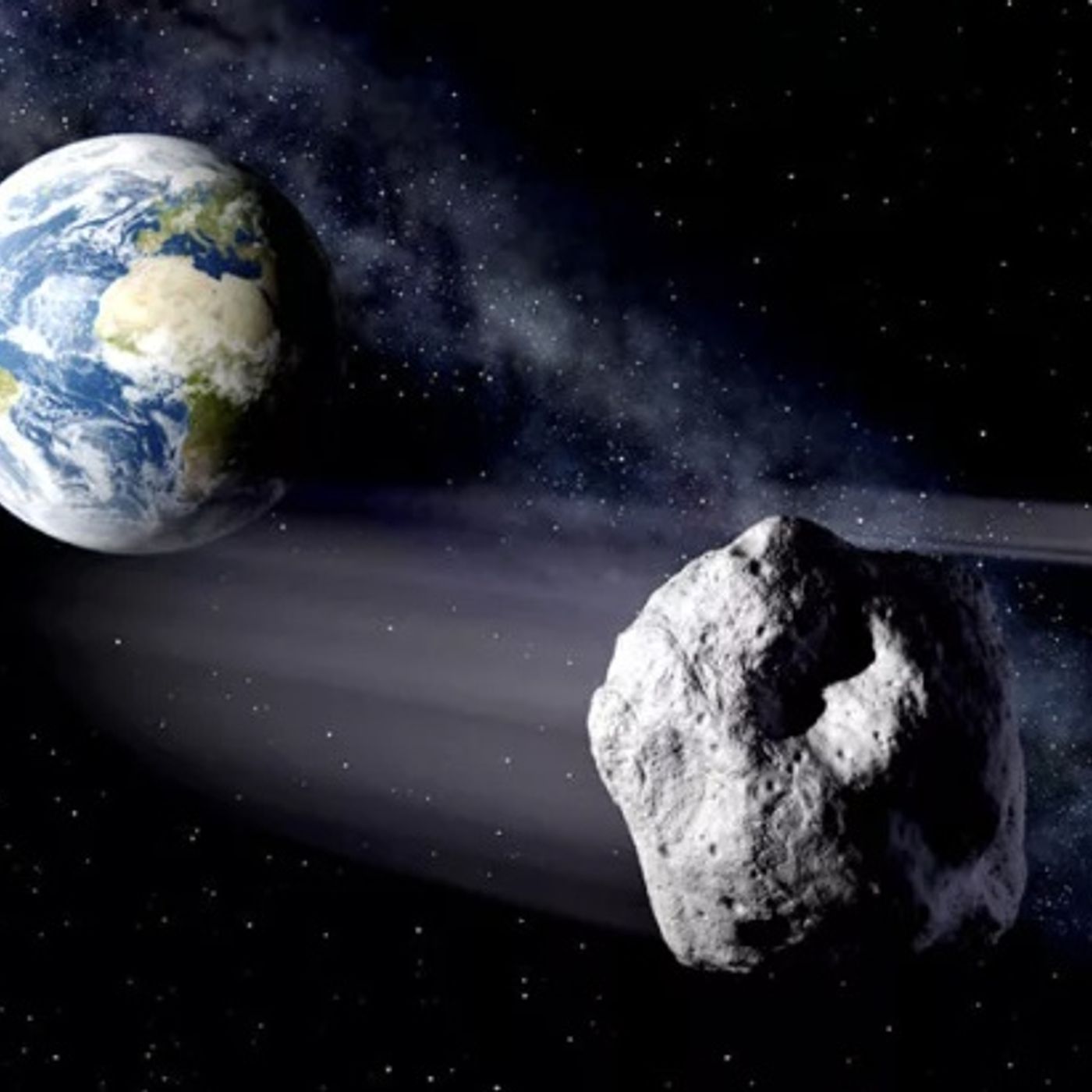
In less than 24 hours, while observing with the Catalina Sky Survey's 60 inch telescope on Mt. Lemmon, Arizona , I discovered two 25 foot diameter space rocks that theoretically can pass less than a quarter of the Moon's distance from us. After I posted my discovery observations on the Minor Planet Center's Near Earth Object Confirmation page one of them received immediate attention, as an incoming object, and was tracked by observers at 14 different observatories around the world. Scientists at the Minor Planet Center used these data to calculate it's 926 day orbital path around the Sun, estimate it's size, and give it the name 2017 TH5. 36 hours after I first spotted 2017 TH5 streaking through the night sky it came to less than 60,000 miles from the surface of our planet traveling at 7.6 miles per second. 8 hours and 49 minutes later it passed less than half a lunar distance from the surface of our moon. If 2017 TH5 would have been on an impact trajectory with Earth humans would have had time to prepare for a spectacular light show. Approximately once every 5 years a tiny asteroid like 2017 TH5 enters our atmosphere exploding at an altitude about 3 times higher than airliners fly releasing the energy of about 5,000 tons of TNT. Asteroid hunters are well on our way towards being able to issue a warning to stay away from doors and windows should a small space rock be discovered to be on an impact trajectory with planet Earth.

Each episode of Travelers In The Night feels like a quiet, personal conversation under a dark sky. Hosted by astronomer Dr. Albert D. Grauer, this podcast brings the distant cosmos into sharp, intimate focus. Dr. Grauer isn't just an observer; he's an active participant in the hunt, working with the Catalina Sky Survey team that has consistently discovered near-Earth asteroids for years. In these brief and engaging segments, you'll hear firsthand accounts of what it's like to track these ancient celestial travelers-the asteroids and comets that silently pass by our world. The discussions move beyond simple facts to explore the real-world implications of these discoveries, from planetary defense to the sheer wonder of our dynamic solar system. Accompanied by the contemplative music of John Lyell's "Eternity," each installment offers a moment of calm reflection on humanity's place in the universe. It’s a perfect blend of grounded science and cosmic curiosity, making complex astronomical concepts accessible and deeply fascinating. For anyone who has ever looked up and wondered what's out there moving in the dark, this podcast provides a direct line to the front lines of discovery.
Author: Language: English Episodes: 100

Travelers In The Night
Podcast Episodes
882-David’s Goliath PHA [not-audio_url] [/not-audio_url]

Duration: 2:01
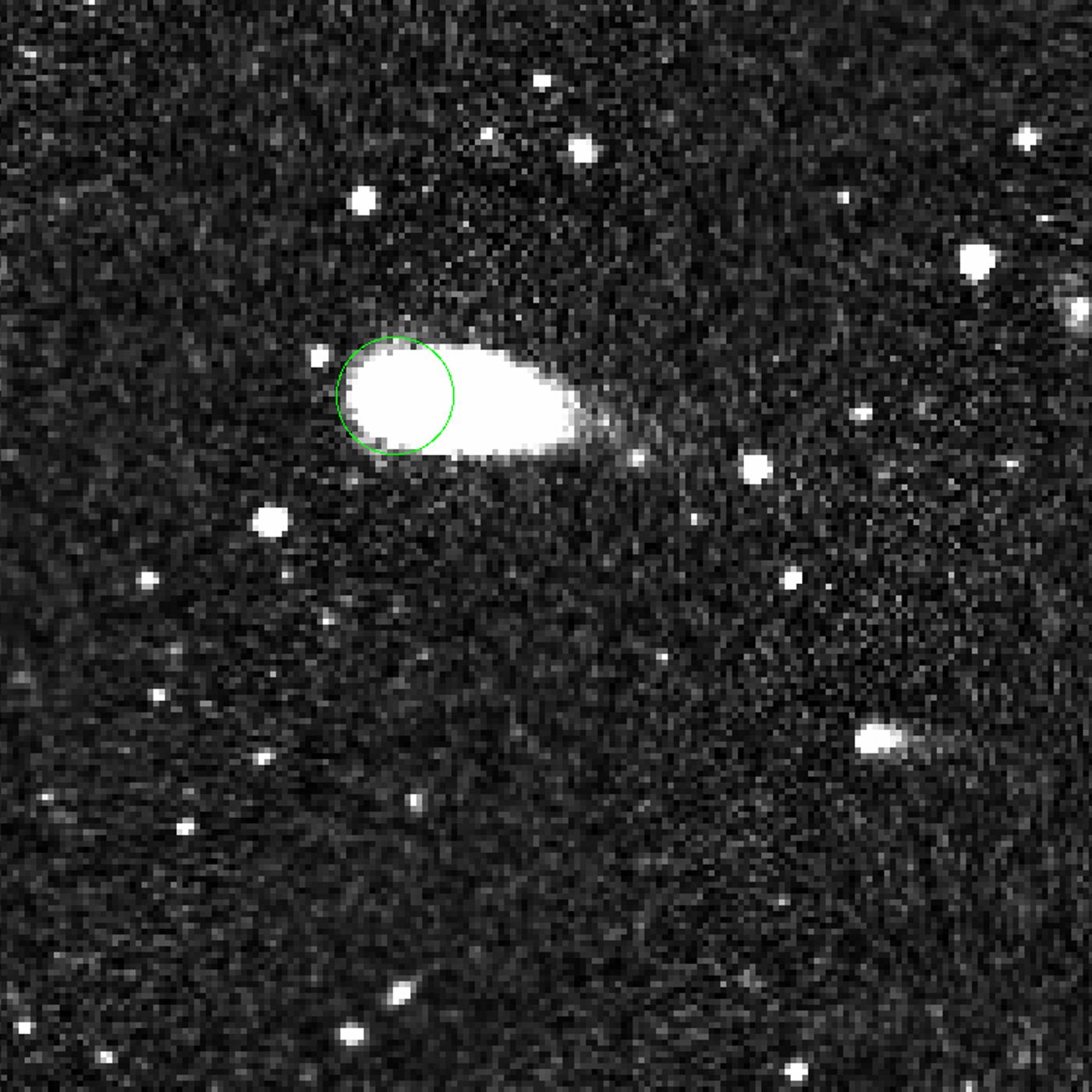
My Catalina Sky Survey teammate David Rankin was asteroid hunting in the evening twilight with our 60 inch telescope on Mt. Lemmon Arizona when he spotted an unknown object in the constellation of Lyra. The largest teles…
369E-401-Night Vision [not-audio_url] [/not-audio_url]

Duration: 2:01
Many people in our modern world rarely if ever experience night vision. To achieve this interesting state of sensory awareness you cannot look at your cell phone or any other source of bright light for 30 to 45 minutes.…
881-Dangerous Comets [not-audio_url] [/not-audio_url]

Duration: 2:01
It is possible the object creating the Tunguska event in Russia 1908 which knocked down 80 million trees over an area about twice the size of New York City was a fragment of a comet or asteroid. The International Asteroi…
368E-400-Roving Venus [not-audio_url] [/not-audio_url]

Duration: 2:01
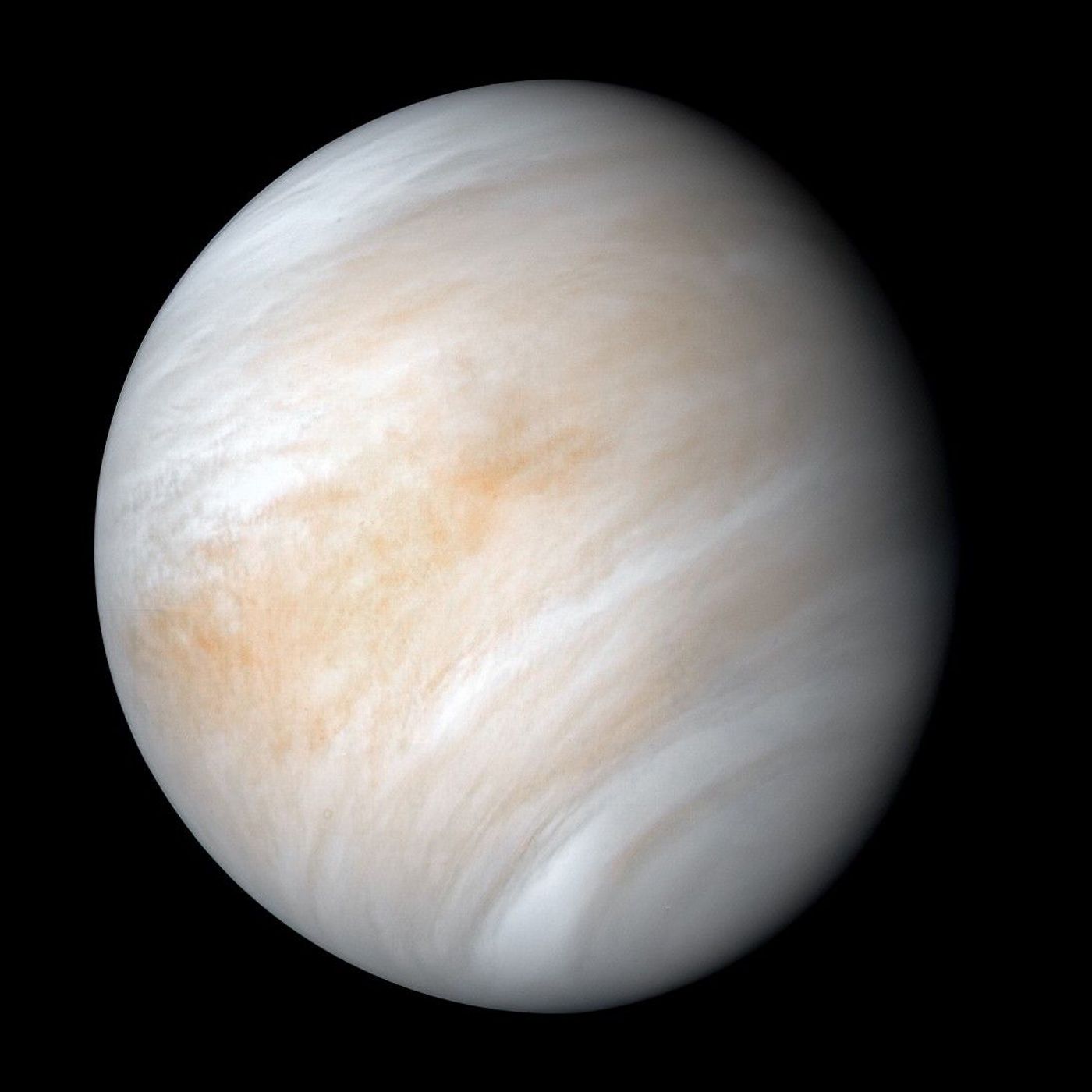
Venus and Earth are similar in size, composition, density, and mass. Unfortunately, our sister planet Venus is an example of a place where green house gases have created an extreme situation. Venus's thick carbon dioxide…
880-Carrington Anticipated [not-audio_url] [/not-audio_url]

Duration: 2:01
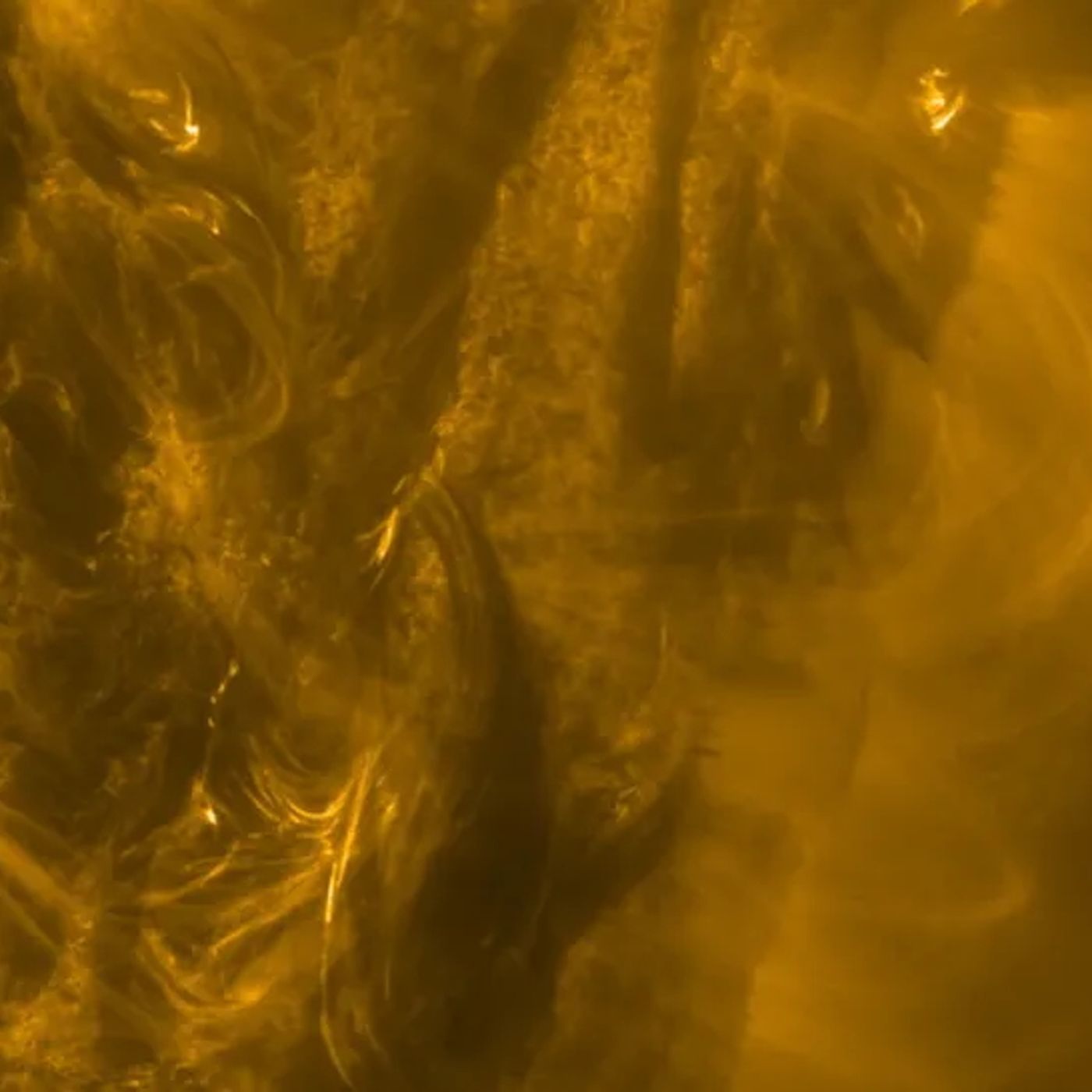
Just before noon on September 1st of 1859 Richard Carrington and Richard Hodgson were making sketches of clusters of sunspots when they were nearly blinded by an intense solar flare. 17.6 hours later a geomagnetic storm…
367E-399-Moons of Florence [not-audio_url] [/not-audio_url]

Duration: 2:01
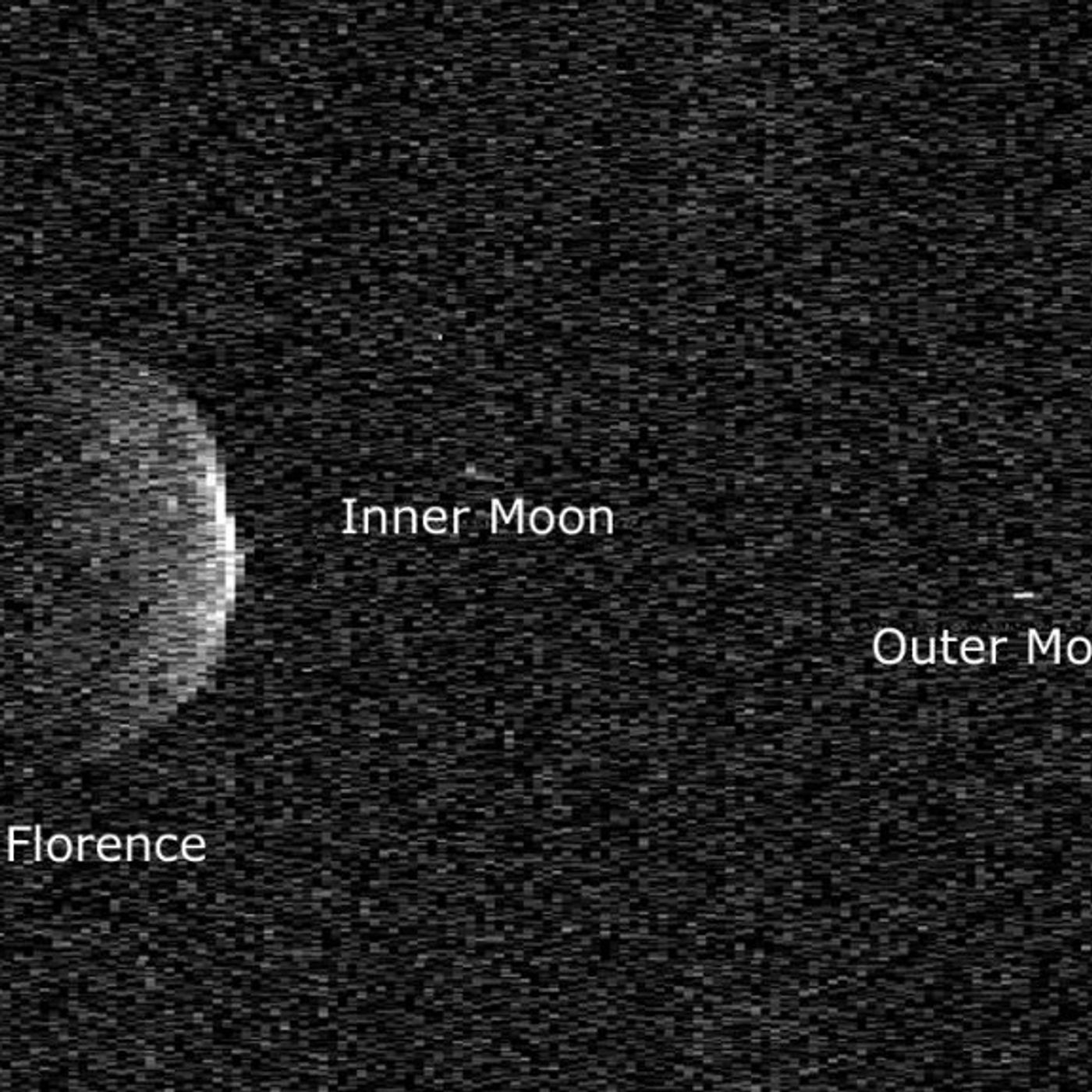
Dr Lance Benner of NASA's Jet Propulsion Laboratory headed up a team of scientists who used the 70 meter antenna at NASA's Goldstone Deep Space Communications Complex to bounce RADAR beams off of the asteroid Florence as…
879-Lurking Asteroid [not-audio_url] [/not-audio_url]

Duration: 2:01
The Dark Energy Camera on the National Science Foundation’s Blanco 4-meter telescope on Cerro Tololo in Chile is taking near Sun twilight images to search for asteroids, hidden in the glare of our Sun, sneaking up on hom…
366E-398-Mars Rocks [not-audio_url] [/not-audio_url]

Duration: 2:01
At about 2AM on July 18, 2011 several people in near Tata, Morocco saw a bright fireball which was described by one of them to be initially yellow, then turned green, and finally exploded into several pieces producing tw…
878-Comet Fragment [not-audio_url] [/not-audio_url]

Duration: 2:01
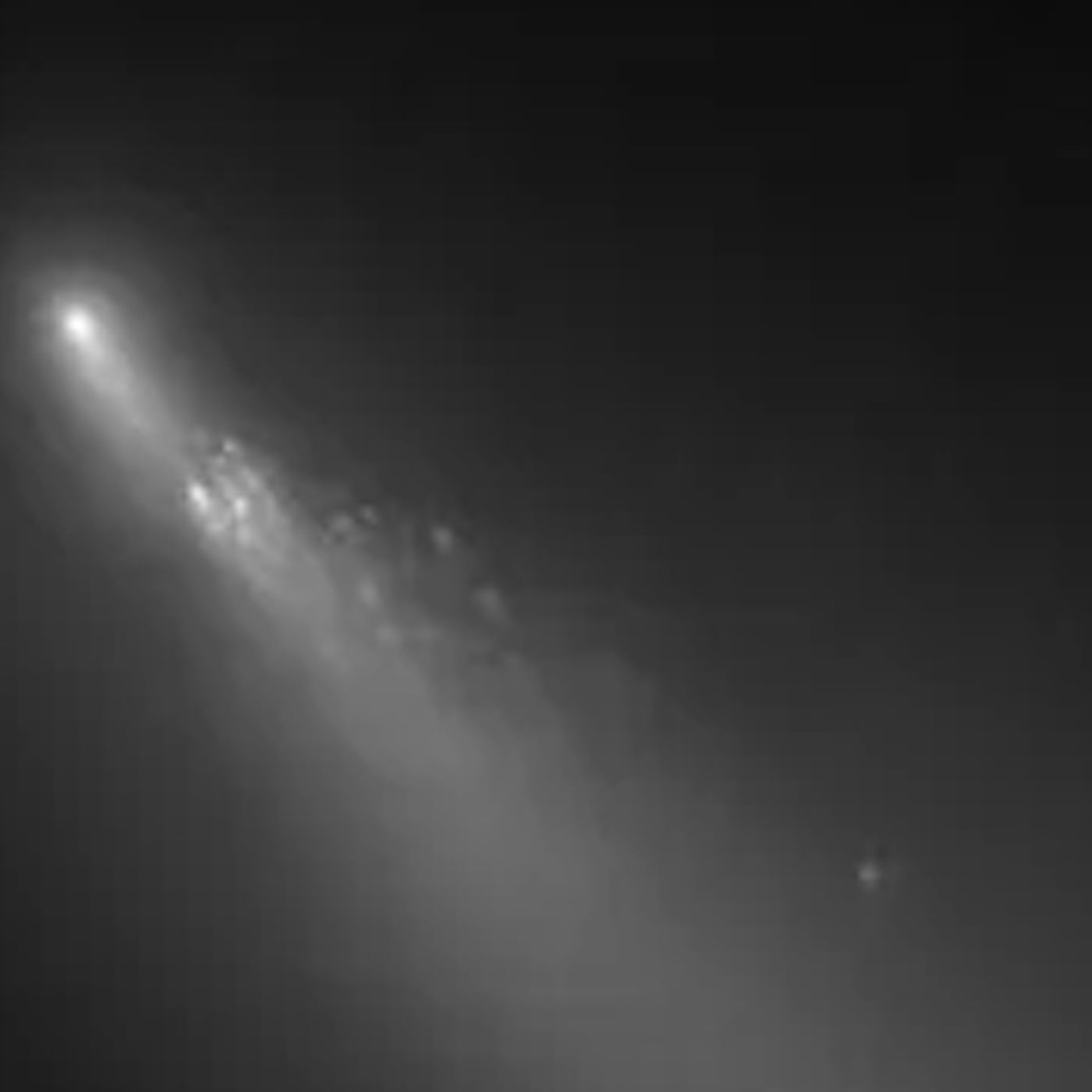
My Catalina Sky Survey teammate Vivian Carvajal was asteroid hunting in the constellation of Eridanus with the 90 inch, University of Arizona’s Bok telescope on Kitt Peak when she was treated to an amazing sight. Comet C…
365E-397-Spotting Meteors [not-audio_url] [/not-audio_url]

Duration: 2:01
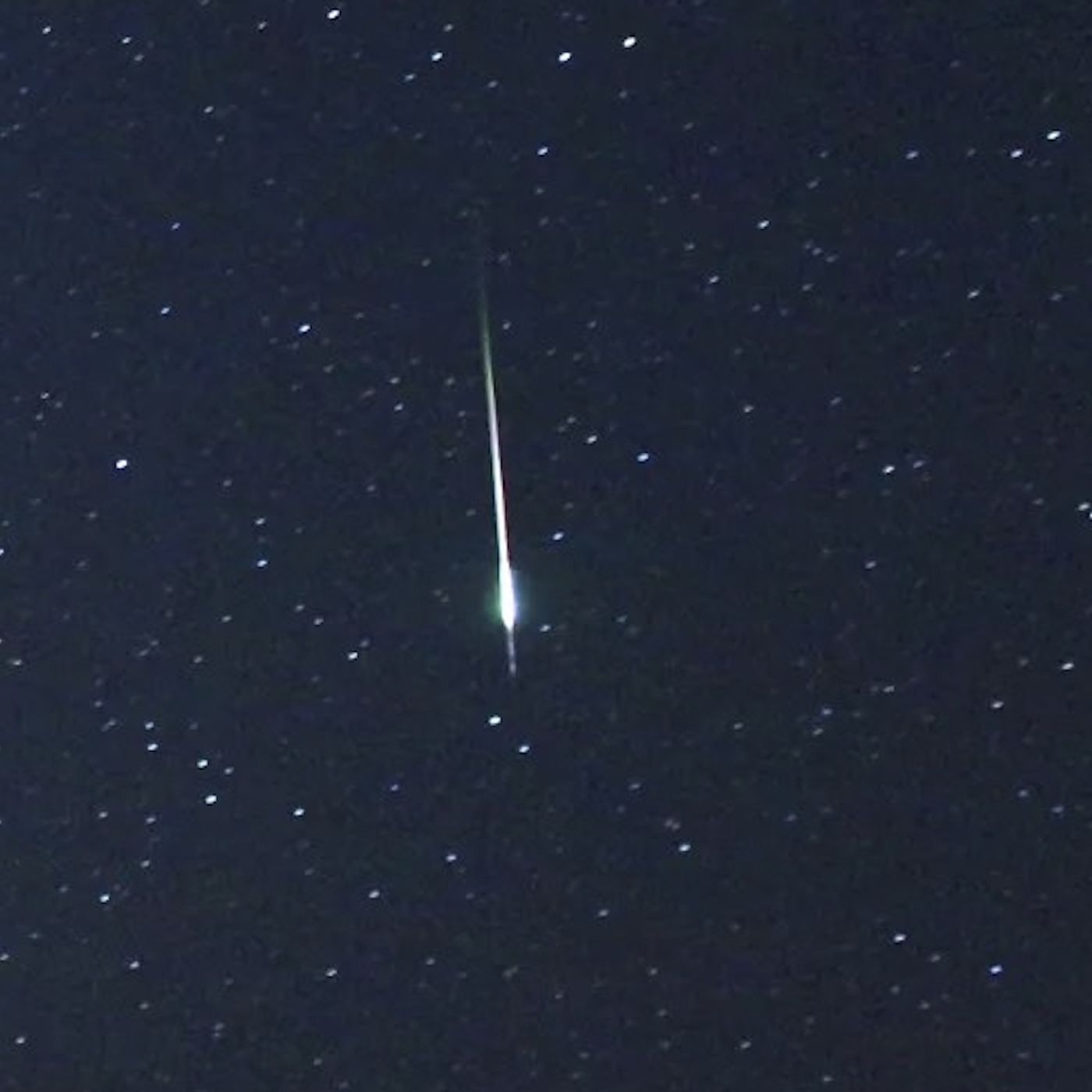
Meteors, shooting stars, or falling stars are different names for the streaks of light in the night sky which are in reality the dying embers of tiny asteroids. These small interplanetary travelers were speeding along at…