376E-412-Tiny Space Rock

376E-412-Tiny Space Rock

Author: Albert D. Grauer February 17, 2026 Duration: 2:01
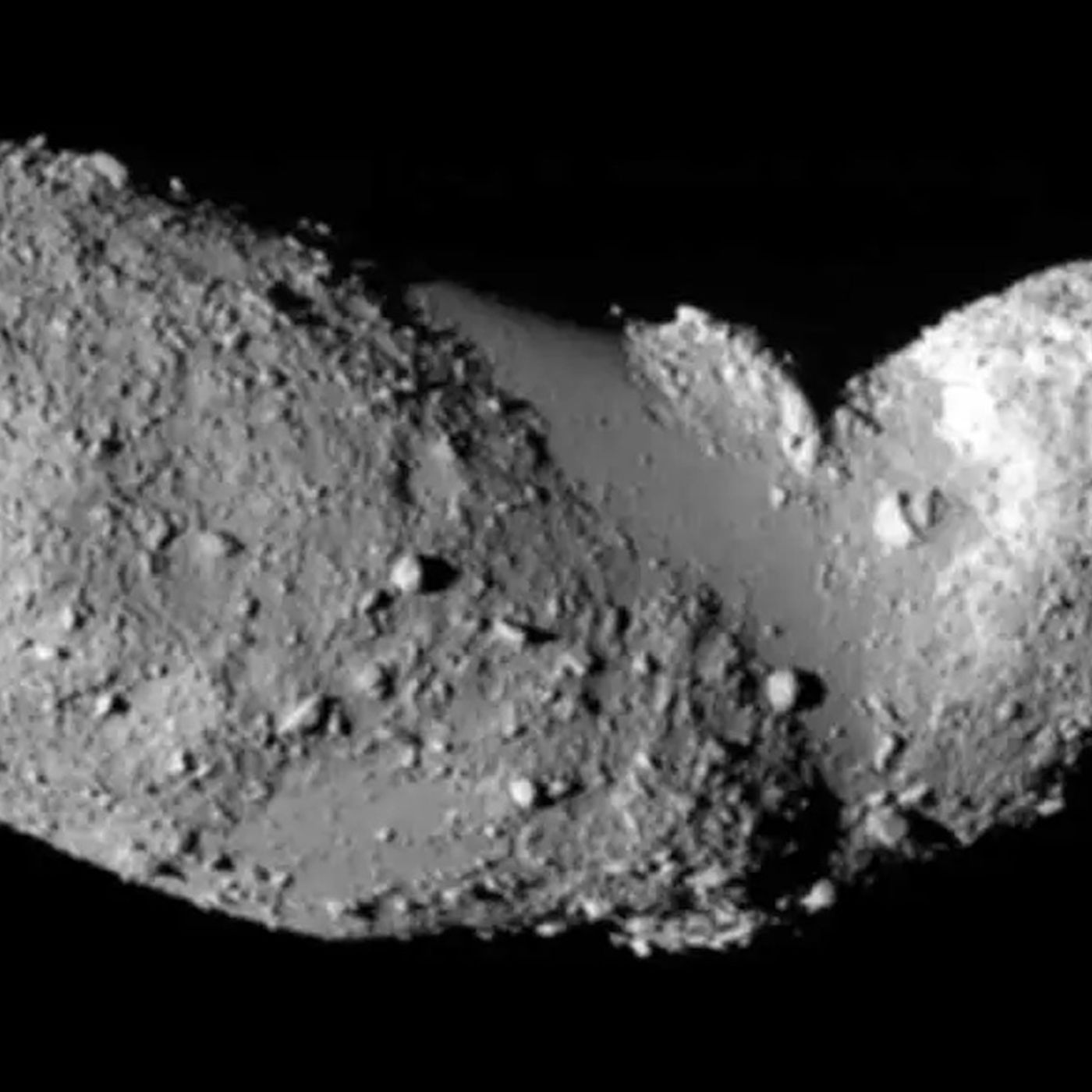
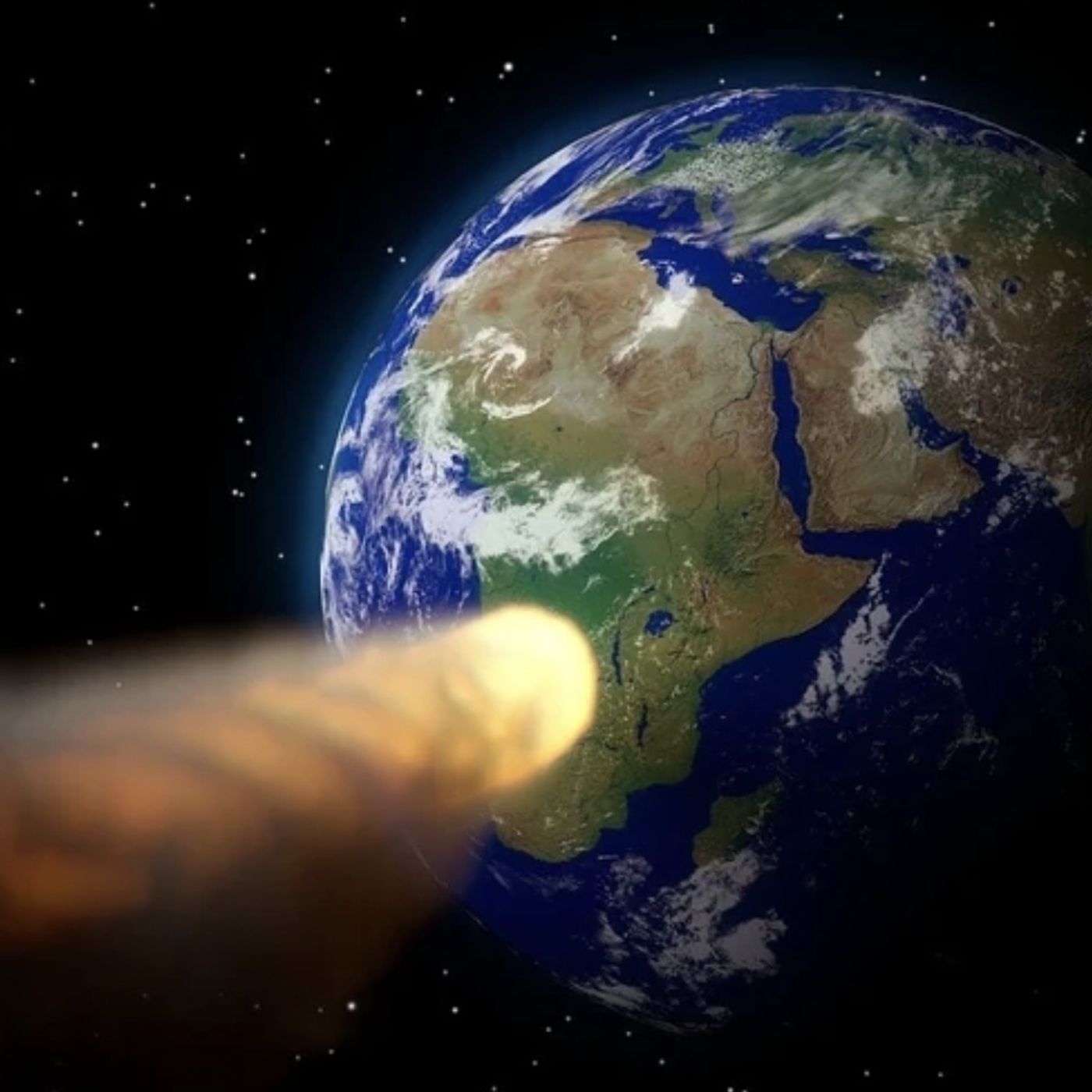
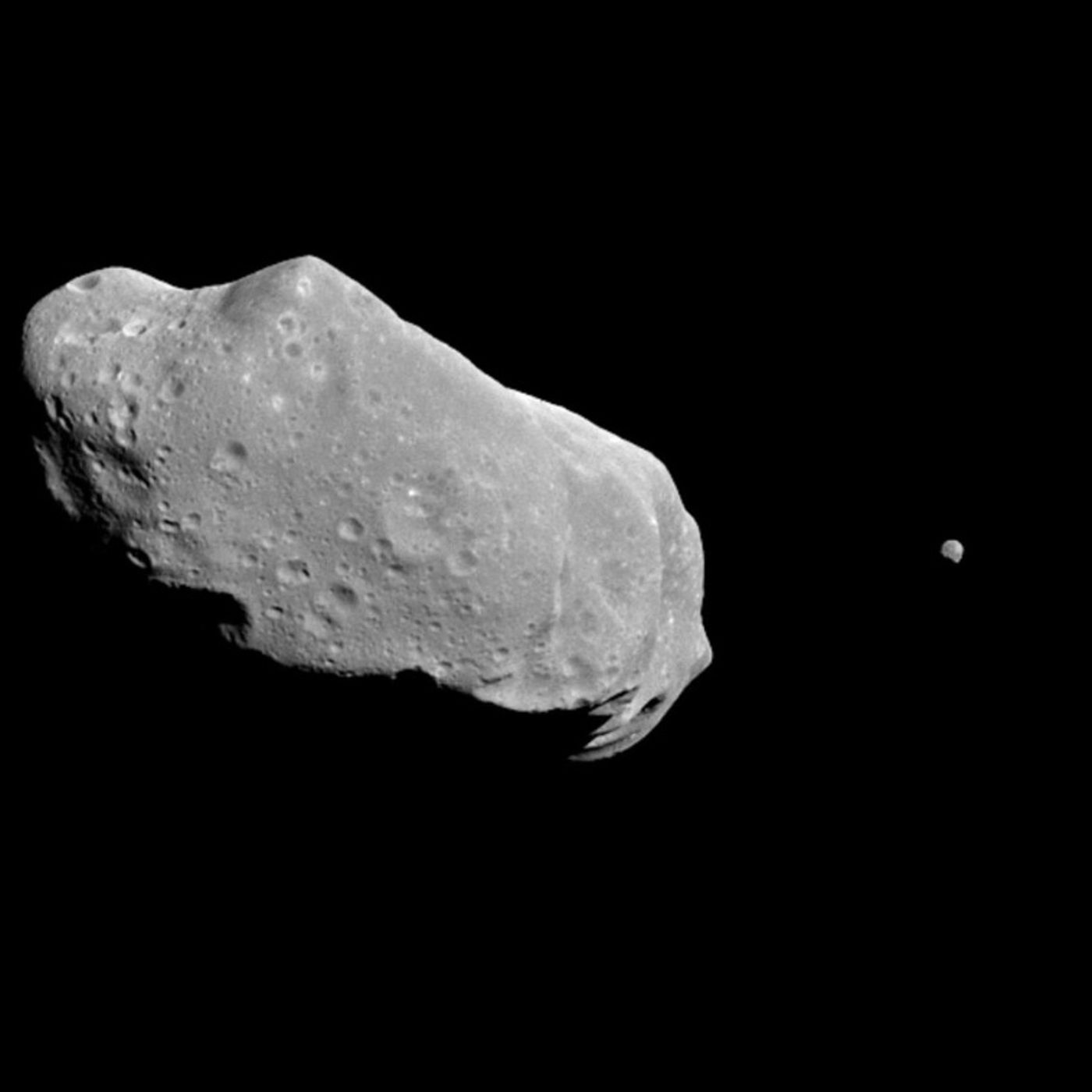
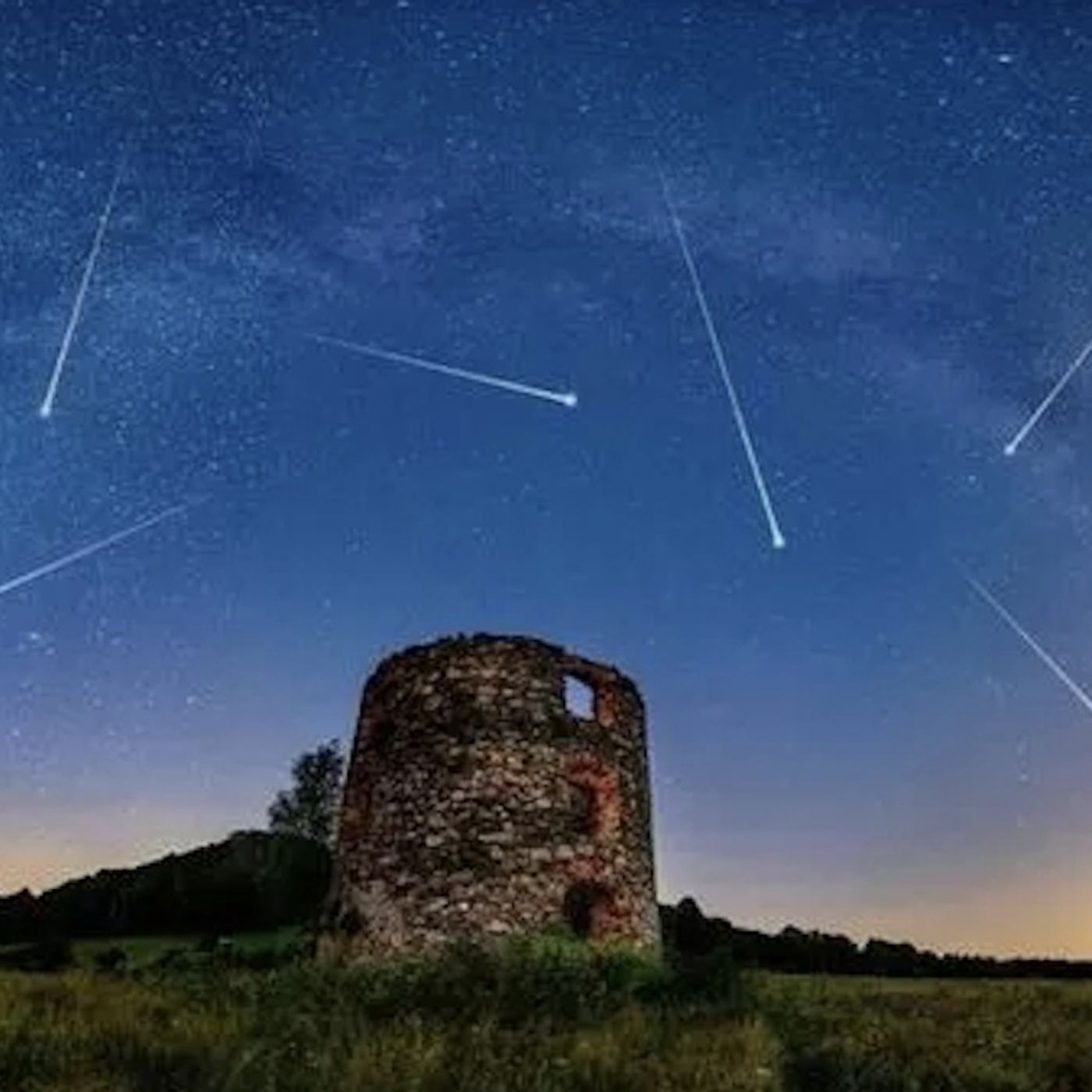
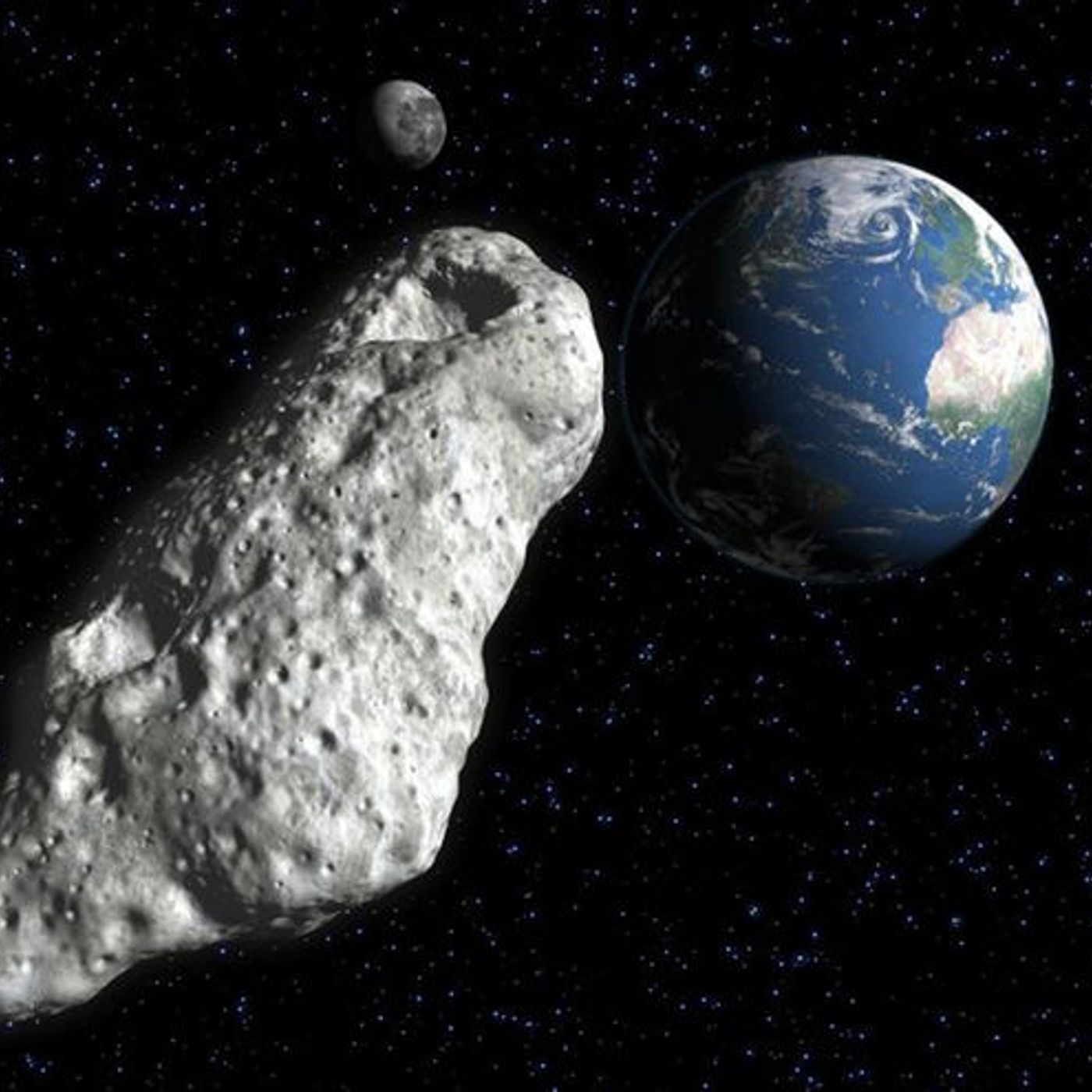
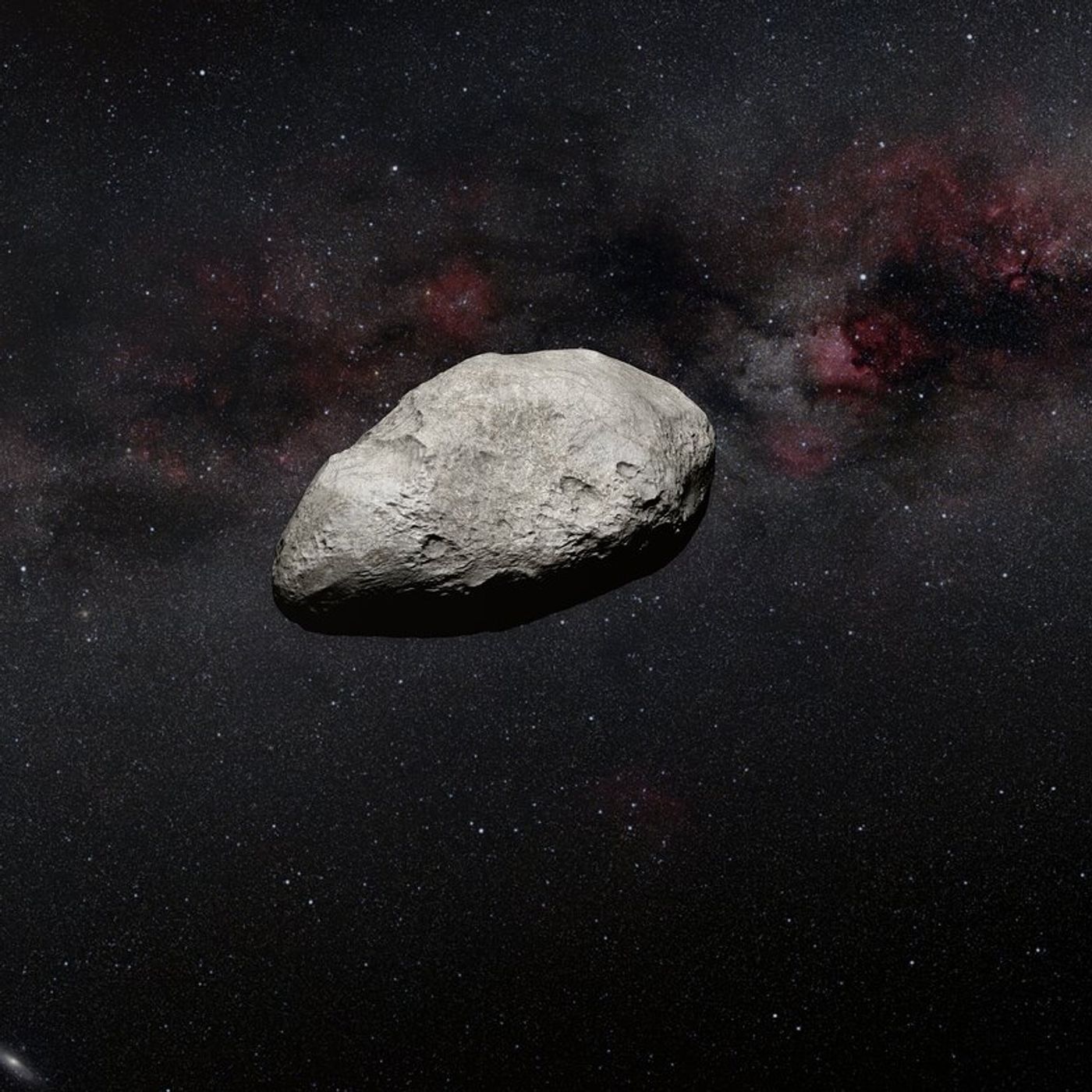
Eighteen hours before my Catalina Sky Survey teammate Rose Matheny first spotted a small space rock with our Schmidt telescope on Mt. Bigelow, Arizona it had passed less than the Earth's diameter from the surface of our planet. Rose was able to discover this Smart Car sized space rock after it moved out of the Sun's glare. At this point it was about the Moon's distance from her and was traveling away at 3.4 mi/s. After Rose posted her discovery observations on the Minor Planet Center's Near Earth Object Confirmation page, for the next 24 hours it was tracked by telescopes in Spain, Illinois, and Arizona. Scientists at the Minor Planet Center used these data to calculate it's orbit around the Sun, estimate it's size and give it the name 2017 UJ2. This small asteroid had come near the Earth in 1978 but was invisible to the technology which astronomers had available at the time. 2017 UJ2 will not come close enough for us to detect in the foreseeable future, however, there are likely to be tens of millions of others like it which can come close to Earth. A small asteroid the size of Rose's discovery is likely to enter our atmosphere at least once a year and explodes at about 4 times higher than airliners fly. If such an event happened at night and you were lucky enough to see it you would be treated to a fantastic light show. If you are as lucky as a power ball winner you might even be able to find a piece of it on the ground.

Each episode of Travelers In The Night feels like a quiet, personal conversation under a dark sky. Hosted by astronomer Dr. Albert D. Grauer, this podcast brings the distant cosmos into sharp, intimate focus. Dr. Grauer isn't just an observer; he's an active participant in the hunt, working with the Catalina Sky Survey team that has consistently discovered near-Earth asteroids for years. In these brief and engaging segments, you'll hear firsthand accounts of what it's like to track these ancient celestial travelers-the asteroids and comets that silently pass by our world. The discussions move beyond simple facts to explore the real-world implications of these discoveries, from planetary defense to the sheer wonder of our dynamic solar system. Accompanied by the contemplative music of John Lyell's "Eternity," each installment offers a moment of calm reflection on humanity's place in the universe. It’s a perfect blend of grounded science and cosmic curiosity, making complex astronomical concepts accessible and deeply fascinating. For anyone who has ever looked up and wondered what's out there moving in the dark, this podcast provides a direct line to the front lines of discovery.
Author: Language: English Episodes: 1000

Travelers In The Night
Podcast Episodes
282E-296-Tilted History [not-audio_url] [/not-audio_url]

Duration: 2:01
Seasons are created by the fact that the Earth's axis of rotation is currently tilted 23 1/2 degrees relative to our path around the Sun. The slight out of roundness of the Earth's orbit combined with a 41,000 year cycle…
794-An Apollo Space Rock to Follow [not-audio_url] [/not-audio_url]

Duration: 2:01
Recently my Catalina Sky Survey teammate Vivian Carjaval was asteroid hunting in the constellation of Ursa Minor with our Schmidt telescope on Mt. Bigelow when she discovered, 2024 BR4, a two football field diameter Eart…
281E-295-Close Passes [not-audio_url] [/not-audio_url]

Duration: 2:01
During a recent 3 night observing run my Catalina Sky Survey teammate Rose Matheny discovered 4 asteroids which can come to less than one half the Moon's distance from us. Interestingly one of them passed about 25,000 mi…
793 Close Space Rock [not-audio_url] [/not-audio_url]

Duration: 2:01
Perhaps the most dangerous Amor asteroid is 2006 HZ51 .It was discovered by my team the Catalina Sky Survey. Fortunately the closest 2006 HZ51 will come to our home planet is June 11 of 2116 when it will pass us harmless…
280E-294-Dangerous Duo [not-audio_url] [/not-audio_url]

Duration: 2:01
Recently in the space of 28 hours my Catalina Sky Survey teammates Rose Matheny and Carson Fuls discovered two Potentially Hazardous Asteroids to add to the list of the more than 1700 which asteroid hunters have discover…
792-Closest Approaching Comet [not-audio_url] [/not-audio_url]

Duration: 2:01
P/1999 J6 (SOHO) was discovered 10 May 1995 by Mike Oates as part of the Citizen Science Sun Grazer Project in which volunteers from all over the world have the chance to discover a comet in images taken by the Solar and…
279E-293-From Luna [not-audio_url] [/not-audio_url]

Duration: 2:01
More than 240 Lunar meteorites have been found in the Dhofar region of Oman, on the LaPaz Icefield of Antartica, and other locations on the Earth's surface. These space traveling rocks were blasted from the Moon's surfac…
791-A Fireball and It’s Gifts [not-audio_url] [/not-audio_url]

Duration: 2:01
It all started when Krisztián Sárneczky at the Konkoly Observatory near Budapest, Hungary reported the position and brightness of an unknown asteroid rapidly moving through the constellation of Lynx. Three hours later ,…
278E-292-Disintegrating Comet [not-audio_url] [/not-audio_url]

Duration: 2:01
Comets are made up of organic materials and ices of various substance which are left over from the formation of our solar system 4.6 billion years ago. When the gravity of a nearby star or other object changes one of the…
790-Vivian's Debut [not-audio_url] [/not-audio_url]

Duration: 2:01
My new Catalina Sky Survey Teammate Vivian Carjaval was scheduled for three 13h long winter nights for her first solo observing run on our Schmidt telescope on Mt. Bigelow, Arizona. As luck would have it she couldn’t obs…