376E-412-Tiny Space Rock

376E-412-Tiny Space Rock

Author: Albert D. Grauer February 17, 2026 Duration: 2:01
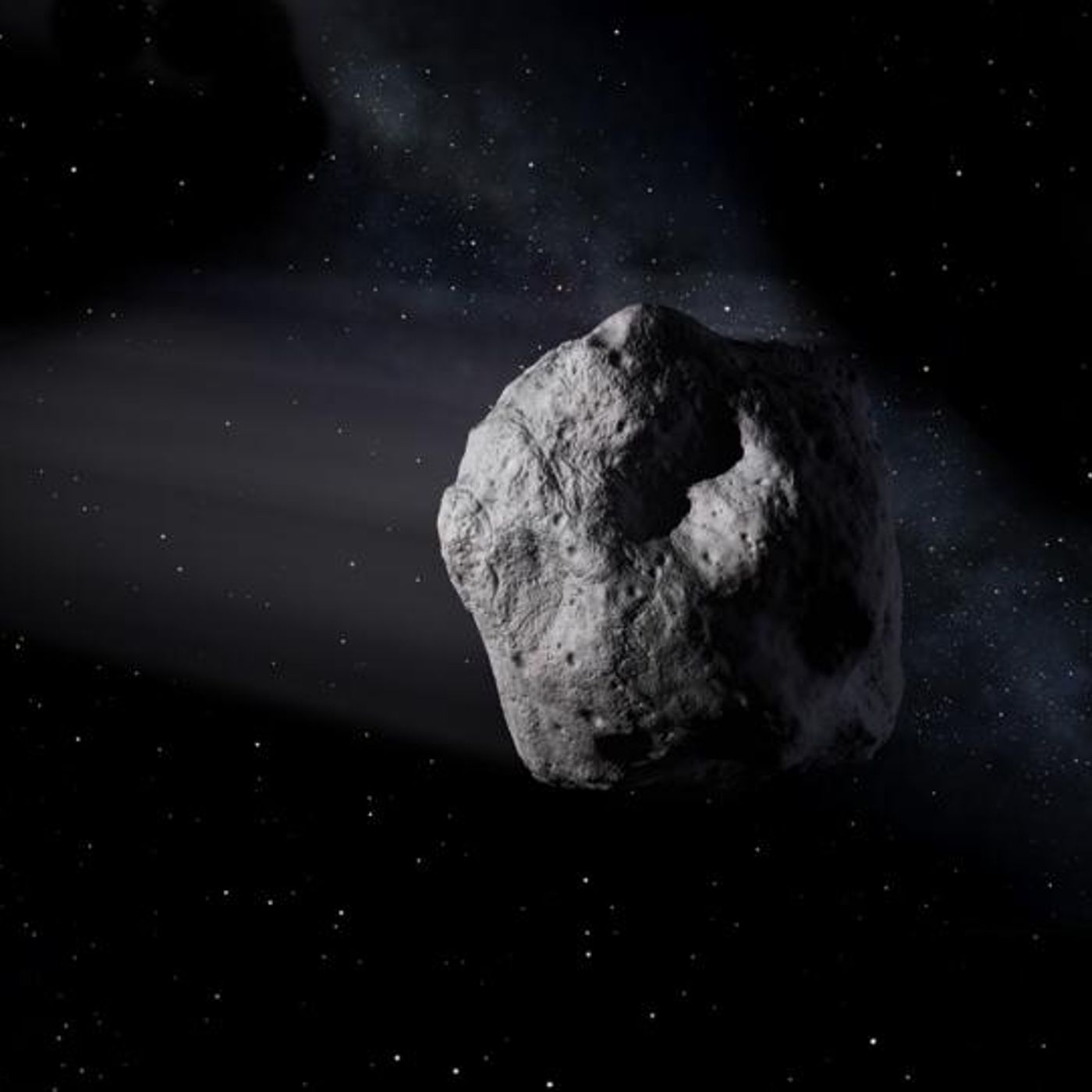
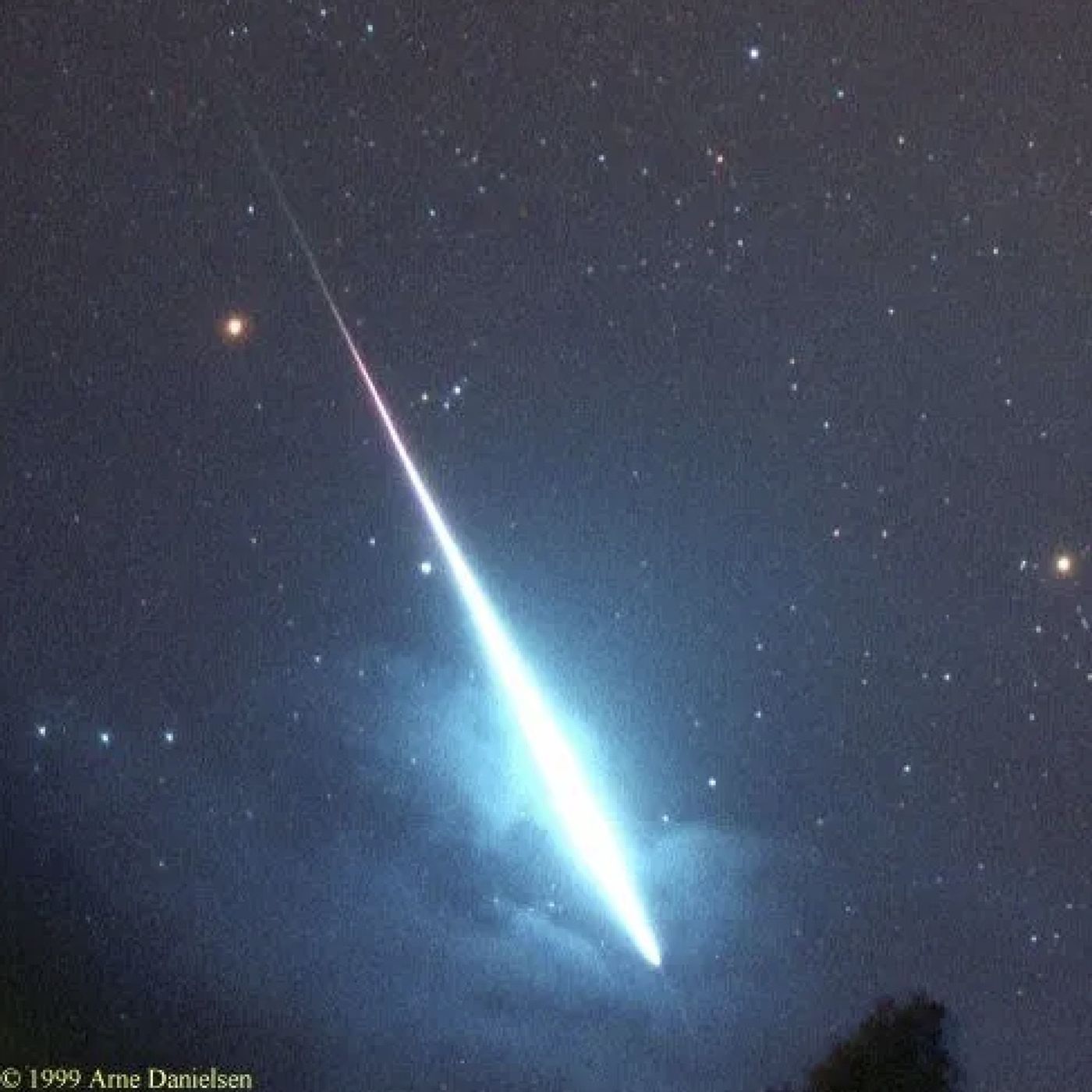
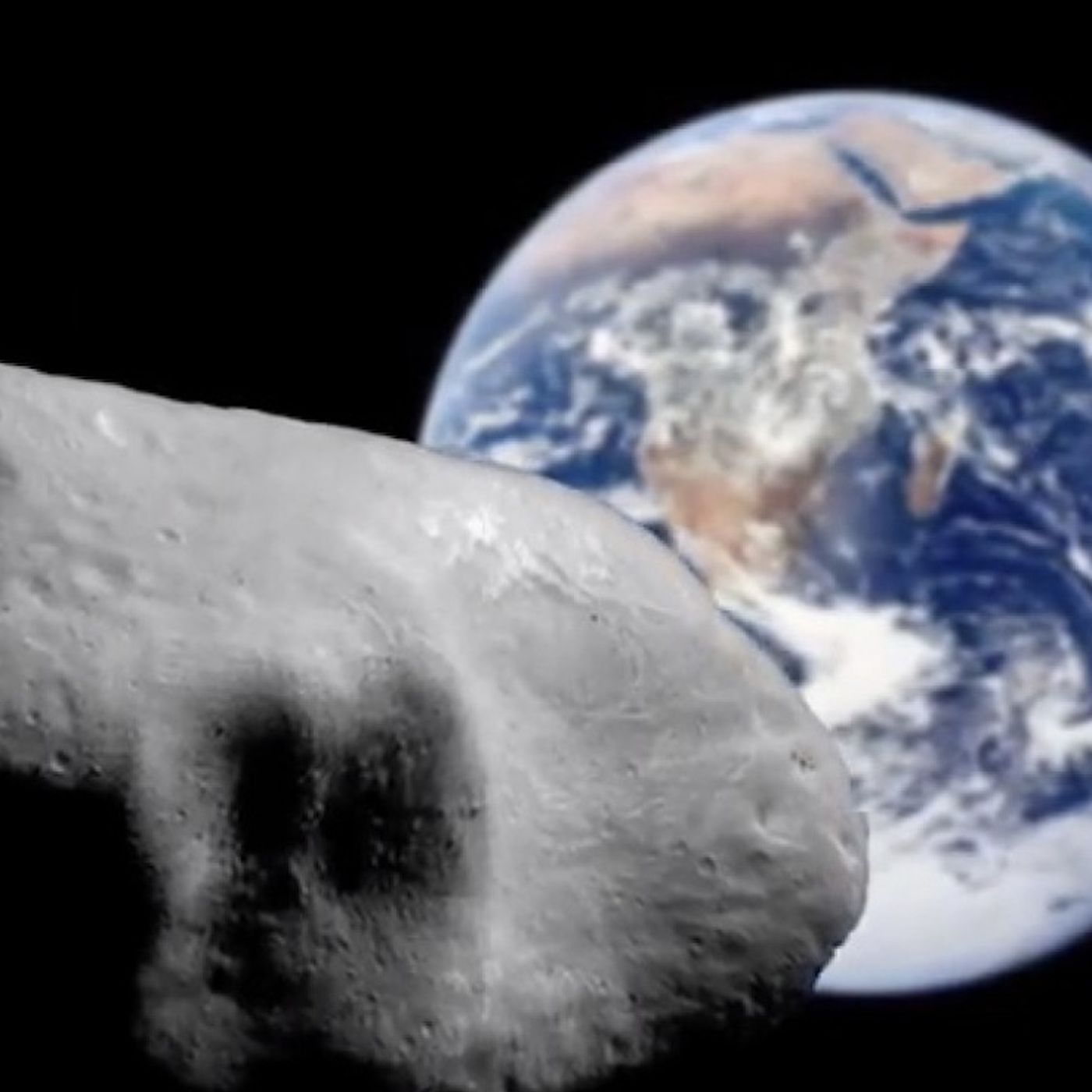
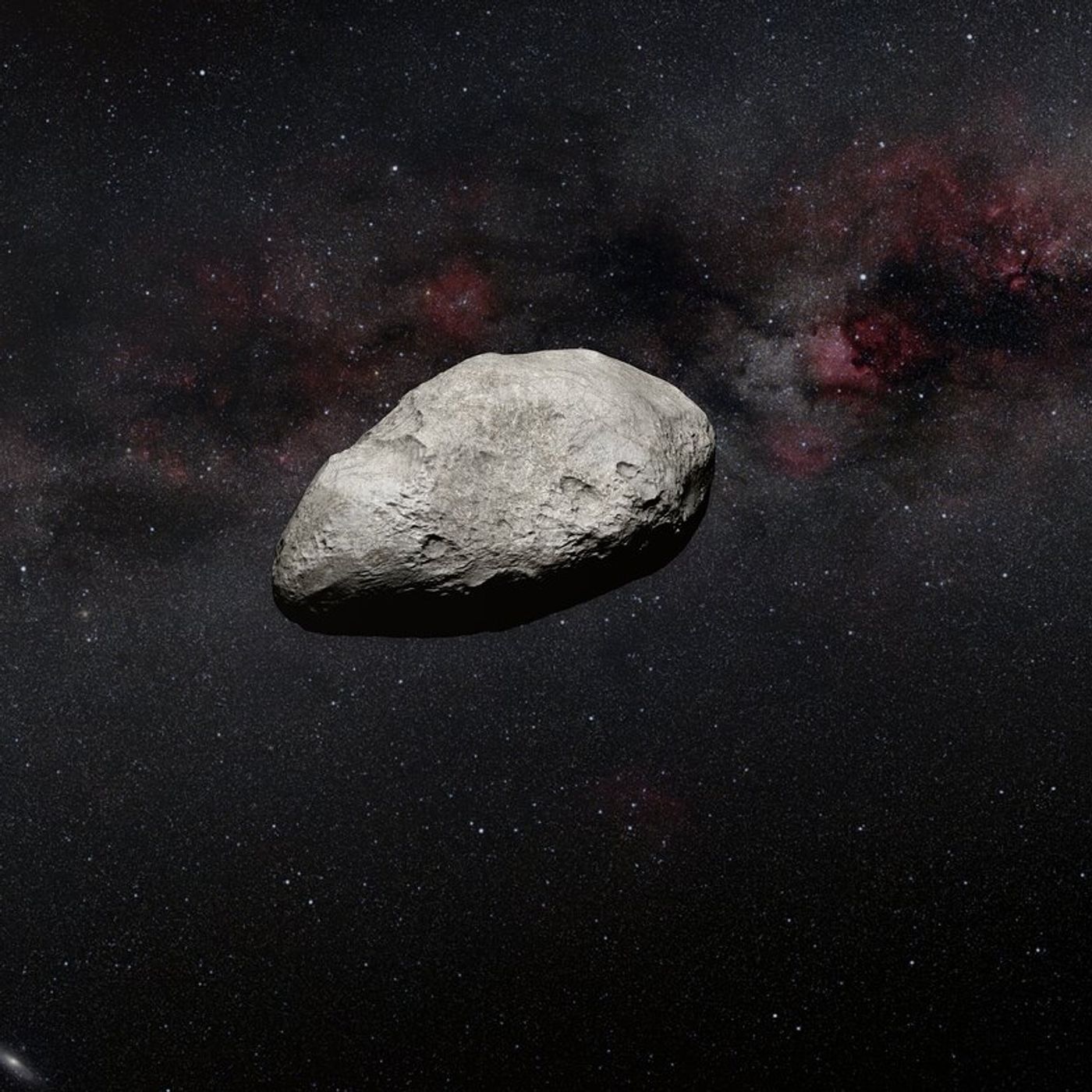
Eighteen hours before my Catalina Sky Survey teammate Rose Matheny first spotted a small space rock with our Schmidt telescope on Mt. Bigelow, Arizona it had passed less than the Earth's diameter from the surface of our planet. Rose was able to discover this Smart Car sized space rock after it moved out of the Sun's glare. At this point it was about the Moon's distance from her and was traveling away at 3.4 mi/s. After Rose posted her discovery observations on the Minor Planet Center's Near Earth Object Confirmation page, for the next 24 hours it was tracked by telescopes in Spain, Illinois, and Arizona. Scientists at the Minor Planet Center used these data to calculate it's orbit around the Sun, estimate it's size and give it the name 2017 UJ2. This small asteroid had come near the Earth in 1978 but was invisible to the technology which astronomers had available at the time. 2017 UJ2 will not come close enough for us to detect in the foreseeable future, however, there are likely to be tens of millions of others like it which can come close to Earth. A small asteroid the size of Rose's discovery is likely to enter our atmosphere at least once a year and explodes at about 4 times higher than airliners fly. If such an event happened at night and you were lucky enough to see it you would be treated to a fantastic light show. If you are as lucky as a power ball winner you might even be able to find a piece of it on the ground.

Each episode of Travelers In The Night feels like a quiet, personal conversation under a dark sky. Hosted by astronomer Dr. Albert D. Grauer, this podcast brings the distant cosmos into sharp, intimate focus. Dr. Grauer isn't just an observer; he's an active participant in the hunt, working with the Catalina Sky Survey team that has consistently discovered near-Earth asteroids for years. In these brief and engaging segments, you'll hear firsthand accounts of what it's like to track these ancient celestial travelers-the asteroids and comets that silently pass by our world. The discussions move beyond simple facts to explore the real-world implications of these discoveries, from planetary defense to the sheer wonder of our dynamic solar system. Accompanied by the contemplative music of John Lyell's "Eternity," each installment offers a moment of calm reflection on humanity's place in the universe. It’s a perfect blend of grounded science and cosmic curiosity, making complex astronomical concepts accessible and deeply fascinating. For anyone who has ever looked up and wondered what's out there moving in the dark, this podcast provides a direct line to the front lines of discovery.
Author: Language: English Episodes: 1000

Travelers In The Night
Podcast Episodes
272E-285-Mars Impactors [not-audio_url] [/not-audio_url]

Duration: 2:01
In 2015 the Earth was struck by at least 43 meteoroids which created bright fireballs. Their arrival does not seem to be correlated with the position of the Earth in it's orbit about the Sun.Overall a given piece of grou…
784-Josh's Two PHAs [not-audio_url] [/not-audio_url]

Duration: 2:01
So far asteroid hunters have discovered approximately half of the 5,000 PHAs which are likely to exist. Asteroid hunters will continue to search the sky to discover dangerous asteroids 50 years before impact so that huma…
271E-284-Dark Trails [not-audio_url] [/not-audio_url]

Duration: 2:01
A faint shooting star or meteor streaking across the sky is produced when a tiny bit of rock or dust enters the Earth's atmosphere and burns up some 60 miles above us. NASA scientist Dr. Marc Fries and his collaborators…
783--Kacper's Centaur [not-audio_url] [/not-audio_url]

Duration: 2:01
Centaurs have long puzzled astronomers since they have traits in common with both asteroids and comets.
270E-283-Micro-Astronomy [not-audio_url] [/not-audio_url]

Duration: 2:01
The history of our spot in the Universe is written in the composition of meteorites and other samples of materials we have obtained from space. Even the smallest speck has a story to tell.
782-Probing The Cosmic Web [not-audio_url] [/not-audio_url]

Duration: 2:01
In the past two decades astronomers have discovered that galaxies are not randomly distributed in space but rather occur along filaments of mass with huge empty voids between them. How objects and structures in the early…
269E-281-Starlight Walking [not-audio_url] [/not-audio_url]

Duration: 2:01
We don't know much about our Ethiopian ancestor Lucy who walked the Earth some 3 million years ago, however, it is likely that she made her way around at night but the light of the stars, air glow, and the Moon. In moder…
781-Comet C.2023 V5 (Leonard) [not-audio_url] [/not-audio_url]

Duration: 2:01
My Catalina Sky Survey teammate Greg Leonard was asteroid hunting in the constellation of Aquarius with our Schmidt telescope on Mt. Bigelow, Arizona when he discovered his 19th comet. Turns out Greg's new comet is a mem…
268E-280-Ice Volcanos [not-audio_url] [/not-audio_url]

Duration: 2:01
Scientists have spotted icy plumes coming from below the surface of Saturn's moon Enceladus but have yet to witness such events on Ceres. Even so there is significant evidence which points to the possibility of a liquid…
780-Scary Space Rock [not-audio_url] [/not-audio_url]

Duration: 2:01
My Catalina Sky Survey teammate David Rankin was being filmed and interviewed by the NASA 360 crew at our 60 inch telescope on Mt. Lemmon, Arizona when he discovered a scary space rock moving through the constellation of…