378E-414-Enormous Visitor

378E-414-Enormous Visitor

Author: Albert D. Grauer March 3, 2026 Duration: 2:01
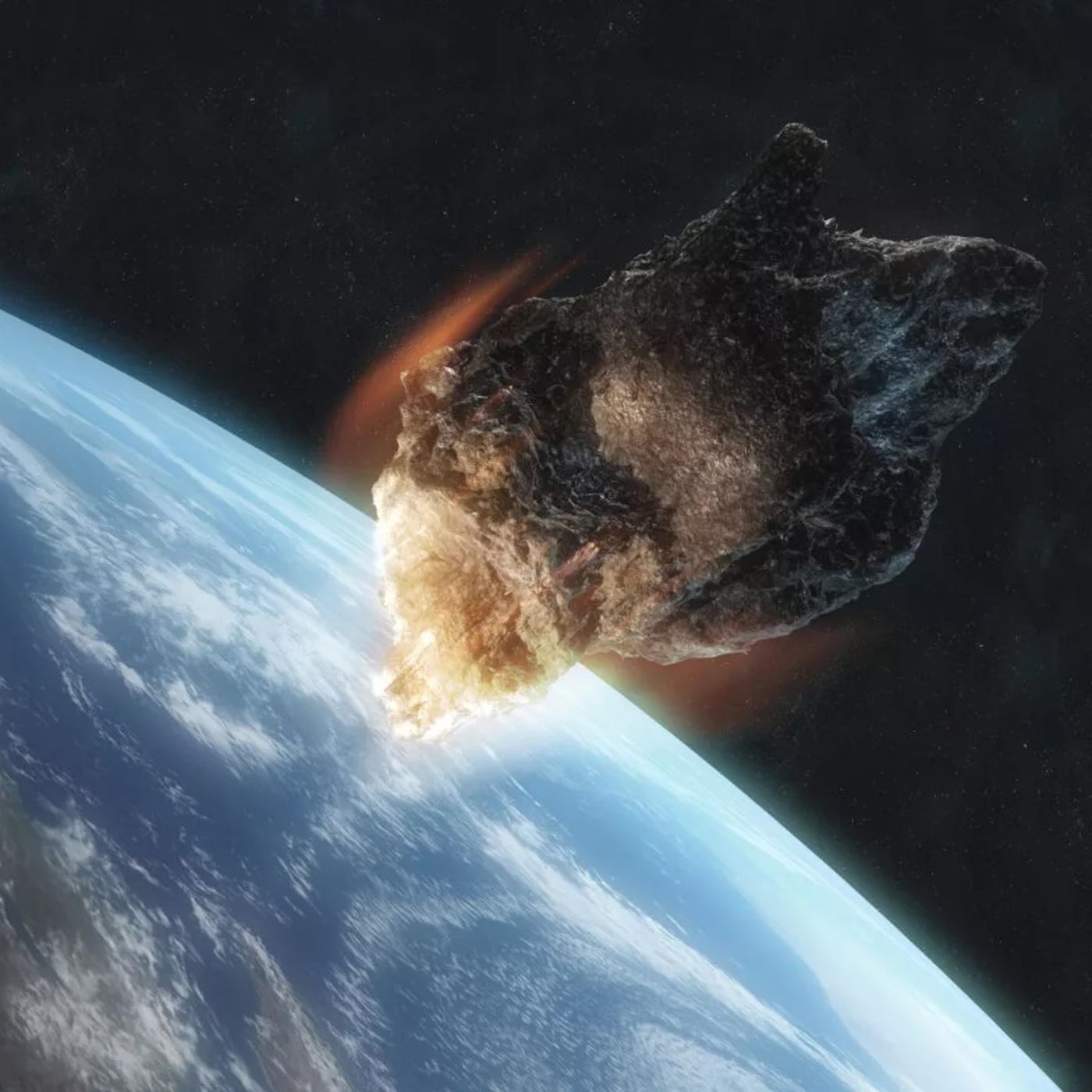
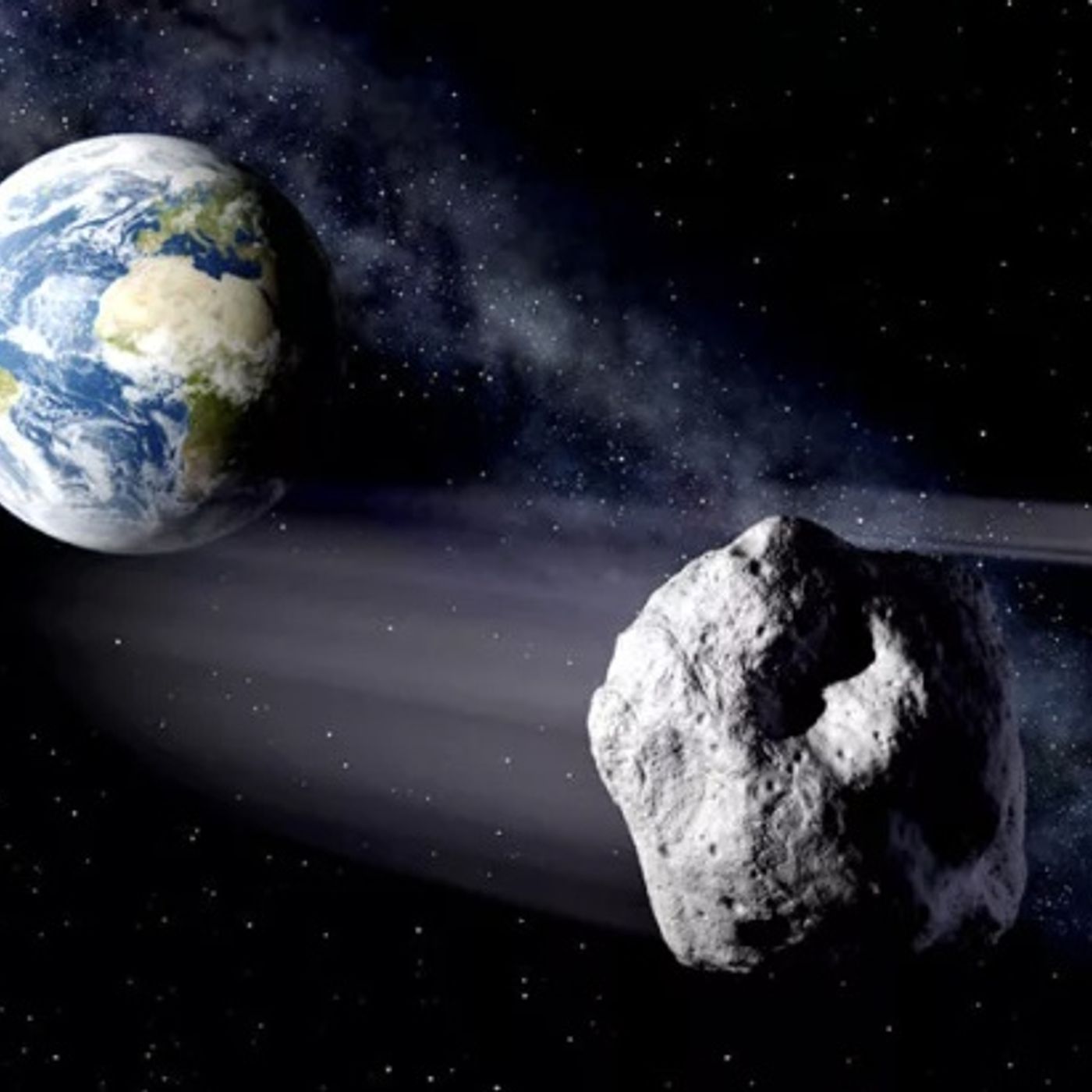
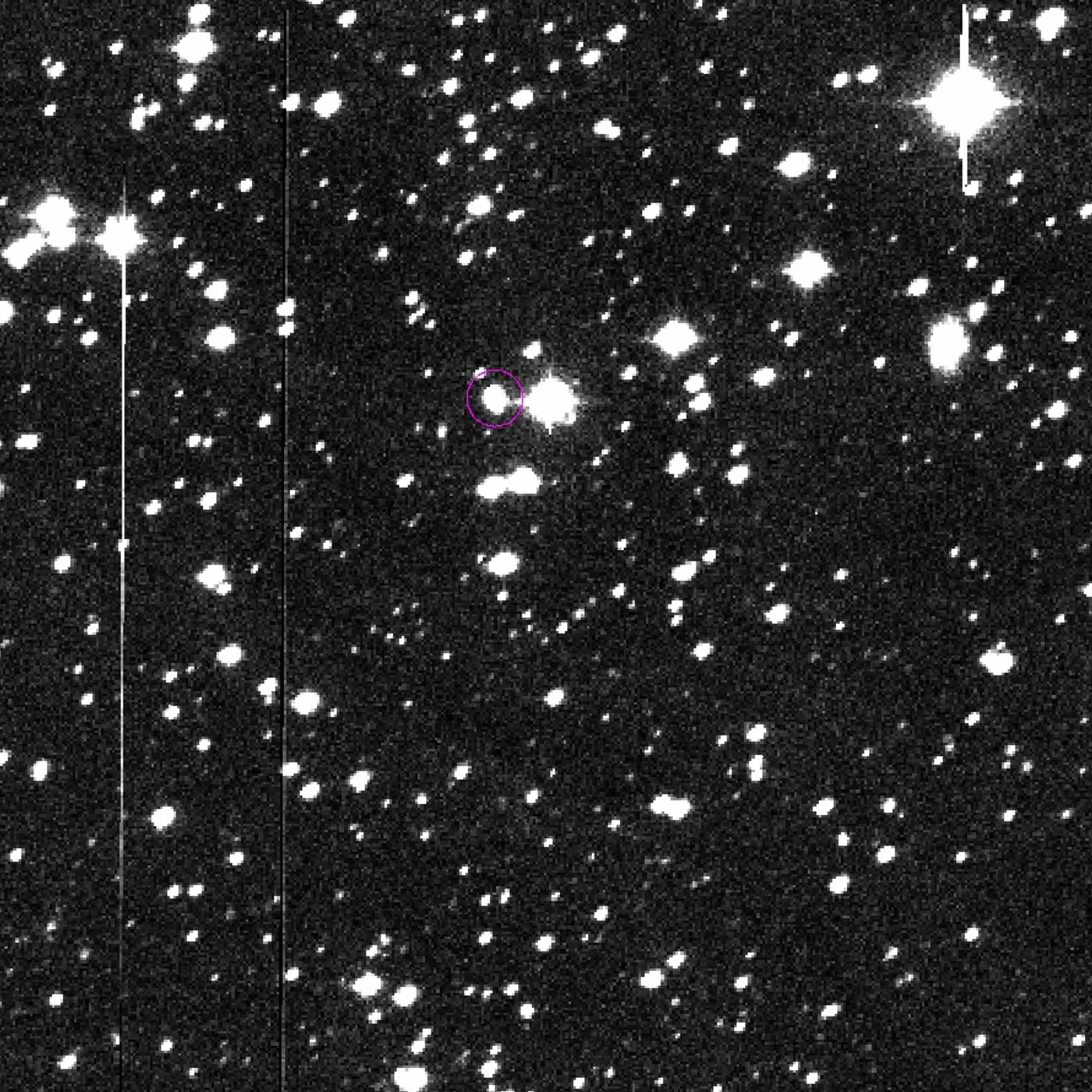
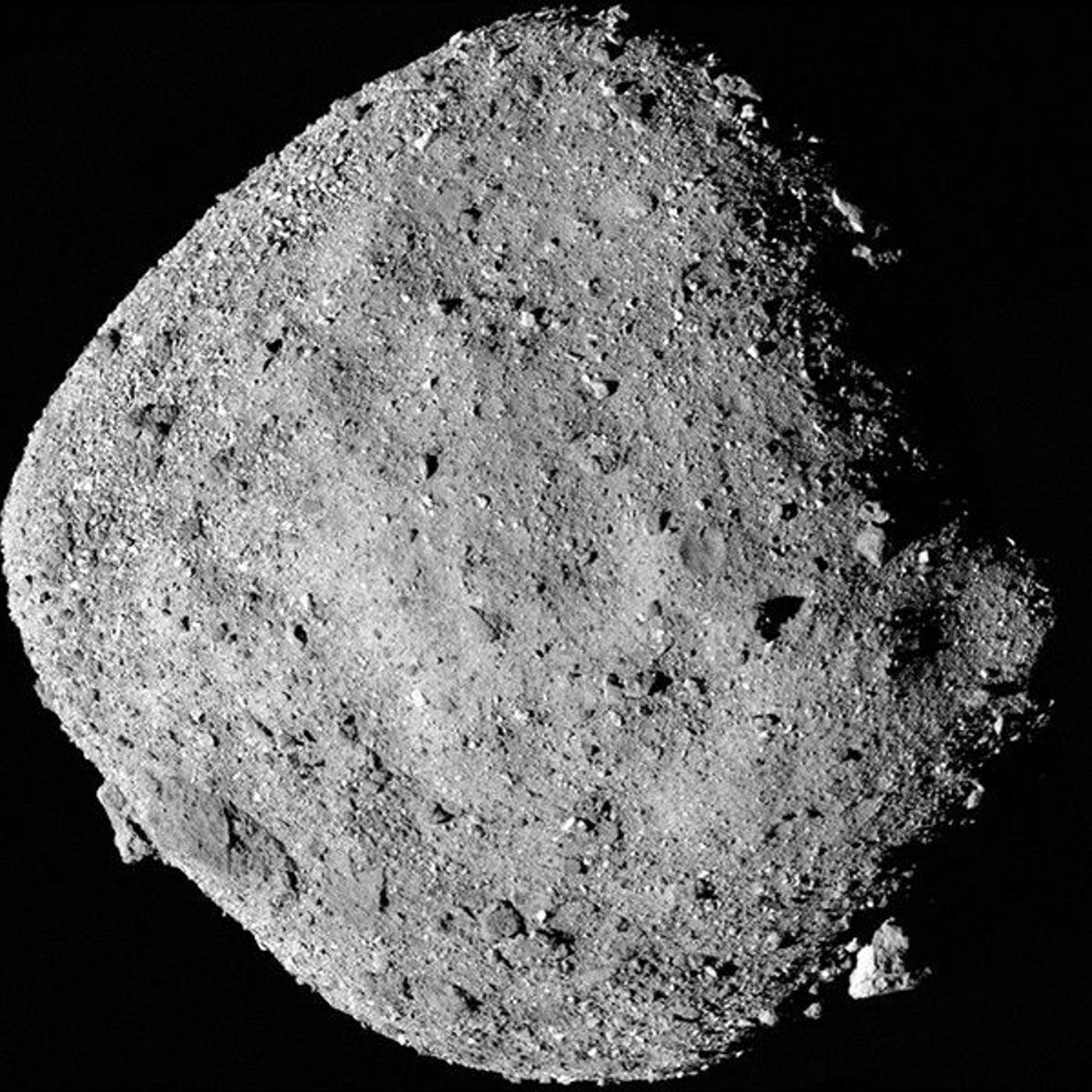
Without additional data, the true nature of the rapidly northward moving point of light my Catalina Sky Survey teammate Carson Fuls had just discovered would have remained a mystery. Fortunately, this new object was tracked by telescopes in both Arizona and New Mexico. These data were used to calculate it's orbit around the Sun, estimate it's size, and give it the name 2017 UX5. When Carson first spotted this enormous 1,200 foot diameter space rock it was more than 30 million miles away traveling in our direction at 10.7 mi/s. It's orbit and that of the Earth's nearly intersect and at the closest point they are about two and one half times the Moon's distance from us apart. An asteroid the size of 2017 UX5 impacts the Earth every 76,000 years or so. According to the impact calculator developed at Purdue University and the Imperial College of London if 2017 UK5 is made of porous rock and came in at an angle of 45 degrees, it would start to break into pieces at an altitude of 41 miles and upon reaching the surface would create a crater 2.2 miles in diameter and 5/8 of a mile deep in sedimentary rock. The results 20 miles away from impact would be that of a 6.4 Richter Scale magnitude Earth quake followed by 176 mph air wind blast which would blow down 90% of the trees and collapse wood frame buildings. Fortunately asteroid hunters have not discovered any object like Carson's discovery with our number on it.

Each episode of Travelers In The Night feels like a quiet, personal conversation under a dark sky. Hosted by astronomer Dr. Albert D. Grauer, this podcast brings the distant cosmos into sharp, intimate focus. Dr. Grauer isn't just an observer; he's an active participant in the hunt, working with the Catalina Sky Survey team that has consistently discovered near-Earth asteroids for years. In these brief and engaging segments, you'll hear firsthand accounts of what it's like to track these ancient celestial travelers-the asteroids and comets that silently pass by our world. The discussions move beyond simple facts to explore the real-world implications of these discoveries, from planetary defense to the sheer wonder of our dynamic solar system. Accompanied by the contemplative music of John Lyell's "Eternity," each installment offers a moment of calm reflection on humanity's place in the universe. It’s a perfect blend of grounded science and cosmic curiosity, making complex astronomical concepts accessible and deeply fascinating. For anyone who has ever looked up and wondered what's out there moving in the dark, this podcast provides a direct line to the front lines of discovery.
Author: Language: English Episodes: 100

Travelers In The Night
Podcast Episodes
885-Dark Sky Network [not-audio_url] [/not-audio_url]

Duration: 2:01
Around the world those who value the natural night sky are evaluating the effects of light pollution. In addition to impairing astronomy and star gazing the past 100 years of increasing light pollution is proving to be h…
374E-408-Earth's Pet Rock [not-audio_url] [/not-audio_url]

Duration: 2:01
On it's gravitational leash, Earth's pet space rock, 2016 HO3, accompanies us at a distance of between 38 and 100 times the Moon's distance from Earth as we both travel about the Sun. As this tiny asteroid orbits the Sun…
884-Turkeys and Asteroids [not-audio_url] [/not-audio_url]

Duration: 2:01
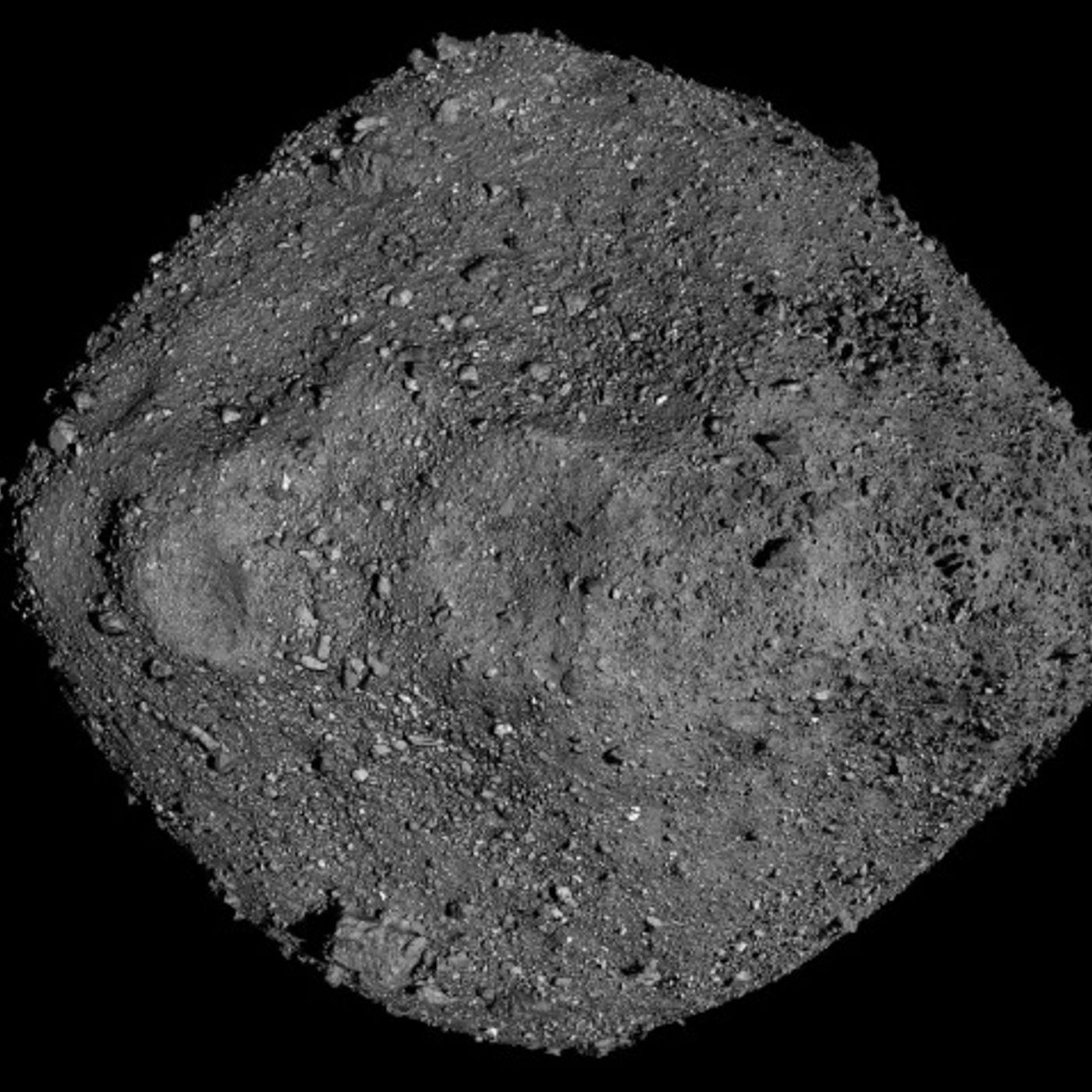
Since in its early history the Earth’s surface was hot and lifeless it is likely that asteroids formed in the same era as Bennu delivered the raw materials for life when they impacted our home planet long ago
373E-407-Plant Companionship [not-audio_url] [/not-audio_url]

Duration: 2:01
On Earth, human life is enabled by plants which provide us with calories, vitamins, fuel, medicines, and oxygen to breathe. In addition, recent scientific studies indicate that plant cultivation reduces anxiety and depre…
883-Theia [not-audio_url] [/not-audio_url]

Duration: 2:01
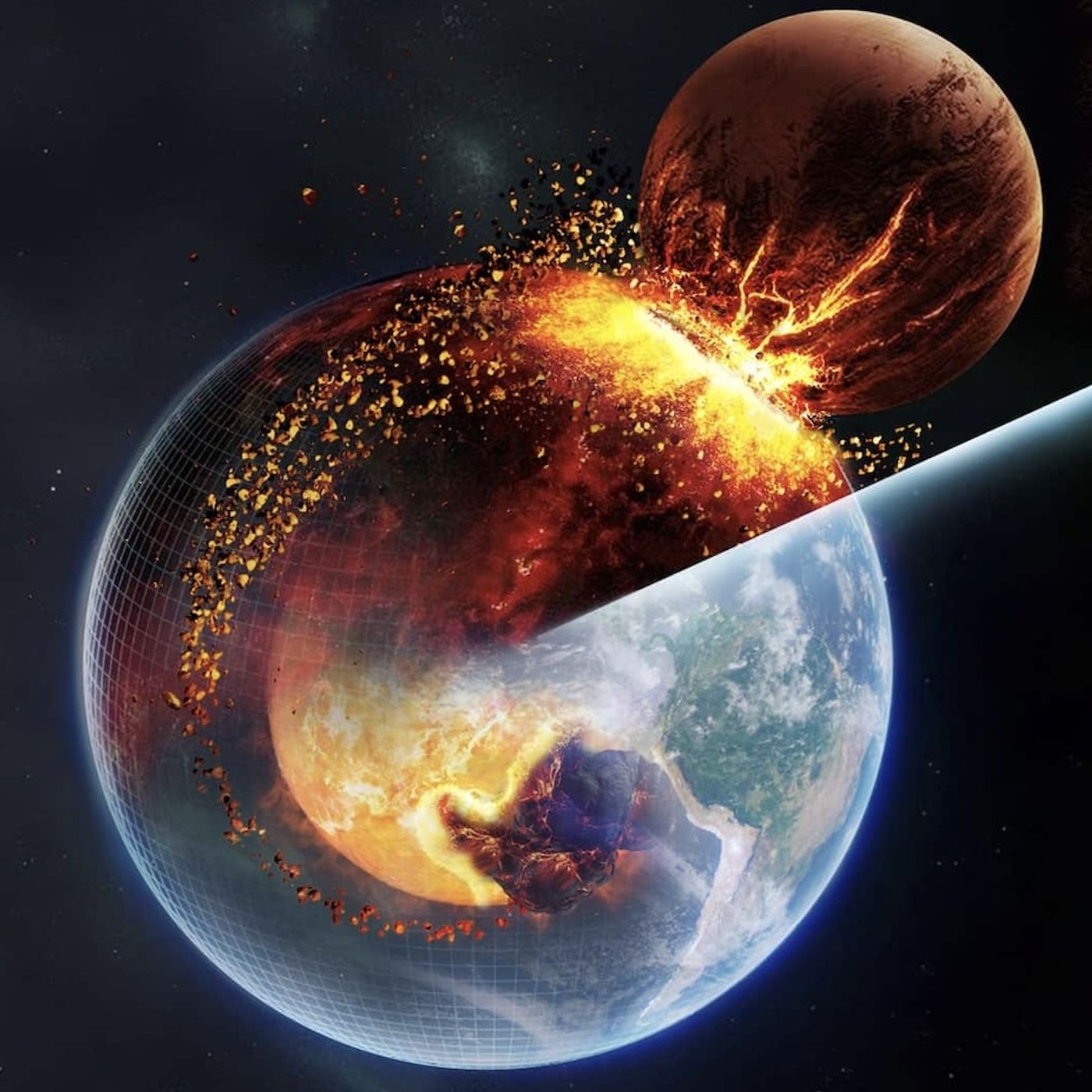
In the distant past things in our solar system were very much more wild and violent than they are today. 4.5 billion years ago a Mars sized object called Theia impacted Earth producing our Moon. Scientists are able resea…
372E-406-Close Ones [not-audio_url] [/not-audio_url]

Duration: 2:01
In less than 24 hours, while observing with the Catalina Sky Survey's 60 inch telescope on Mt. Lemmon, Arizona , I discovered two 25 foot diameter space rocks that theoretically can pass less than a quarter of the Moon's…
882-David’s Goliath PHA [not-audio_url] [/not-audio_url]

Duration: 2:01
My Catalina Sky Survey teammate David Rankin was asteroid hunting in the evening twilight with our 60 inch telescope on Mt. Lemmon Arizona when he spotted an unknown object in the constellation of Lyra. The largest teles…
371E-405-Kiwi Nights [not-audio_url] [/not-audio_url]

Duration: 2:01
New Zealand's 4.5 million people are concentrated in three major population centers which to various degrees suffer from the modern plague of light pollution. However, most of New Zealand's large rural areas and land res…
881-Dangerous Comets [not-audio_url] [/not-audio_url]

Duration: 2:01
It is possible the object creating the Tunguska event in Russia 1908 which knocked down 80 million trees over an area about twice the size of New York City was a fragment of a comet or asteroid. The International Asteroi…
370E-403-Double Comet [not-audio_url] [/not-audio_url]

Duration: 2:01
In November of 2006, University of Arizona's Spacewatch astronomers on Kitt Peak discovered a faint moving point of light in the night sky which appeared to be a garden variety main belt asteroid orbiting the Sun between…