China, India and the USA’s different approaches to climate security

China, India and the USA’s different approaches to climate security

Author: Department of War Studies November 11, 2021 Duration: 41:57
The three major powers at the centre of COP26 - China, India and the USA, have differing perspectives on the link between climate and security. Yet how does this impact their climate policy? What are the drivers behind the ways the different countries think about the relationship between security and the environment? How does this impact the vital cooperation needed to make COP 26 a success? Recorded just as COP 26 was getting underway, the third episode of this five-part mini-series on Climate Change and National Security focuses on these questions. Dr Duraid Jalili from the King’s Environmental Security Research Group and Professor Matt McDonald from the University of Queensland, speak to leading climate security experts including Erin Sikorsky, Director of the Center for Climate and Security and the International Military Council on Climate and Security, Dhanasree Jayaram, Assistant Professor in the department of Geopolitics and International Relations at the Manipal Academy of Higher Education in India, and Karl Hallding, Senior Research Fellow at the Stockholm Environmental Institute. In this honest discussion, reveals where the governments are going wrong the experts reflect on the barriers and obstacles of different climate security approaches as well as emerging opportunites. Including whether China’s Belt and Road initiative is actually as ‘green’ as they claim, how territorial contestations undermine climate cooperation and how bringing a climate lens to security can help strengthen relationships with partners and allies.

Drawn from the work of the School of Security Studies at King's College London, War Studies offers a direct line to one of the world's largest and most dedicated academic communities focused on security, defence, and international relations. This isn't about surface-level headlines; each episode digs into the intricate realities of conflict, diplomacy, and global power. You'll hear scholars and researchers unpack the underlying forces that shape world affairs, moving beyond theory to examine the tangible challenges faced by those navigating these complex spaces. The Department of War Studies produces this podcast to share its world-leading research, treating each conversation as an opportunity to question assumptions and deepen understanding. Tuning in means engaging with rigorous analysis that connects academic insight to the pressing security issues of our time. The consistent thread is a belief that examining the nature of war is essential for comprehending the broader landscape of human conflict and cooperation. Expect thoughtful, evidence-driven discussions that refuse to simplify the difficult questions.
Author: Language: English Episodes: 100

War Studies
Podcast Episodes
Prisons: the path to extremism? [not-audio_url] [/not-audio_url]

Duration: 45:13
Are prisons really hotbeds of terrorism? Will the ‘ordinary’ young man entering prison be so influenced by his cell mate that he leaves a terrorist? Or can a spell in these ‘incubators of extremism’ actually have the opp…
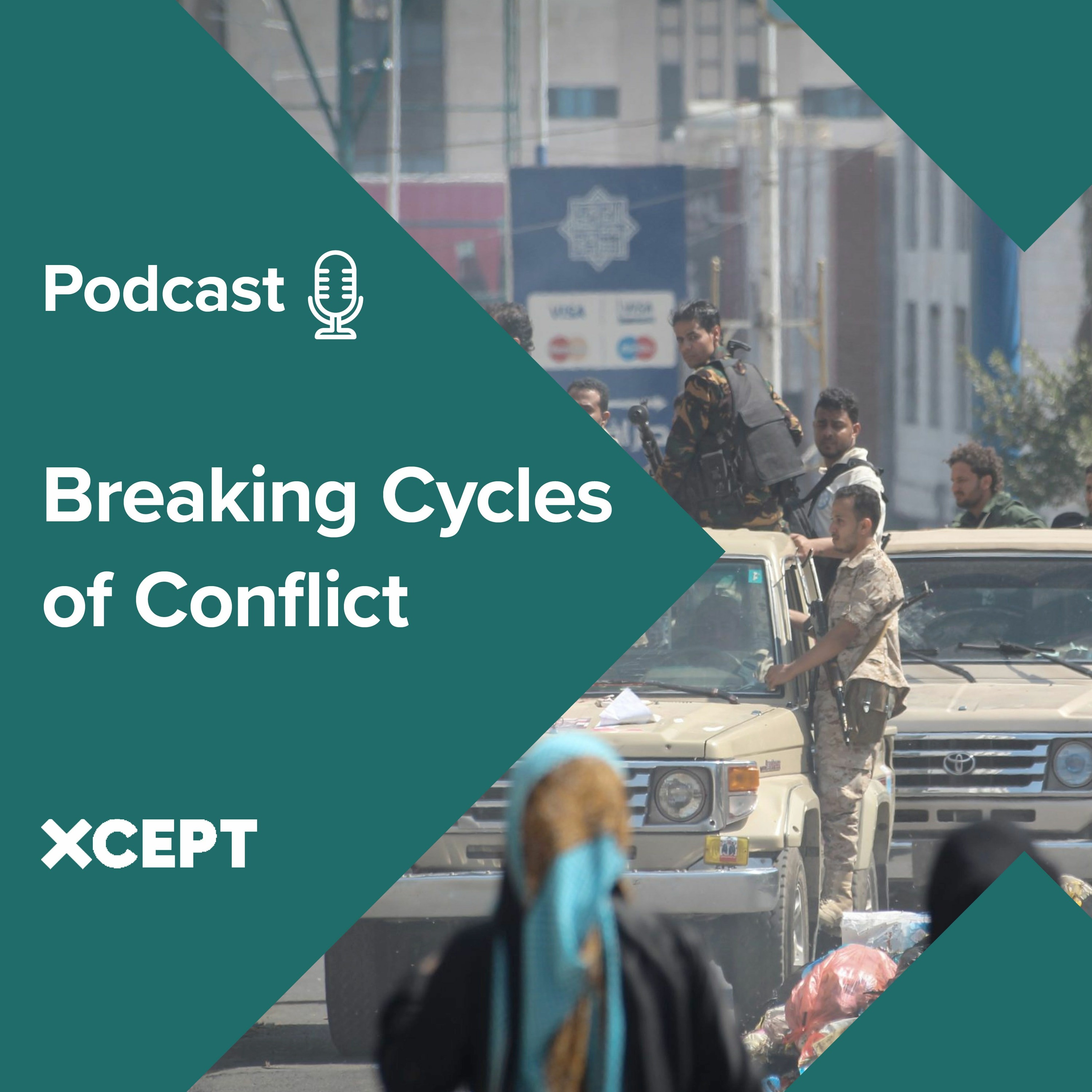
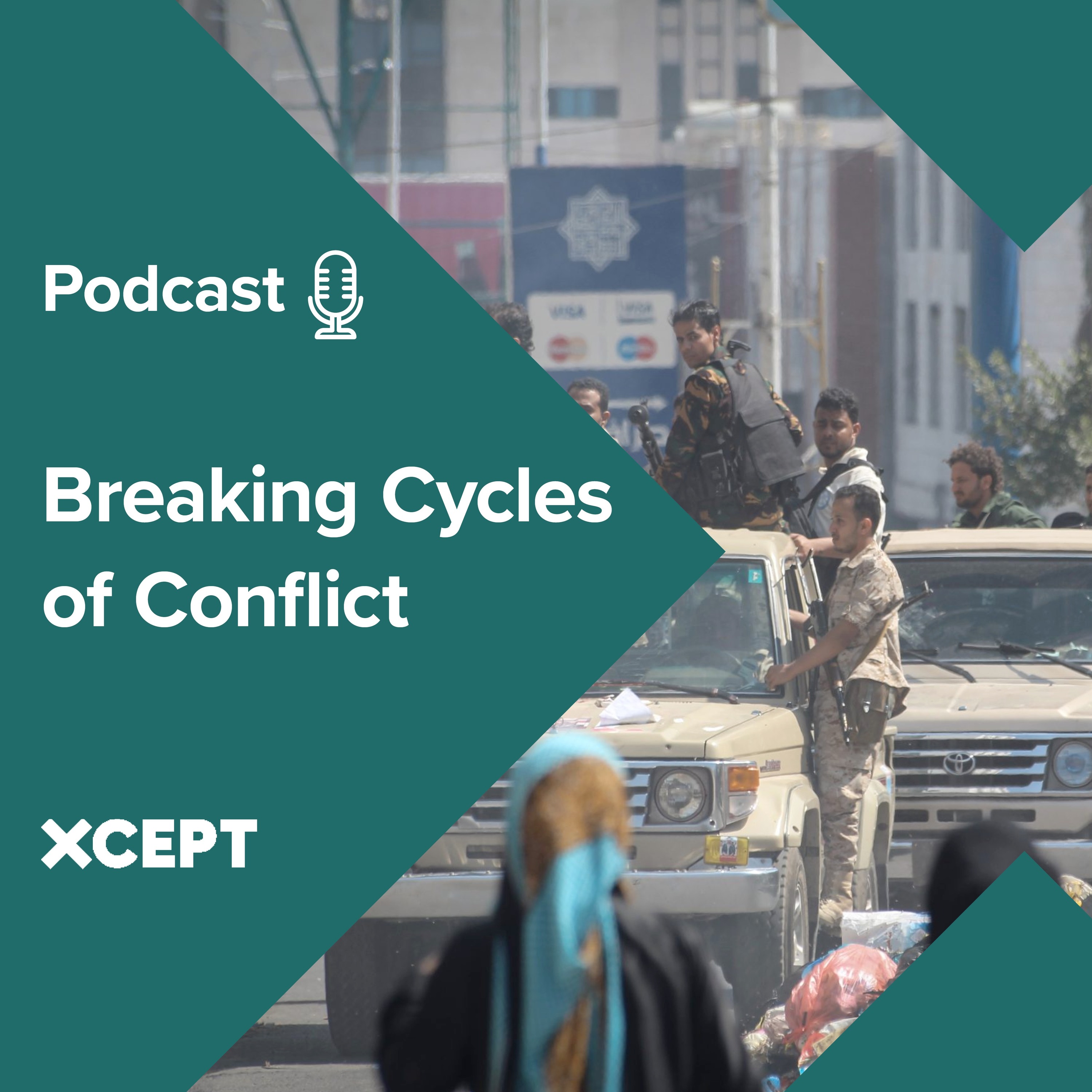
Breaking cycles of conflict [not-audio_url] [/not-audio_url]

Duration: 27:13
What drives one person to violence and another to peace? How does experience of trauma lead to radicalisation? Are there interventions that can help deflect people from trajectories of extremism? These are some of the qu…
The Western Front: The Generals in the First World War [not-audio_url] [/not-audio_url]

Duration: 39:40
The Western Front, that cauldron of war, a bubbling, fermenting experiment in killing that changed the world. The Western Front would become synonymous with stalemate and mass slaughter, with indecisive, attritional stru…
Women leaders in health and conflict [not-audio_url] [/not-audio_url]

Duration: 39:08
Globally, there are very few women in leadership positions in healthcare and peacebuilding in areas of armed conflict – but why is this the case? Why are women a key part of healthcare & peacebuilding? What barriers do w…
The Road to Vietnam with Dr Pablo de Orellana [not-audio_url] [/not-audio_url]

Duration: 51:52
Why did the United States become involved in Vietnam? To combat communism, evidently. But just how did a Southeast Asian French colony already devastated by two wars become an existential threat? The Vietnam war is one o…
The war in Ukraine explained: More from our experts [not-audio_url] [/not-audio_url]

Duration: 56:06
What’s happening on the ground in Ukraine? Why has Russia’s hopes of a swift, decisive victory turned into a long, drawn-out, brutal war of attrition? How has Russia revised it’s strategy and tactics, as Putin loses inte…