
John Cage: The Avant-Garde Composer Who Redefined Music
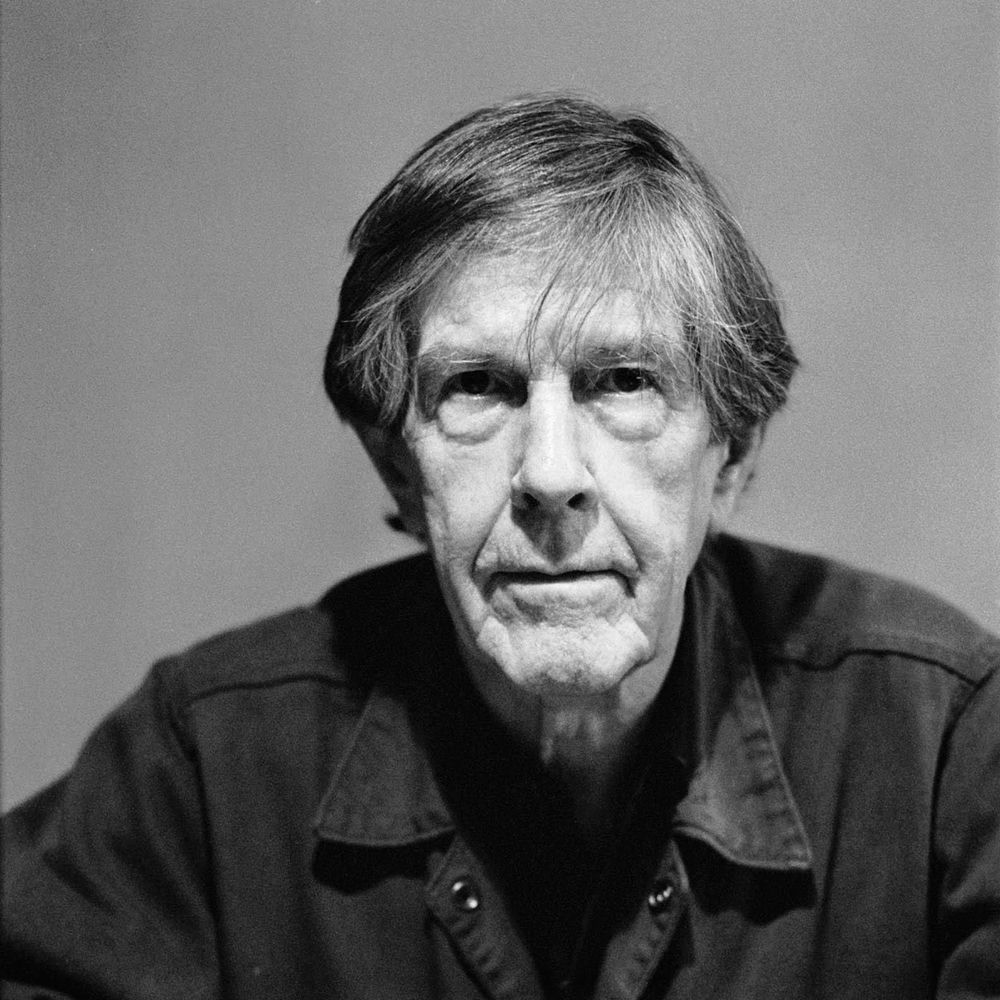
John Cage was an American composer and music theorist whose radical ideas permanently altered the landscape of 20th-century music. Hailing from Los Angeles, California, his most famous and controversial work, 4'33", challenged the very definition of music and performance, securing his legacy as a pivotal figure in avant-garde and experimental genres.
Early career
Born in 1912, John Cage began studying music and composition in the 1930s after initially focusing on painting and writing. His early tutelage under innovators like Arnold Schoenberg and Henry Cowell led him to explore percussion and electronic sounds, resulting in his first significant compositions for prepared piano in the late 1930s and early 1940s.
These early works, such as Bacchanale, were released through small, avant-garde labels and performance spaces. His growing reputation in New York's artistic circles set the stage for his philosophical and sonic explorations into chance and indeterminacy.
Breakthrough
Cage's ideas reached a wider public and critical zenith in 1952 with the premiere of 4'33". The piece, published by associated labels like C.F. Peters, featured a performer sitting in silence for four minutes and thirty-three seconds, directing attention to ambient environmental sounds. This conceptual breakthrough cemented his status as a leader of the post-war avant-garde, though it defied conventional chart or sales metrics.
Key tracks
4'33" — This 1952 silent composition is his most famous work, fundamentally questioning the nature of musical experience.
Sonatas and Interludes — A major cycle for prepared piano that showcases his innovation in altering the instrument's sound and texture.
Imaginary Landscape No. 4 — This 1951 piece for twelve radios was a pioneering early work in live electronic music and chance operations.
Music of Changes — A landmark 1951 piano piece composed using the I Ching, establishing his method of chance-controlled composition.
His later career involved major collaborations with choreographer Merce Cunningham and artists like Robert Rauschenberg. Cage continued to produce influential lectures, writings, and compositions such as HPSCHD, created with Lejaren Hiller, until his death in 1992, leaving a vast and challenging catalog.
For those exploring the outer limits of sound, similar artists include Steve Reich, who also pioneered minimalist and process-based music. La Monte Young shares Cage's conceptual rigor and focus on the nature of sound itself. Morton Feldman was a close associate known for his quiet, expansive compositions. Brian Eno later extended Cage's ideas about ambient music and generative systems into popular music contexts.
The experimental genre that John Cage helped define remains a staple on dedicated online radio streams and independent music radio stations. These platforms frequently feature his recorded works and discussions on his impact, ensuring his challenging ideas reach new audiences.
Listeners can discover the groundbreaking music of John Cage on the experimental and avant-garde radio stations featured on our website. Tune in via onairium.com to hear his compositions and explore the boundaries of sound he helped redefine.