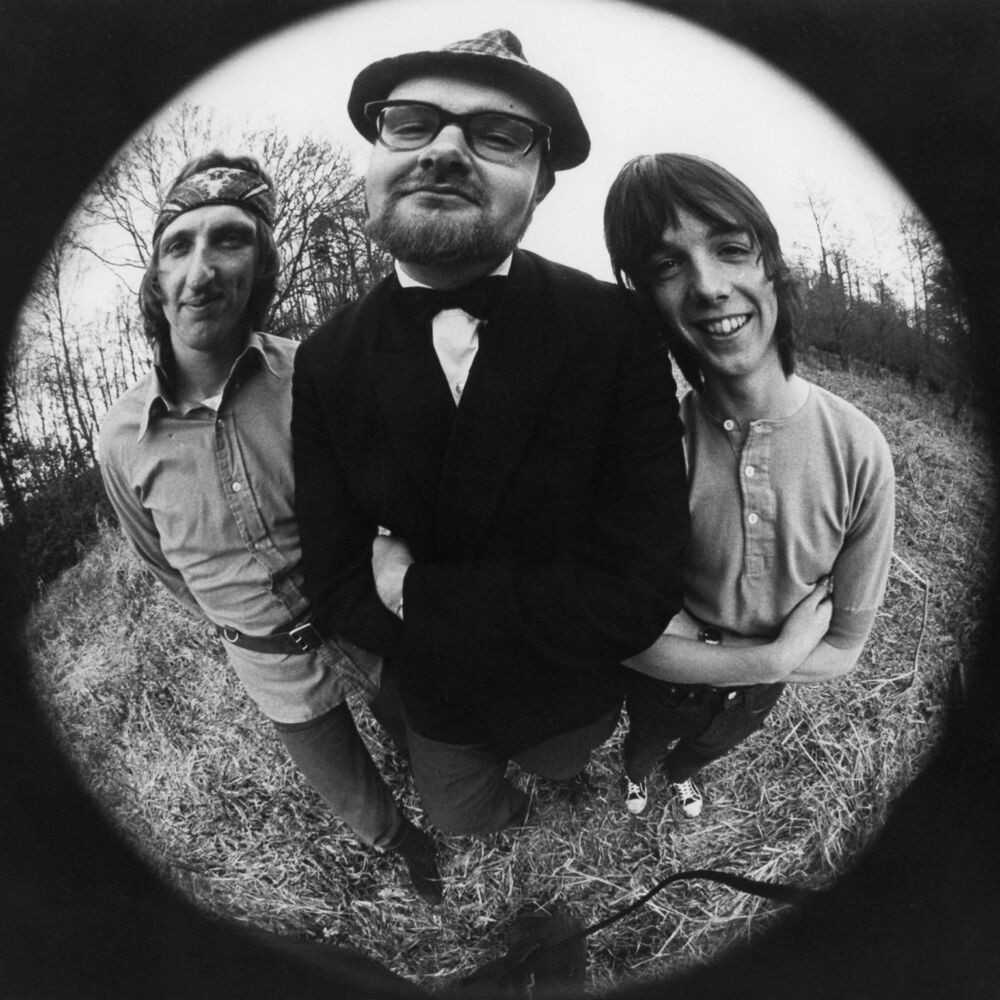

King Crimson
 United Kingdom
Listen King Crimson on radio stations:









King Crimson: The Architects of Progressive Rock
King Crimson is a pioneering British band whose ever-evolving sound defined and transcended the progressive rock genre. Formed in London in 1968, the group is celebrated for its complex compositions, technical virtuosity, and profound influence on multiple generations of musicians.
Early career
The band was founded by guitarist Robert Fripp and lyricist Peter Sinfield in 1968, with the initial lineup including Greg Lake on bass and vocals, Ian McDonald on reeds and woodwinds, and Michael Giles on drums. Their 1969 debut album, In the Court of the Crimson King, was a landmark release that immediately established a new standard for artistic ambition in rock music.
Breakthrough
The release of In the Court of the Crimson King in October 1969 served as both their debut and instant breakthrough. The album reached No. 5 on the UK Albums Chart and its apocalyptic sound, epitomized by the opening track "21st Century Schizoid Man," shocked the music world, providing a dark, sophisticated counterpoint to the psychedelic era.
Key tracks
21st Century Schizoid Man - This explosive opening track from their debut became an instant classic, showcasing the band's aggressive, jazz-influenced power and defining a new sonic palette for progressive rock.
Epitaph - A majestic, melancholic ballad from the first album that highlighted their symphonic ambitions and Greg Lake's dramatic vocal delivery, setting a template for epic rock compositions.
Larks' Tongues in Aspic, Part One - The title track from their 1973 album marked a radical reinvention, introducing a new, heavier instrumental focus with violinist David Cross and percussionist Jamie Muir.
Red - The title track from their seminal 1974 album is a monumental instrumental piece that fused complex rock structures with a fierce, metallic intensity that would later inspire alternative and metal bands.
Discipline - The opening track from their 1981 comeback album signaled a completely new, minimalist and rhythmically intricate direction with the addition of Adrian Belew and Tony Levin.
Under Robert Fripp's sole consistent leadership, King Crimson underwent numerous radical lineup changes and stylistic shifts, each era marked by a distinct identity. The 1970s saw periods of jazz fusion exploration on albums like Larks' Tongues in Aspic and the dense, powerful Red. After a hiatus, the band re-emerged in 1981 with a new quartet, producing a trilogy of albums-Discipline, Beat, and Three of a Perfect Pair-that intertwined complex interlocking guitar patterns with New Wave and world music influences.
Following another extended break, Fripp revived King Crimson in the 1990s as a "double trio" configuration, and later forms continued to tour and record into the 21st century, culminating in final tours between 2014 and 2021. Their catalog, largely released on their own Discipline Global Mobile label, remains a touchstone for musical innovation.
Fans of King Crimson's intricate and adventurous approach often explore the work of similar progressive acts. The complex compositions of Yes share a symphonic scale and technical prowess. Genesis under Peter Gabriel explored similarly ambitious narrative and musical territories in the early 1970s. The experimental rock ethos of Tool demonstrates a clear lineage from Crimson's dissonant rhythms and structures.
The enduring legacy of King Crimson is cemented by their fearless reinvention and uncompromising musical vision, which continues to resonate with listeners seeking rock music of substantial depth and complexity.