
La Unión: Spanish New Wave and Pop Rock Pioneers
La Unión is a Spanish pop rock and new wave band that formed in the early 1980s. The group achieved significant commercial success in their home country, becoming one of the definitive acts of the Spanish "Movida" cultural movement with a string of hit albums and singles.
Early Career
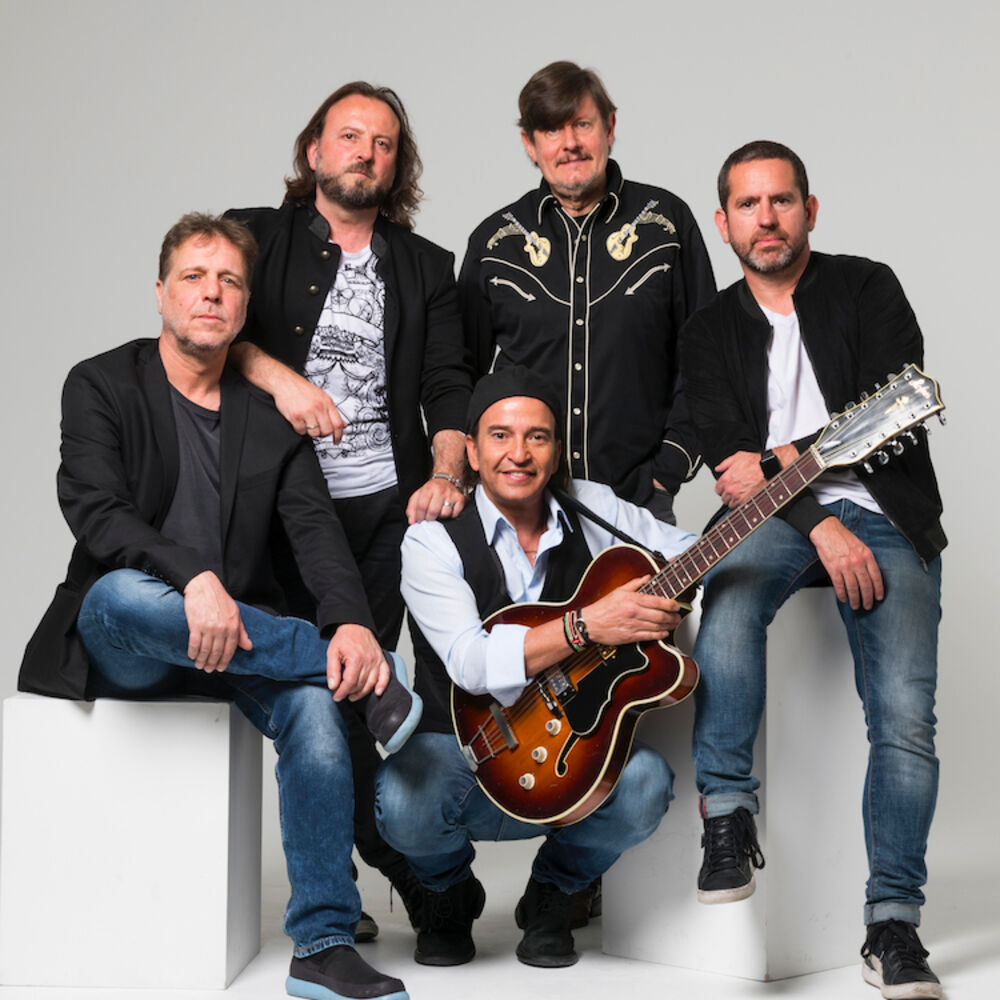
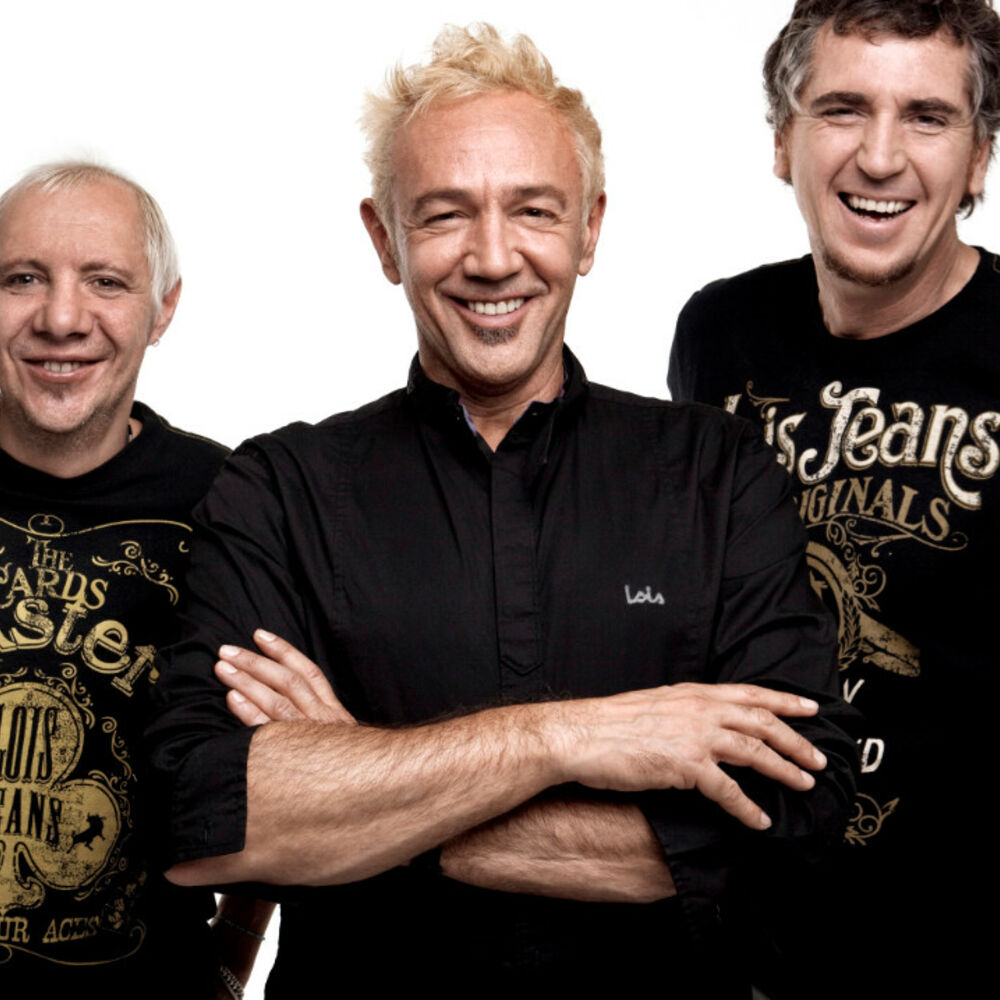
La Unión was formed in 1981 in the city of San Sebastián, Spain, amidst the vibrant post-Franco cultural explosion known as "La Movida." The original lineup consisted of vocalist and bassist Ignacio "Iñaki" Uria, guitarist Rafa Rueda, keyboardist Luis "Luiso" Churruca, and drummer Mario Martínez. They quickly developed a sound that blended the emerging international new wave and synth-pop styles with melodic Spanish-language songwriting.
Breakthrough
The band's breakthrough came with their second studio album, Mil Siluetas, released in 1984. This record captured the energy of the era and spawned several popular tracks, solidifying their place on the national music scene. Their subsequent albums, including 4x4 (1986) and El Miedo (1988), further cemented their popularity, achieving strong sales and frequent radio play throughout Spain and Latin America.
Key Tracks
Lobo Hombre en París - This 1984 synth-pop track, a cover of a song by Italian group Denovo, became La Unión's signature hit and a timeless anthem of the Spanish 80s.
Maracaibo - A defining single from their 4x4 album, showcasing their adept fusion of rock energy with catchy, danceable pop rhythms.
Si Me Pides un Deseo - A powerful ballad that demonstrated the band's range and contributed to the lasting success of their El Miedo album.
Sur y Después - An earlier track that helped establish their melancholic yet driving new wave sound on the national airwaves.
Throughout the late 80s and 90s, La Unión continued to release albums and tour consistently, maintaining a loyal fanbase. While their commercial peak aligned with the 1980s new wave era, their melodic pop rock foundation allowed them to evolve their sound across subsequent decades. The band has experienced various hiatuses and lineup changes but has periodically reunited for performances, celebrating their legacy within the Spanish rock canon.
Fans of La Unión's blend of 80s new wave and accessible pop rock often appreciate the work of similar Spanish acts from the same period. Mecano shared a pioneering electronic pop approach during La Movida. Radio Futura expertly merged rock with new wave and Latin influences. Gabinete Caligari offered a more theatrical and post-punk take on the Spanish alternative scene.
The music of La Unión remains a staple on classic Spanish rock and 80s nostalgia radio formats, where their iconic hits continue to resonate with listeners. Their catalog is regularly featured on stations dedicated to the era's new wave and pop rock sounds, ensuring their place in the rotation for longtime fans and new audiences discovering the period.
Listeners can explore the enduring sound of La Unión through dedicated radio stations that feature the essential artists of Spanish pop rock and new wave.