Leftfield
 United Kingdom
Listen Leftfield on radio stations:

Leftfield: Pioneers of British Progressive House and Electronica
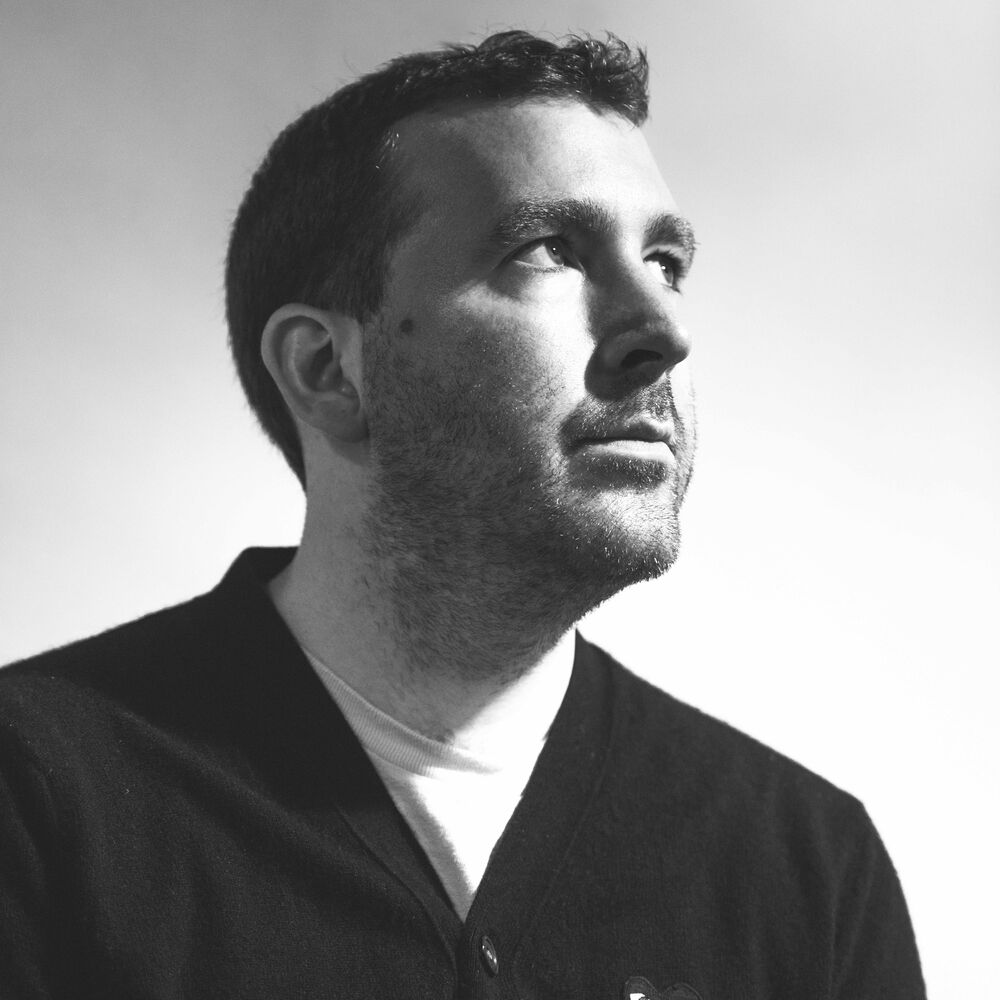
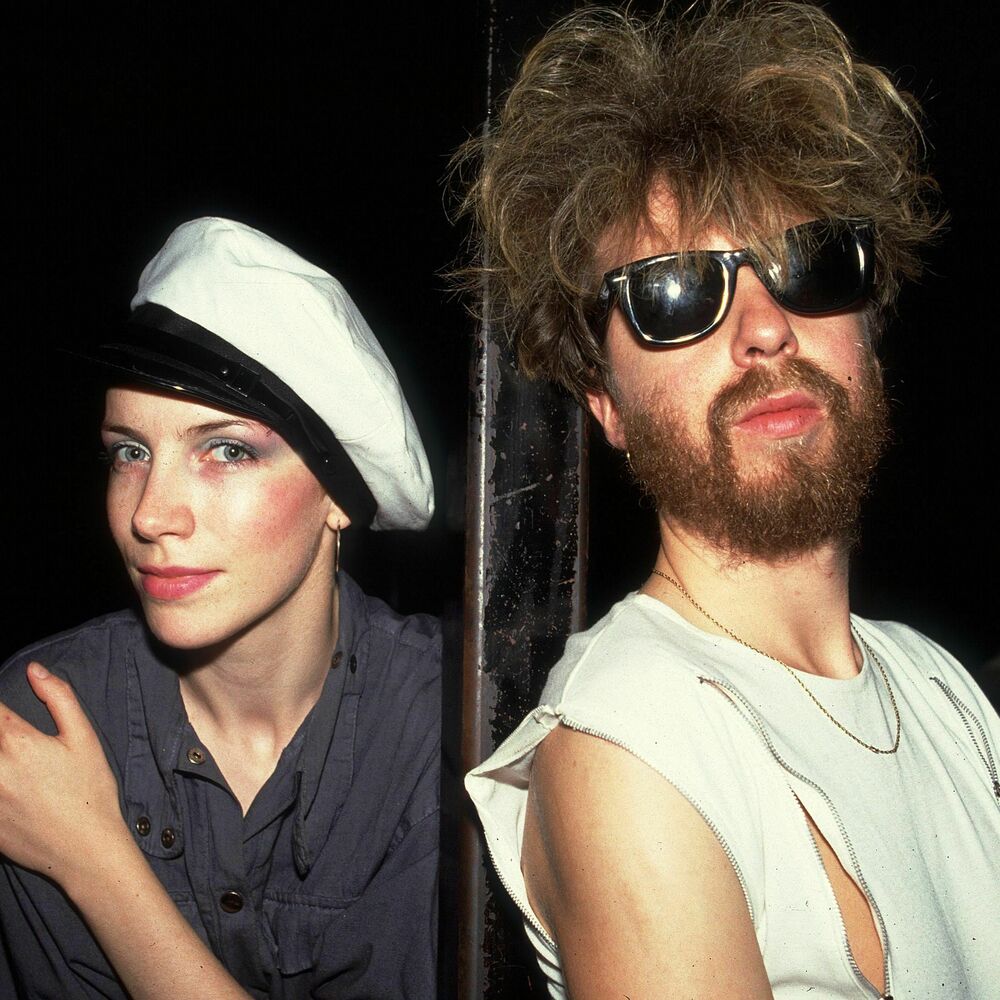
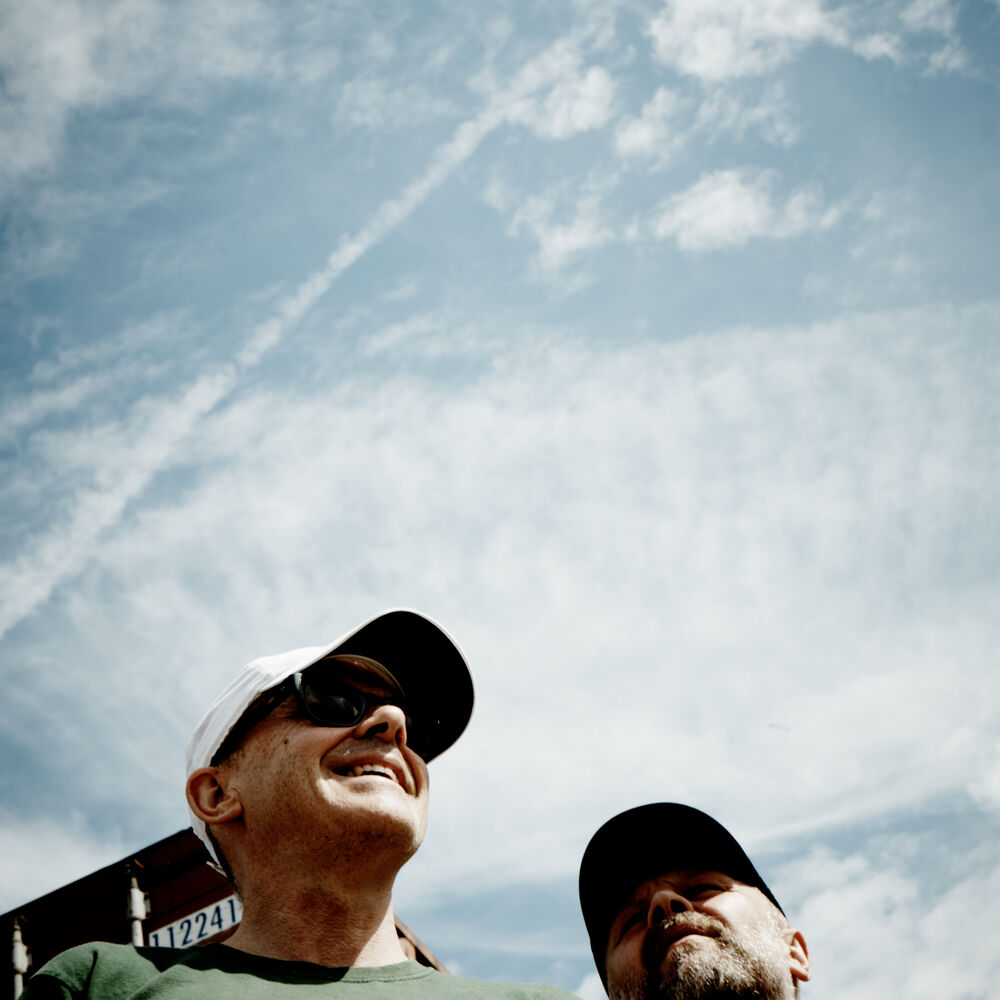
Leftfield is a groundbreaking British electronic music group formed in London in 1989. The duo, comprised of Neil Barnes and, initially, Paul Daley, is celebrated for crafting a dense, immersive sound that helped define the UK's progressive house and electronica scene in the 1990s.
Early career
Neil Barnes began the Leftfield project after the dissolution of his previous band, the political funk outfit A Man Called Adam. He linked up with DJ and programmer Paul Daley in 1990, and their early 12" singles on the Rhythm King label, like Not Forgotten and More Than I Know, immediately signaled a new, deeper direction for dance music. These tracks fused dub basslines, house rhythms, and atmospheric textures, setting the template for their influential sound.
Breakthrough
The duo's monumental debut album, Leftism, arrived in January 1995 on Columbia Records. It was a landmark release that successfully integrated guest vocalists from across the musical spectrum, including John Lydon of the Sex Pistols and Toni Halliday of Curve, into a cohesive and powerful electronic framework. The album was critically hailed, reached number 3 on the UK Albums Chart, and was later nominated for the Mercury Prize, achieving platinum certification in the UK.
Key tracks
Open Up - This explosive collaboration with John Lydon became an instant anthem, merging aggressive techno with punk attitude.
Original - A definitive progressive house track featuring the reggae vocals of Earl Sixteen, showcasing Leftfield's mastery of dub-influenced grooves.
Afro-Left - A collaboration with Djum Djum showcased the duo's ability to weave complex African percussion into their electronic tapestry.
Release the Pressure - The opening track from Leftism, featuring Earl Sixteen, set the album's tone with its deep, atmospheric dub and socially conscious lyrics.
Phat Planet - Known widely as the soundtrack to a famous Guinness television advertisement, this instrumental from their second album became a cultural touchstone.
Following the success of Leftism, Leftfield released their second album, Rhythm and Stealth, in 1999. It debuted at number one on the UK Albums Chart and earned another Mercury Prize nomination, featuring collaborations with Roots Manuva and Afrika Bambaataa. The duo became known for their immense, speaker-testing live shows before going on hiatus in 2002 after Daley's departure. Neil Barnes revived the Leftfield name in 2010, releasing the album Alternative Light Source in 2015 and continuing to tour their influential back catalog.
Fans of Leftfield's pioneering, bass-heavy electronic sound also explore the work of Underworld for their anthemic, long-form dance epics. The Chemical Brothers share a similar big-beat bombast and stadium-filling electronic production. The dub-inflected techno of Orbital offers another parallel from the same fertile UK era. For a deeper dive into the trip-hop side of their influence, Massive Attack provides a darker, more vocal-led counterpart.
The innovative music of Leftfield remains a staple on electronic and alternative music radio stations, frequently featured in sets that explore the roots of progressive house and electronica. Their tracks provide a foundational sound for programs dedicated to 1990s dance culture and forward-thinking electronic composition.
Listeners can experience the powerful sonic legacy of Leftfield by tuning into the electronic music stations featured on our platform, where their genre-defining albums and classic singles are regularly broadcast.