Apple Phenotyping: The Tools Every Orchardist Needs
In Episode 424 of Cider Chat, we dive deeper into the intricate world of apple identification, this time focusing on apple phenotyping — the art and science of describing apples by their physical characteristics. This is Part 3 of the three part series on John Bunker, renowned author, apple detective, and founder of FEDCO Trees. Expect a master class and experiential lesson as he shares his extensive experience and provides a valuable toolbox of techniques that for apple fans, cider makers and orchardist.
What is Phenotyping?
Apple phenotyping refers to the process of identifying and describing apples by their observable physical traits, such as size, shape, color, and texture. These characteristics, known as phenotypes, help orchardists distinguish between different apple cultivars. While apples may be genetically identical, they can exhibit slight variations based on their environment, making phenotyping a key skill for identifying and preserving apple varieties.
Why is Apple Phenotyping Important?
Phenotyping is more than just a way to describe apples; it's a critical method for orchard care, especially for those looking to preserve historic and rare apple varieties. John emphasizes that understanding the nuances of the apples you grow allows you to ensure that your orchard is correctly labeled and organized. This attention to detail not only improves the quality of your cider apples but also helps preserve the legacy of historic cultivars.
Phenotyping also allows orchardists to confirm apple identities in cases where DNA testing isn't readily accessible or when historical records are incomplete. Whether you're comparing apples from different orchards or identifying a lost variety, having a reliable set of phenotyping techniques in your toolbox is essential.
Watch this entire presentation at Cider Chat YouTube
The Orchardist's Toolbox: Key Techniques for Phenotyping
John encourages orchardists to keep a thorough record of the apples they grow, noting characteristics such as:
Size and Shape: Measure the diameter of the apple and observe its overall shape (e.g., round, oblate, or conic).
Color and Skin: Note the ground color (the apple's underlying color) and any blushes, stripes, or russeting that appear on the skin.
Stem and Cavity: Examine the length and thickness of the stem, as well as the depth and width of the cavity where the stem attaches.
Calyx and Basin: Check whether the calyx (the dried flower at the apple's base) is open or closed, and assess the depth and shape of the basin around it.
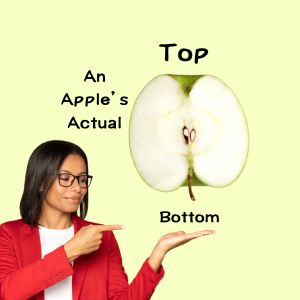
Core and Seeds: Cut the apple open to analyze the core's shape, size, and location, as well as the number and appearance of seeds.
These observations not only help you identify your apples but also provide insights into the health of your orchard and the quality of your cider apples.
To see John Bunker's full slideshow presentation on phenotyping apples and learn even more about his techniques, be sure to subscribe to the Cider Chat YouTube Channel. This episode is packed with invaluable knowledge for anyone looking to refine their skills in orchard care and apple identification.
There’s a whole world in a glass of cider, and Cider Chat is your invitation to explore it. Hosted by award-winning cidermaker and writer Ria Windcaller, this podcast travels far beyond the bottle to meet the people who make the global cider culture so vibrant. Each conversation is a journey-you might find yourself in a heritage orchard learning the history of forgotten apple varieties, in a bustling taproom with an importer explaining regional traditions, or in a kitchen with a chef pairing cider with unexpected foods. The discussions get into the delightful nuances, too, whether that’s the semantics of what we even call this drink or how the concept of terroir translates from soil to sip. It’s not just about production; it’s about the community, the travel, and the stories that fermentation unlocks. This is for anyone curious about the craft, history, and sheer enjoyment of fermented apple juice in all its forms. So, pour a glass and settle in for a series that feels like a wide-ranging, informative, and genuinely good-humored chat with friends who happen to be obsessed with cider. You’ll come away with a deeper appreciation for every effervescent, tart, or sweet sip, hearing directly from the growers, makers, and enthusiasts who are shaping this drink’s exciting present and future.
In 1996 Bellwether Hard Cider and Wine Cellars opened for business in a repurposed chicken hatchery in upper New York state in the Finger Lakes regions surrounding Lake Cayuga. Now in its 23rd year of business, this fami…
Gregory M. Peck of the School of Integrative Plant Science, College of Agriculture and Life Sciences at Cornell University in Ithaca, New York is the featured guest on episode 198. Greg in Peck lab Greg's chat begins at…
Top 5 Picks for Franklin County CiderDays Franklin County CiderDays takes place on the first weekend of November every year as it has been for the past 25 years. Yes, this November 1-3, 2019 is the 25th Annual and the nu…
Audio snap shots of the cider region of Cayuga Lake, a 38 mile long lake located in the Finger Lakes region of New York state. CiderweekFLX took place September 27- October 6, 2019. This region has: 10 cider producer sur…
Look close into the label and you will see, words of wisdom, fun and glee! ...There are no surprises, just a straight up fact - this cider contains - 0% Shit Episode 195 features a chat with John Michael Leslie Edwards,…
Episode 194: The Reason for Being | Ross on Wye Cider & Perry, UK Mike Johnson grew up on Broome Farm picking up apples with his grandmother, in the rural country known as Herefordshire in the United Kingdom. Thirty Five…
A Museum for Cider, Cider Mythology of May Hill and Cider Loving Fans are all featured in this episode. This is the third episode of Cider Chat featuring my trip to the United Kingdom. Go to episode 192: London Got Cider…
Kate and Toby Lovell are raising Shropshire Sheep and Friesian Sheep at Handcocks Meadow Farm The Shropshire Sheep don't debark trees which make them excellent for use in orchards. They also have a flock of Friesian Shee…
Here is the first dispatch from the United Kingdom, specifically London where my journey began. "The Talking Pommes" (The Medlars, Mr. Quince, Perry Pear) and I arrived at Heathrow and went our separate ways. The Pommes…
In 1968, Carol B. Hillman bought a colonial era estate that overlooked the Quabbin Reservoir, Boston's water source, in New Salem, Massachusetts. Originally attracted to the home onsite which is a classic colonial style…