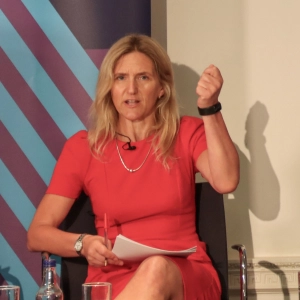
How does the electoral system need to change before 2029?

How does the electoral system need to change before 2029?

Author: Institute for Government May 19, 2025 Duration: 1:04:47
Labour’s 2024 manifesto set out a number of big changes aimed at strengthening democratic participation, such as improving voter registration, addressing inconsistencies in voter ID rules and extending the franchise to 16 and 17 year olds. Twenty-five years after the introduction of the UK’s political finance regime, and a billion pounds of donations later, the manifesto also committed to “strengthening the rules around donations to political parties” – something that has become more pressing as high-profile actors flirt with introducing significant sums of money into the UK’s party funding system. So what difference would these proposed changes make to the UK electoral system? Can they reignite voter confidence and engagement in the democratic process? What are the lessons learnt from the 2024 general election about turnout, the voter ID requirement, and candidate abuse and intimidation? And what should the government prioritise to ensure the electoral system is ready for the next general election in 2029 and able to address growing threats? To reflect on last summer’s election and to discuss how the government’s plans will affect the way elections work, we were joined by an expert panel: Lewis Baston, Political journalist and author Matteo Bergamini, Founder and CEO of Shout Out UK Professor Jane Green, Co-Director of the British Election Study John Pullinger, Chair of the Electoral Commission The event was chaired by Dr Hannah White, Director and CEO of the Institute for Government.

Ever wondered what really happens behind the doors of Whitehall? Institute for Government pulls up a chair at the table where policy is made and governance gets tested. This isn't about partisan politics or headlines; it's a deeper, more practical conversation about how the machinery of the UK government actually works-or sometimes, why it doesn't. Each episode brings you the experts from the Institute itself, along with senior civil servants, ministers, and analysts, for frank discussions that dissect the challenges of running a country. You'll hear specific case studies, analysis of major events as they unfold, and explorations of long-term issues like public service reform or the complexities of Brexit implementation. The goal is to move beyond theory and into the tangible details of effectiveness and accountability. Tuning into this podcast feels like gaining access to a privileged briefing, one that demystifies the processes that shape daily life. It’s for anyone curious about the structures of power, the art of the possible in policy, and the ongoing effort to improve how the nation is governed. Expect thoughtful, evidence-based dialogue that cuts through the noise to examine the levers of statecraft.

Author: Language: English Episodes: 100

Institute for Government
Podcast Episodes
A state rewired? Civil service size, shape, and turnover [not-audio_url] [/not-audio_url]

Duration: 46:02
Our first webinar in a three-part series focused on the findings of Whitehall Monitor 2026. The first Whitehall Monitor webinar – kicking off a three-part series exploring the IfG’s annual flagship report on the civil se…
In conversation with Rhun ap Iorwerth MS, Leader of Plaid Cymru [not-audio_url] [/not-audio_url]

Duration: 1:05:01
This event took place two months before the people of Wales cast their votes in the seventh election to Senedd Cymru (the Welsh parliament) since it was established in 1999. The polls suggest that Plaid is on track to ov…
How can the government make a success of the abolition of NHS England? [not-audio_url] [/not-audio_url]

Duration: 59:42
On 13 March 2025, Keir Starmer announced the abolition of NHS England, the arm’s-length body responsible for overseeing, planning, funding and delivering the health service – with its functions to be merged back into the…