IfG DevoLab #3: How devolution can improve transport connectivity

IfG DevoLab #3: How devolution can improve transport connectivity

Author: Institute for Government November 10, 2025 Duration: 1:32:53
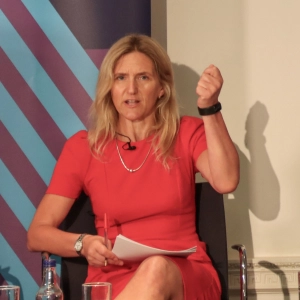
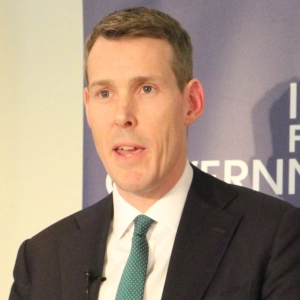
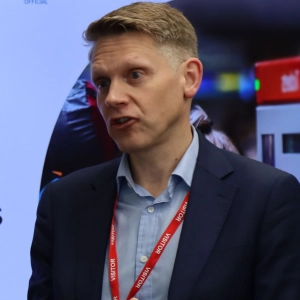
The IfG DevoLab is a new initiative from the Institute for Government dedicated to exploring the innovations enabled by devolution, learning from the results, and sharing the lessons so that places can take better decisions about how to use devolved powers and budgets. On 6 November, the IfG hosted its third IfG DevoLab event in Leeds, at which speakers from three regions set out how the powers and profile of mayors are being used to improve transport connectivity within and between their regions. The three case studies presented at IfG DevoLab #3 were: ‘Improving transport connectivity in West Yorkshire’, by Councillor Susan Hinchcliffe, Leader of Bradford City Council and Chair of the West Yorkshire Transport Committee ‘Connecting Liverpool City Region through Merseyrail’, by Huw Jenkins, Lead Officer - Transport Policy at Liverpool City Region Combined Authority ‘Mayoral partnerships with Great British Railways’ by Richard Crabtree, Head of Mayoral Partnerships at Shadow Great British Railways The three speakers were joined by Tom Bridges, UK Government Business Leader at Arup, for a broader discussion of how devolution can improve transport connectivity, how the government can support innovation and learning, and whether there is a case for further devolution in this area. This event was chaired by Jill Rutter, Senior Fellow at the Institute for Government. Insights from this discussion will inform a published policy briefing containing the three case studies and a synthesis of key lessons. We would like to thank Arup for kindly supporting this event. We are also grateful to our strategic partner L&G for its wider support of the IfG DevoLab series.

Ever wondered what really happens behind the doors of Whitehall? Institute for Government pulls up a chair at the table where policy is made and governance gets tested. This isn't about partisan politics or headlines; it's a deeper, more practical conversation about how the machinery of the UK government actually works-or sometimes, why it doesn't. Each episode brings you the experts from the Institute itself, along with senior civil servants, ministers, and analysts, for frank discussions that dissect the challenges of running a country. You'll hear specific case studies, analysis of major events as they unfold, and explorations of long-term issues like public service reform or the complexities of Brexit implementation. The goal is to move beyond theory and into the tangible details of effectiveness and accountability. Tuning into this podcast feels like gaining access to a privileged briefing, one that demystifies the processes that shape daily life. It’s for anyone curious about the structures of power, the art of the possible in policy, and the ongoing effort to improve how the nation is governed. Expect thoughtful, evidence-based dialogue that cuts through the noise to examine the levers of statecraft.

Author: Language: English Episodes: 100

Institute for Government
Podcast Episodes
A state rewired? Civil service size, shape, and turnover [not-audio_url] [/not-audio_url]

Duration: 46:02
Our first webinar in a three-part series focused on the findings of Whitehall Monitor 2026. The first Whitehall Monitor webinar – kicking off a three-part series exploring the IfG’s annual flagship report on the civil se…
In conversation with Rhun ap Iorwerth MS, Leader of Plaid Cymru [not-audio_url] [/not-audio_url]

Duration: 1:05:01
This event took place two months before the people of Wales cast their votes in the seventh election to Senedd Cymru (the Welsh parliament) since it was established in 1999. The polls suggest that Plaid is on track to ov…
How can the government make a success of the abolition of NHS England? [not-audio_url] [/not-audio_url]

Duration: 59:42
On 13 March 2025, Keir Starmer announced the abolition of NHS England, the arm’s-length body responsible for overseeing, planning, funding and delivering the health service – with its functions to be merged back into the…