How does food affect our brain?

How does food affect our brain?

Author: MHNR Network, LLC June 1, 2017 Duration: 41:22
Stories covered this week include:

Access to Mental Health Services Key to Reducing Youth Suicide Rates

According to research from the National Alliance on Mental Illness, at least one in five teenagers will experience a mental health condition in their lifetime. Suicide is now the second leading cause of death for young people ages 10 to 24. 

Advocates in Buffalo Public Schools (BPS) say a 2015 survey showed 13 percent of high schoolers and 16 percent of middle schoolers have seriously considered suicide. Social workers who counsel BPS students say parents need to be more proactive and talk to their children about how they're feeling. 

Golfer Tiger Woods says prescription medication led to DUI arrest in Jupiter

Golfer Tiger Woods was found asleep at the wheel, had to be awakened and was charged with driving under the influence early Monday morning in Jupiter, according to police. Woods said later in a written statement that prescribed medications contributed to the arrest.


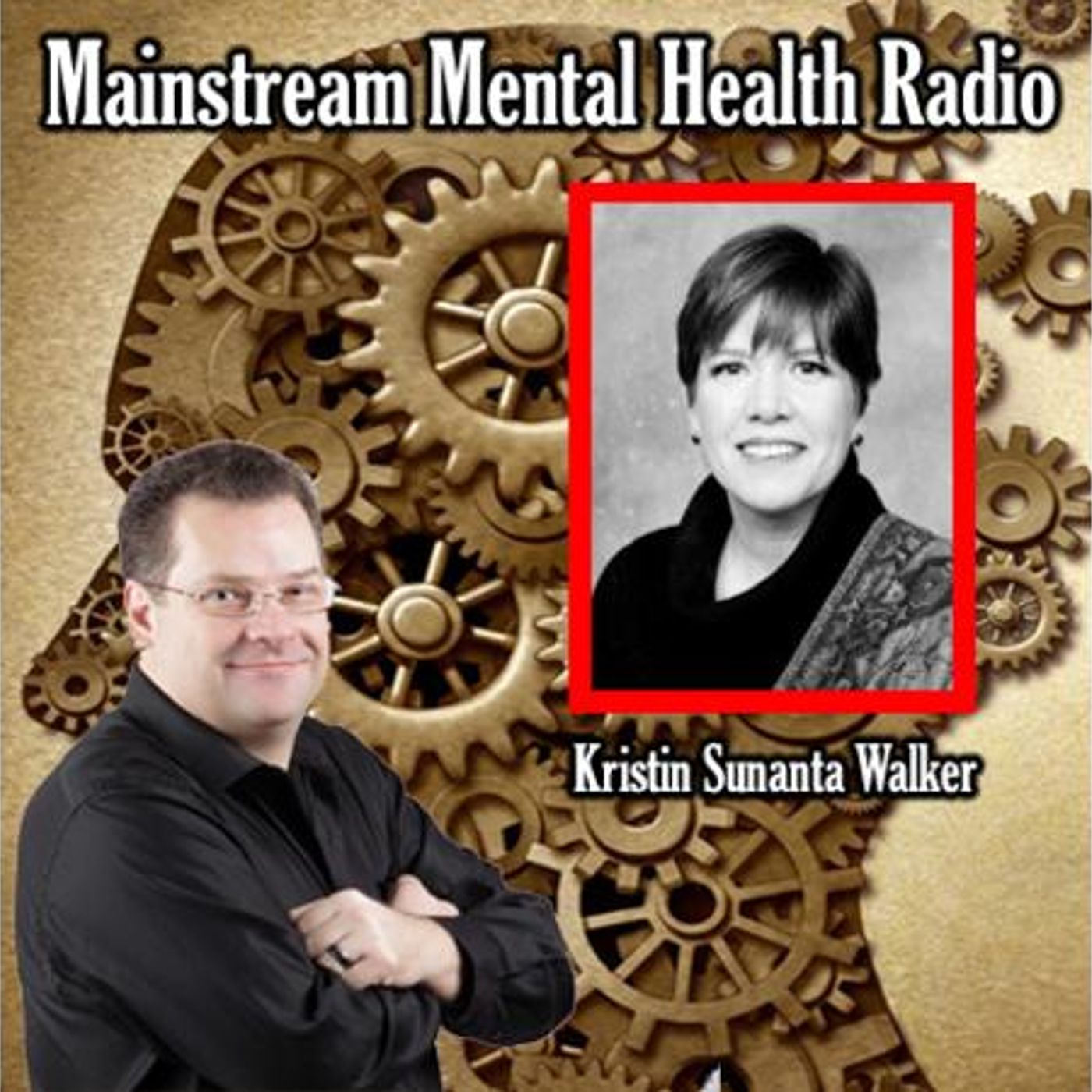
GUEST: Gary L. Wenk Ph.D

How does food affect our brain? Almost everything you choose to consume will directly or indirectly affect your brain. Obviously, some things we consume affect us more than others. I'm going to assume that spices, plants, animal parts, drugs of any kind, coffee, tea, nicotine and chocolate are all just food and define food as anything we take into our bodies whether it's nutritious or not.

Each week, Mainstream Mental Health connects the dots between the psychology headlines in the news and the practical steps we can take in our own lives. Host Dr. John Huber, a Clinical Forensic Psychologist with over two decades of direct experience, goes beyond simply summarizing current events. He provides a grounded analysis of how these stories reflect broader societal trends in mental health, medicine, and even fitness, exploring the real-world implications of the research and controversies making waves. This isn't just commentary from the sidelines; Dr. Huber is an active practitioner with hospital privileges, bringing a working clinician's perspective to every discussion. The conversations in this podcast are designed to translate complex topics into understandable insight, offering actionable advice for listeners seeking to make tangible, positive changes. You'll find a clear-eyed look at the forces shaping our collective well-being, dissected with both professional expertise and a relatable tone. Tune in for a thoughtful blend of news analysis and life strategy, all focused on navigating the complexities of modern mental health. The Mainstream Mental Health podcast, from MHNR Network, LLC, makes the science and stories of psychology accessible and immediately relevant.
Author: Language: English Episodes: 180

Mainstream Mental Health
Podcast Episodes
Featured Guest Joanna Dodd Massey, Ph.D., MBA [not-audio_url] [/not-audio_url]

Duration: 24:38
Let's first look at what's happening:For the first time ever, we have five generations in the workplace. People are living longer and working longer, so we have workers as young as 18 and as old as 80s. There is a big di…
Rich Dad Poor Dad Author Robert Kiyosaki [not-audio_url] [/not-audio_url]

Duration: 29:13
Best known as the author of Rich Dad Poor Dad―the #1 personal finance book of all time―Robert Kiyosaki has challenged and changed the way tens of millions of people around the world think about money. He is an entreprene…
Why Shorter Days & Less Sunlight Can Lead To Depression [not-audio_url] [/not-audio_url]

Duration: 22:31
Why Shorter Days & Less Sunlight Can Lead To Depression •With the end of Daylight Saving Time comes an extra hour of sleep and, sometimes, a bout with depression. The Mayo Clinic defines seasonal depression or Seasonal A…
Mental Health Perspectives: The Decline of Critical Thinking Skills [not-audio_url] [/not-audio_url]

Duration: 35:26
Unfortunately, the reported decline in thinking ability is occurring at a time when there are increasing shortages of quali­fied candidates for jobs in science, technology, engineering, and mathematics (STEM). Indeed, a…
Almost 70% Of Americans Believe Civil War Is Imminent [not-audio_url] [/not-audio_url]

Duration: 21:34
Almost 70% Of Americans Believe Civil War Is Imminent The political discourse — or lack of it — has apparently become so caustic in the United States that 67% of those surveyed in a poll released Wednesday believe anothe…